Berlin’s support focuses heavily on air defense and emerging technologies. Germany has supplied Patriot and IRIS-T air defense systems, repaired PAC-2 missiles, and facilitated the procurement of PAC-3 interceptors. Additionally, Germany contributed 20 million euros ($21.9 million) to a fund for developing drones to intercept jet-powered Shahed drones. Under the “Build with Ukraine” initiative, Germany and Ukraine have launched five joint manufacturing projects worth 1.1 billion euros ($1.2 billion) to produce Ukrainian-designed drones and ground robots in Germany. The two nations are also exploring the manufacture of German Leopard tanks and Marder infantry fighting vehicles in Ukraine.
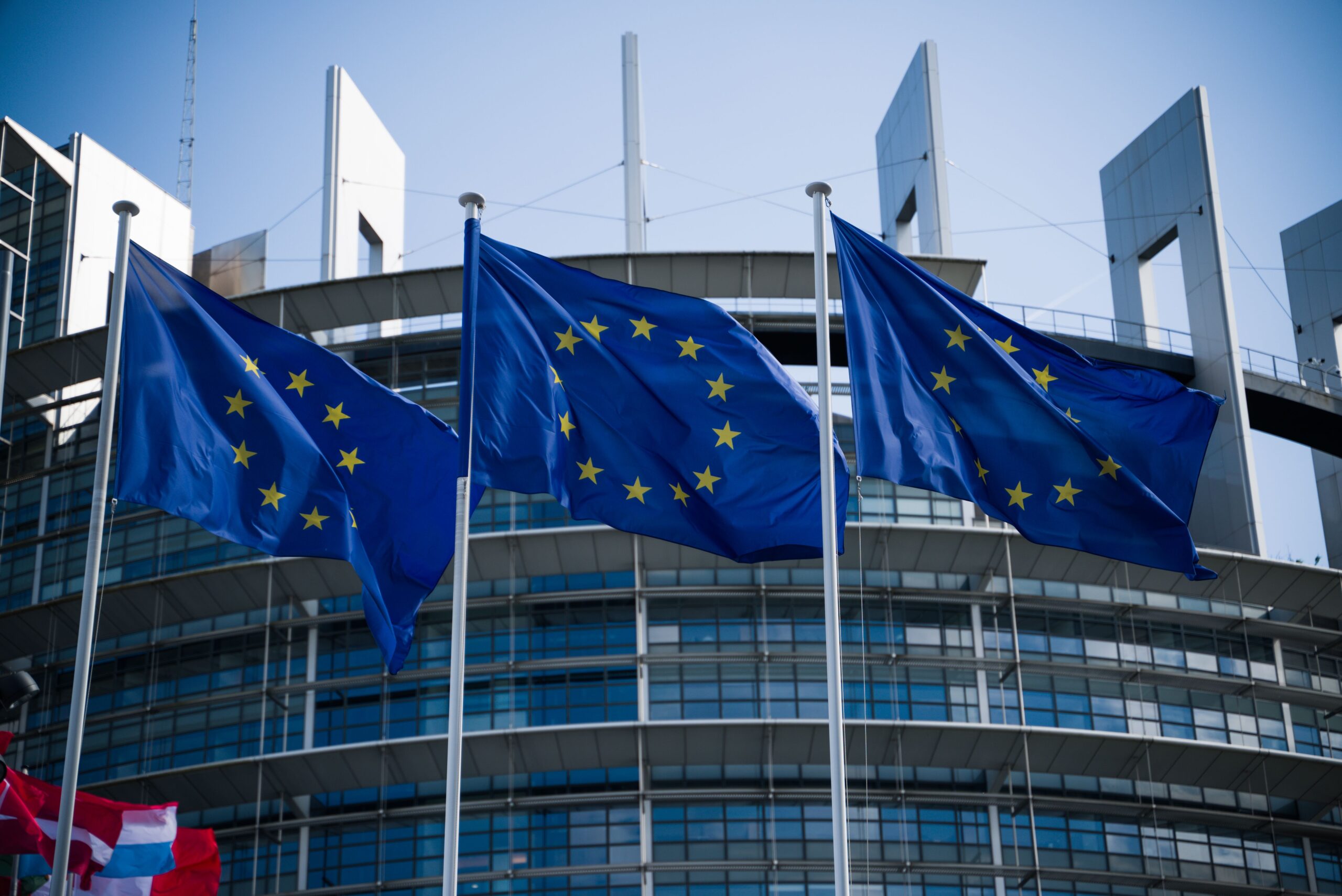
European support is expanding through multilateral mechanisms. On Friday, the Council of the European Union approved an additional 1 billion euros ($1.1 billion) in military assistance for Ukraine. This funding covers joint purchases of drones, air defense equipment, ammunition, electronic warfare systems, and radar. Deliveries under this package are scheduled for completion by the end of 2027. This decision brings total EU support through the European Peace Facility (EPF) to 11.8 billion euros ($13 billion), implementing part of a broader 6.6 billion euro ($7.2 billion) agreement reached by member states in September.
Norway has also significantly scaled its commitment, setting aside 7 billion dollars in military aid for Ukraine in 2027, matching its 2026 contribution. Ukraine’s Ministry of Defence stated that Norway is the largest contributor to the Prioritised Ukraine Requirements List (PURL), having funded Patriot missiles and other air defense equipment. Norway has supplied one F-16 fighter jet, which is currently flying missions to defend Ukrainian airspace, and is working with Germany to integrate IRIS-T systems into the NASAMS air defense platform. Ukrainian officials have requested that most of the 2027 Norwegian aid be directed toward drone production, with air defense and electronic warfare also identified as priorities.
Germany leads three of the eight multinational coalitions supporting Ukraine’s armed forces, including the Integrated Air and Missile Defense Coalition. These groups coordinate equipment procurement and maintenance among partner nations. Under a 10-year security agreement signed in February 2024, Ukrainian instructors are helping train German military personnel, and both countries share battlefield data on equipment performance. The next phase of this cooperation involves Germany gaining access to Ukraine’s DELTA battlefield system, a move intended to deepen operational integration between the two militaries.