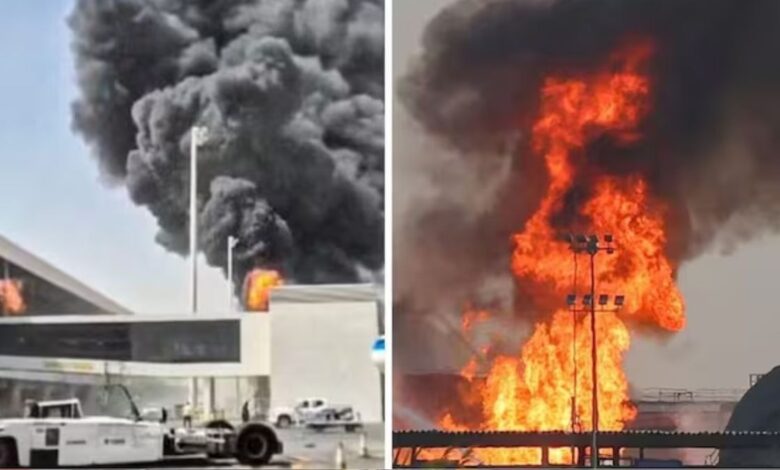
The Saudi air campaign was executed in response to an attack on a Saudi oil refinery located in the country’s south-west. On the same day as the Yemeni airstrikes, the Saudi Ministry of Energy confirmed that a Nepali employee had been killed in the refinery strike. This incident is part of a broader pattern in which Houthi forces have targeted Saudi energy infrastructure following the intensification of hostilities. The refinery, situated in the Jazan region, has previously been a target for Houthi attacks, underscoring the strategic vulnerability of Saudi energy assets to cross-border strikes.
Houthi spokesperson Mohsen Al-Ahwaari attributed the recent aerial bombardment in Yemen to Saudi Arabia, framing the strikes as part of the ongoing combat between the rebels and Saudi-backed government forces. According to Al-Ahwaari, multiple air raids in the Taiz province resulted in the death of four individuals, including one child. While these casualty figures are stated by the Houthi spokesperson, independent verification of the specific toll in Taiz remains limited in the immediate reporting.
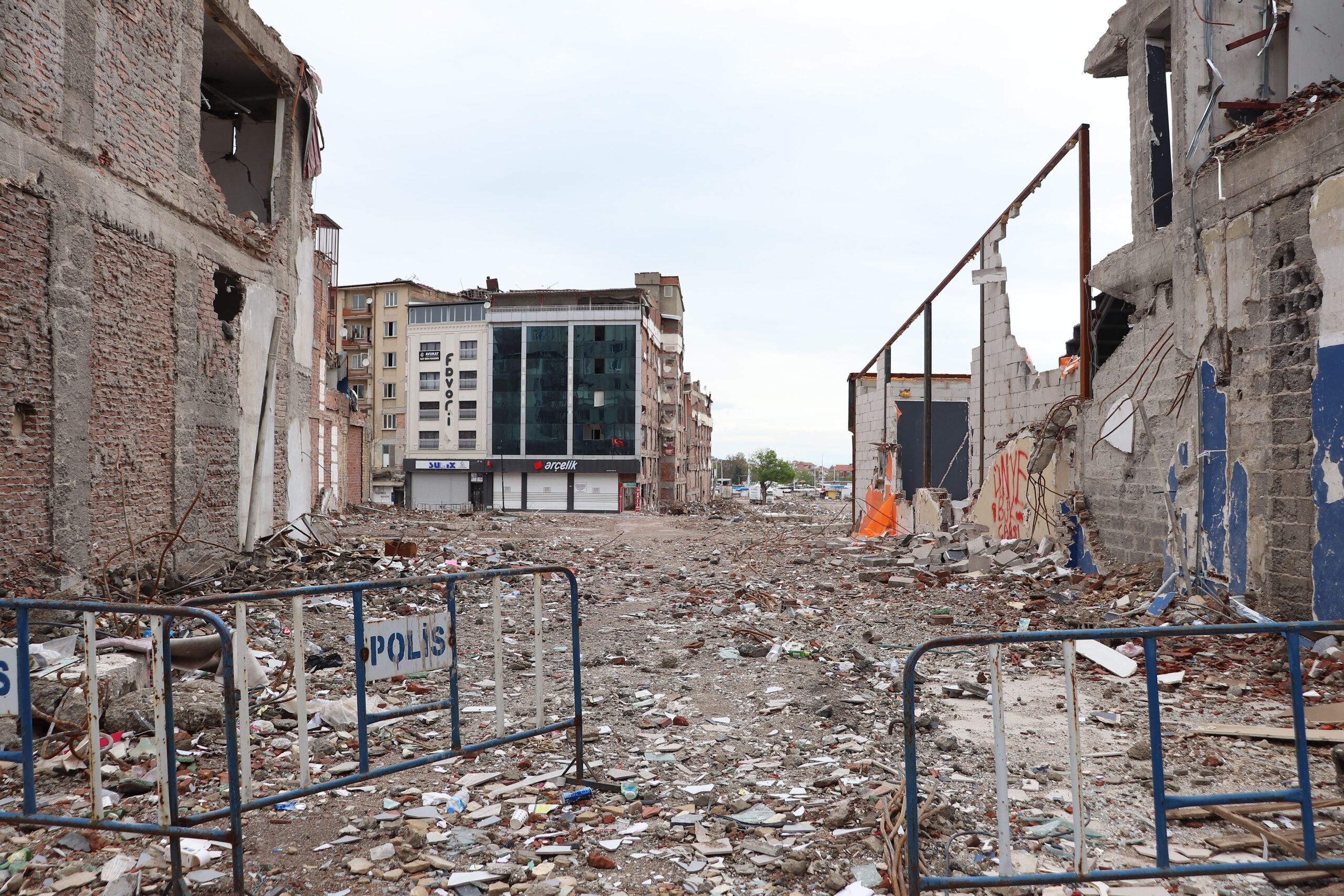
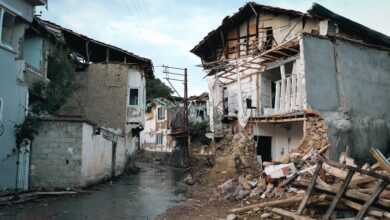
In the capital, Sanaa, which remains under Houthi control, residents in rebel-held districts reported hearing explosions during the night. Local civilians described the recurring nature of these incidents, noting the psychological and health impacts on children. One resident stated, “We have to endure these sounds from time to time. It also affects the health of our children.” These accounts provide a civilian perspective on the operational impact of the Saudi air campaign, though they do not offer specific details on the nature or extent of the damage to infrastructure or military assets within the capital.
The current surge in activity represents a tactical and operational escalation in a conflict that has seen years of intermittent fighting. The simultaneous occurrence of a Houthi strike on Saudi soil and a Saudi air campaign in Yemen suggests a direct retaliatory dynamic. The targeting of the Jazan refinery indicates that Houthi capabilities are being used to impose costs on Saudi economic infrastructure, while the Saudi response focuses on degrading Houthi positions in key urban and provincial centers.
Strategically, this exchange highlights the entrenched deadlock in the Yemeni conflict. The Saudi-backed government forces continue to rely on air superiority to contest Houthi-held territory, while the Houthis leverage asymmetric attacks on Saudi infrastructure to maintain pressure. The involvement of civilian casualties, particularly the reported death of a child in Taiz and the Nepali worker in Saudi Arabia, underscores the humanitarian consequences of the conflict for both belligerents and third-party nationals.
The distinction between the confirmed death of the Nepali employee in Saudi Arabia and the Houthi-reported casualties in Taiz is critical for understanding the current state of the war. The Saudi Ministry of Energy’s confirmation provides a verified data point for the cross-border attack, whereas the Houthi casualty claims in Yemen remain unilateral assertions pending independent verification. The location of the strikes—spanning from the capital Sanaa to the southern province of Taiz—indicates a broad operational reach by the Saudi air force, targeting multiple Houthi strongholds simultaneously.
As the conflict enters this new phase of intensified exchange, the focus remains on the sustainability of Houthi attacks on Saudi energy infrastructure and the effectiveness of Saudi air power in neutralizing rebel positions. The next developments will likely hinge on whether the Houthi group can sustain its campaign against Saudi refineries and whether the Saudi air campaign achieves its stated objectives of degrading Houthi military capabilities in Yemen.