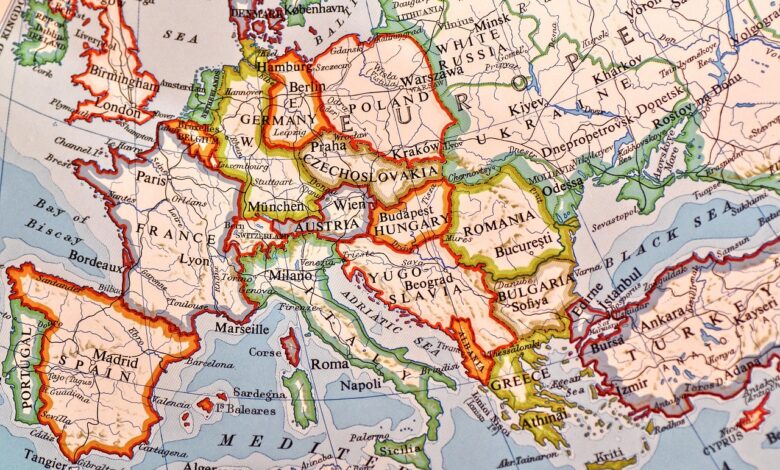
The strategic significance of these figures lies in their cumulative effect on Russian military capacity. As of November 12, 2026, Ukraine’s military estimates that total Russian personnel losses since the launch of the full-scale invasion on February 24, 2022, have reached approximately 1,616,330. The General Staff notes that in October alone, Russia lost more than 54,000 military personnel. This monthly average, when compared to the daily loss of 2,150, suggests a consistent and heavy drain on Moscow’s manpower reserves. The data underscores a shift in the conflict’s dynamics, where the sheer volume of losses is depleting Russia’s ability to replace and sustain its forces at the current rate of attrition.
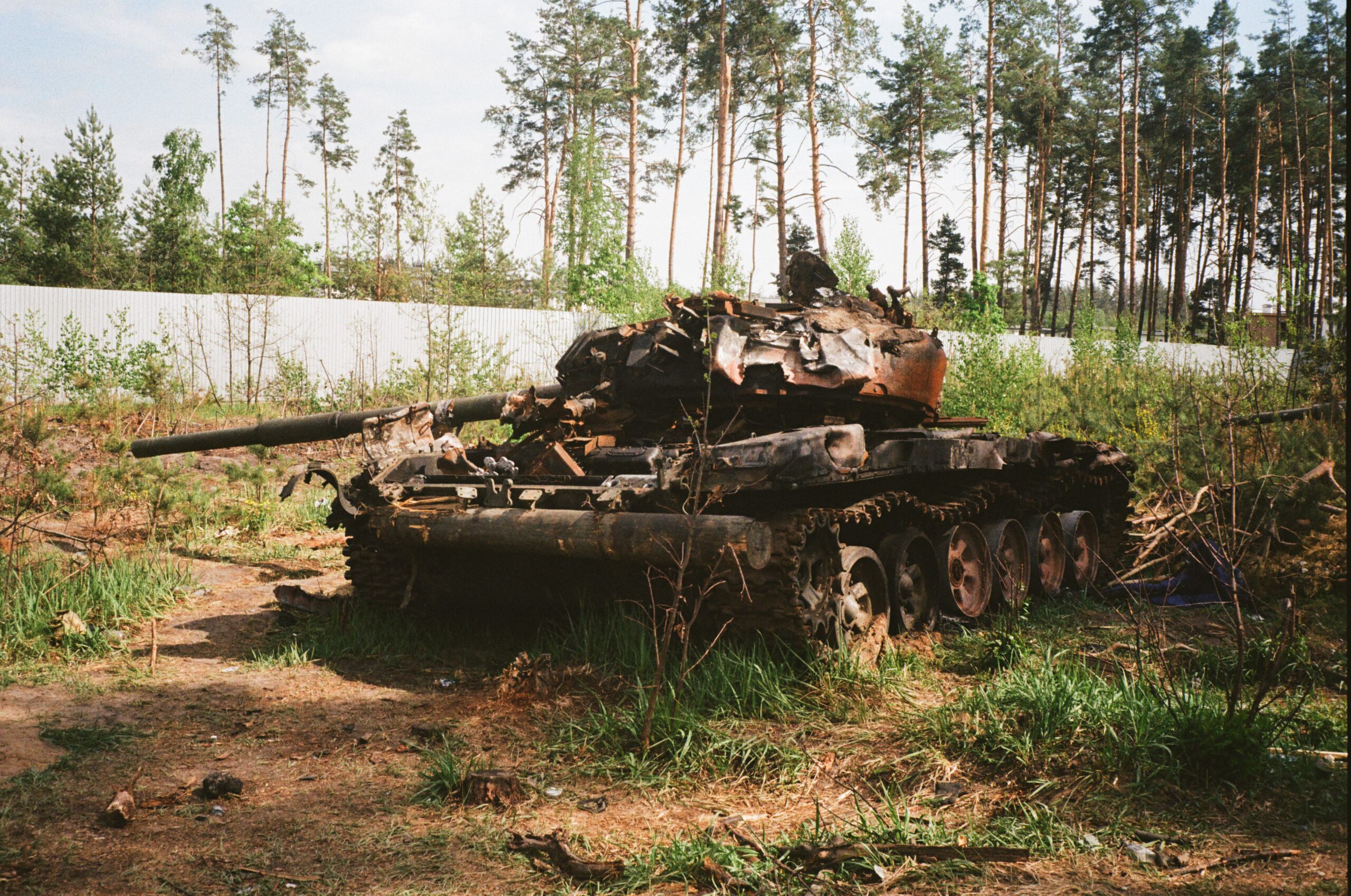
Beyond personnel, the material losses reported in the November 12 assessment reveal vulnerabilities in Russia’s air and artillery capabilities. The loss of over 1,000 UAVs in a single day highlights the escalating role of unmanned systems in modern warfare and the intense counter-drone efforts by Ukrainian forces. Cumulatively, Ukraine reports that Russia has lost 605,923 operational-tactical drones and 3,130 ground robotic systems since February 2022. In terms of heavy equipment, the daily report includes the loss of three tanks, 14 armored fighting vehicles, and three multiple-launch rocket systems. Over the course of the war, the General Staff estimates Russian losses at 12,471 tanks, 25,720 armored fighting vehicles, and 52,278 artillery systems. These figures suggest that while Russia continues to deploy significant hardware, a substantial portion is being destroyed or captured, impacting its logistical and operational flexibility.
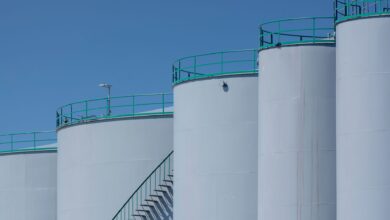
Concurrently with the front-line engagements, Ukrainian forces have intensified strikes on Russian energy infrastructure, targeting assets far from the border. On November 12, Ukraine reported striking the Ust-Luga port and oil infrastructure in Russia’s Leningrad region, specifically targeting facilities at the Novatek terminal. The attack reportedly damaged storage tanks, triggered a large-scale fire, and caused an oil spill. Additionally, Ukrainian forces attacked the Omsk Oil Refinery, Russia’s largest oil refinery, for more than two hours. The facility, owned by Gazprom Neft and located approximately 2,500 kilometers from Ukraine, has a designed processing capacity of over 21 million metric tons of oil annually. The strikes resulted in continuous explosions and a massive fire. These operations indicate a strategic effort to degrade Russia’s economic war-making capacity by targeting its fuel and energy supply chains, which are critical for sustaining military logistics.
The logistical implications of these combined losses are significant. Ukraine’s military estimates that Russia has lost 173,838 vehicles and fuel tankers, along with 4,899 units of specialized equipment, since the start of the war. The loss of nearly 140 heavy thermobaric rocket launcher systems, which exceeds estimates of Russia’s entire prewar fleet for this specific type of weapon, further illustrates the depletion of specialized assets. While Russia has the industrial capacity to produce new equipment, the rate of loss, particularly in personnel and complex systems like air defense and artillery, poses a growing challenge to its military readiness. The General Staff also reports that Russia has lost 1,756 air defense systems, 452 aircraft, and 356 helicopters, suggesting a weakening of air superiority and protection for ground forces.
It is important to note that these figures are estimates provided by Ukraine’s General Staff. While widely monitored and reported by international media, independent verification of specific daily casualty numbers in active conflict zones is inherently difficult. However, the consistency of the data over time, along with supporting evidence from satellite imagery and open-source intelligence regarding infrastructure damage, lends credibility to the broader trends indicated by the assessments. The distinction between official military claims and independent verification remains a critical consideration in analyzing the conflict’s progression.
The human consequence of these statistics is profound, though individual stories are often obscured by the scale of the numbers. The loss of over 1.6 million personnel represents a massive demographic and social impact on Russia, with families across the country affected by the war. For Ukraine, the continued ability to inflict these losses is a key objective, aiming to weaken Russia’s will and capacity to continue the conflict. The integration of high-intensity front-line combat with deep-strike operations against economic infrastructure reflects a comprehensive strategy to apply pressure on multiple fronts simultaneously.
As the conflict enters its fifth year, the data from November 12, 2026, serves as a snapshot of a war characterized by sustained attrition and expanding strategic targets. The next confirmed development will likely involve continued Ukrainian operations against Russian fuel and energy facilities, as well as ongoing efforts to maintain pressure on Russian forces along the front line. The ongoing depletion of Russian military resources, both in personnel and equipment, remains a central factor in the broader strategic balance of the conflict.