
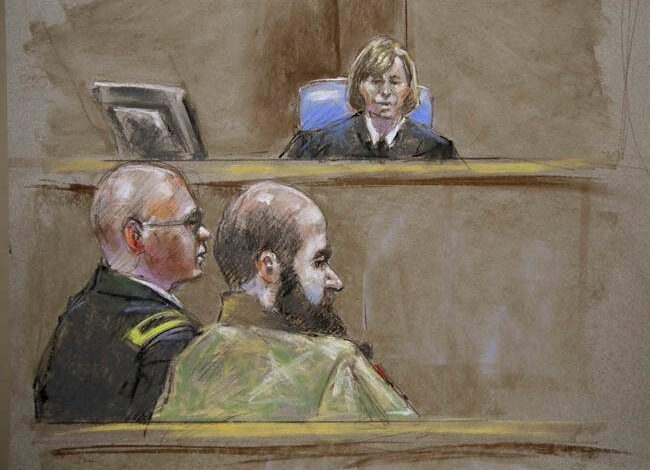
Hasan, a former Army major and psychiatrist, was convicted in 2013 of killing 13 people and injuring 32 others in a shooting at the base in November 2009. He was sentenced to death under the Uniform Code of Military Justice. The last military execution in the United States occurred on April 13, 1961, when Private John Bennett was executed by hanging. Hegseth noted that the military has not carried out an execution by firing squad since the World War II era.
The decision to broadcast the execution has generated significant debate among legal experts and human rights advocates. While some experts argue that transparency could inform the public about the realities of capital punishment, others have raised concerns regarding the dignity of the defendant and the potential for the event to be perceived as a government spectacle. The announcement comes amid renewed scrutiny of execution methods in the US, following a botched lethal injection in Tennessee earlier this year.
Legal challenges may delay the scheduled execution. Hasan has the right to file a habeas corpus petition in civilian court, a process that could significantly postpone the event. Legal experts noted that such litigation could extend beyond the current administration, depending on the judicial timeline. However, given Hasan’s conduct during his trial, where he represented himself and appeared to seek the death penalty, it remains unclear whether he will pursue further appeals.
During his 2013 trial, Hasan waived the right to present a defense, calling no witnesses and making no closing argument. He told jurors he was the gunman and stated his intent was to prevent soldiers from deploying to Afghanistan. He was shot in the back by law enforcement during the incident, leaving him paralyzed from the waist down; he currently uses a wheelchair. Following the notification of his execution, his attorney, John Galligan, stated that Hasan had not yet had access to his preferred legal counsel, a claim the Army disputed, stating that reasonable efforts were made to contact defense attorneys.
The use of firing squads by the US military is a shift from previous protocols. Firing squads are being viewed by some legal scholars as a potentially more precise alternative to lethal injections, which have faced difficulties due to drug shortages and medical professional reluctance. However, critics argue that the public nature of the broadcast is intended to emphasize a specific cultural or political message rather than solely focusing on procedural transparency. The White House referred all questions regarding the logistics of the livestream to the Pentagon.
President Donald Trump previously criticized public executions in other nations, specifically citing Iran, as a rationale for diplomatic and military pressure. In January, he stated that threats of violence had stopped planned executions in Iran. The contrast between these international stances and the domestic decision to livestream a military execution has drawn attention to the administration’s approach to capital punishment.
The execution is set to proceed on December 3 at Fort Hood. The Army has stated that all protocol regarding the notification of legal counsel has been adhered to. Further details regarding the specific logistics of the broadcast, including platform and access instructions, are expected to be released by Pentagon officials in the coming days.