
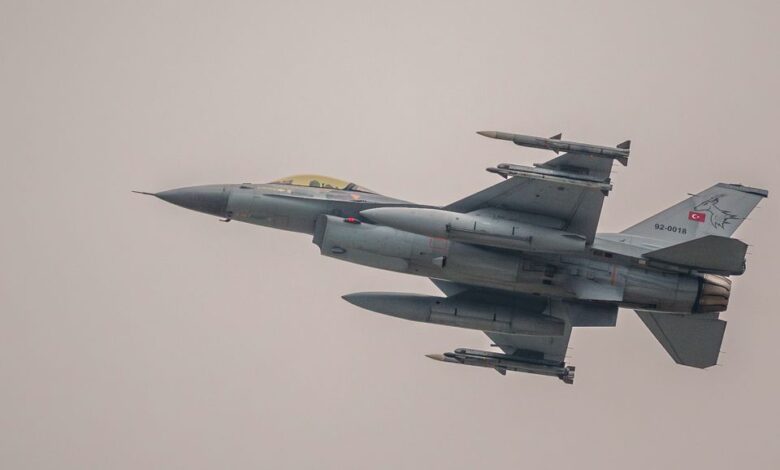
According to data provided by Greece’s Joint Chiefs of Staff, the Turkish aircraft breached Greek national airspace ten times during the course of the day. All incoming aircraft were identified and intercepted by the Hellenic Air Force. The resulting aerial joust, in which pilots maneuver for a tactical advantage that would allow them to shoot down an opponent in a combat scenario, was the second simulated dogfight recorded in 2026, following a similar incident in March.
The recent friction represents a notable increase in aerial activity between the two NATO allies. Greek military records indicate that 159 airspace violations have been documented since January 1 of this year. This figure already exceeds the total of 225 violations recorded across the entirety of 2025, a period that saw only one simulated dogfight occur in December.
The current trend contrasts sharply with recent history. No airspace violations or simulated dogfights were officially reported in 2024. However, 2023 was a year of particularly heightened tension in the Aegean, with Greek military logs recording 1,172 violations and 87 simulated dogfights involving Turkish aircraft. Since January 1, 2026, the frequency of these incidents has risen significantly compared to the previous two-year period, signaling a renewed escalation in border disputes.
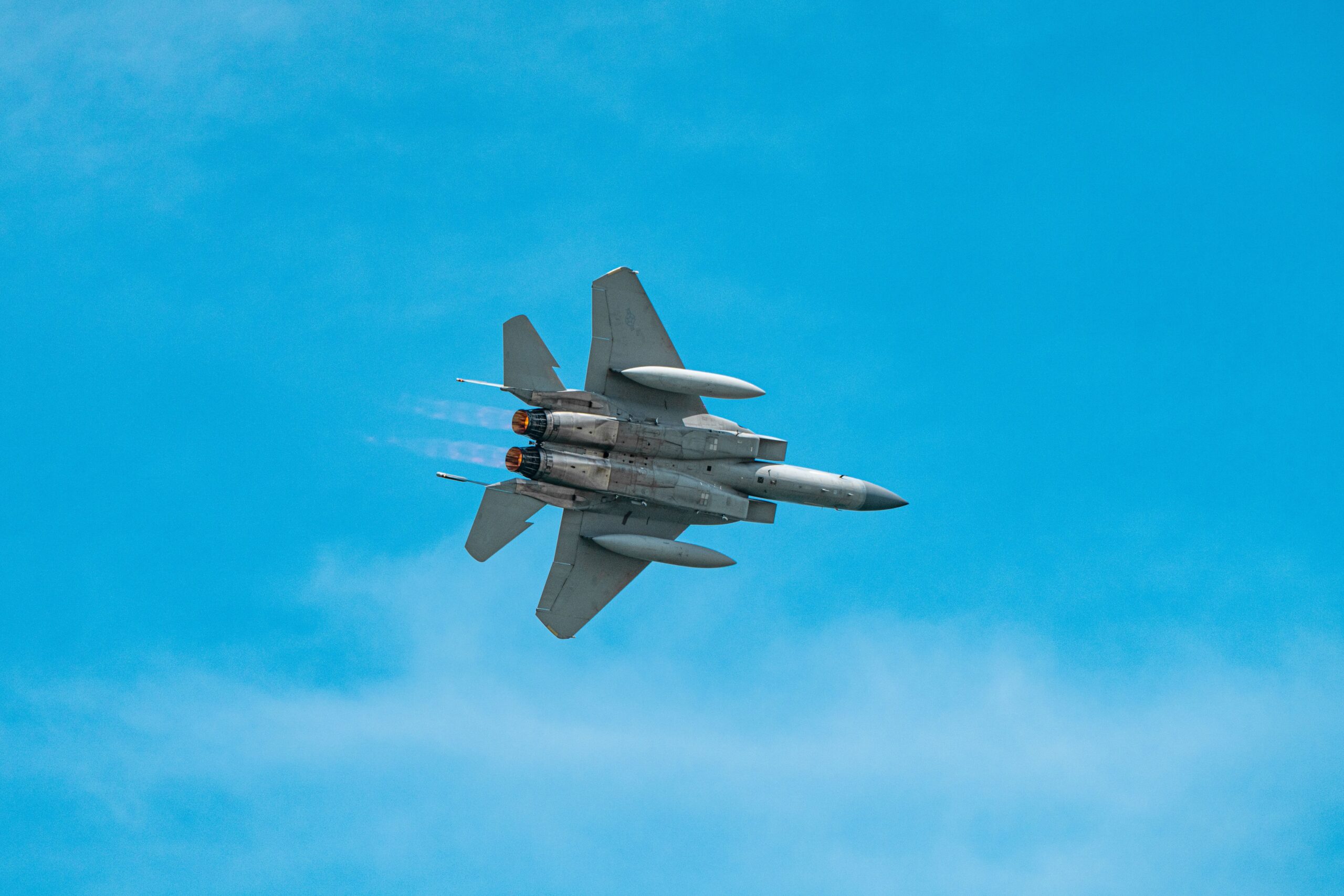
Simulated dogfights, also known as mock aerial combat, carry inherent risks. A small number of fatal incidents have been recorded over the past five decades, typically occurring when pilots ignore safety protocols to secure a nominal kill position or avoid being locked into an opponent’s targeting system. While the Monday incident did not result in physical collision or loss of life, it underscores the persistent disagreements between Athens and Ankara over the precise limits of Greek airspace in the Aegean Sea.
Greece and Turkey have long-standing disputes regarding maritime boundaries, airspace sovereignty, and energy exploration rights. Tensions between the two neighbors flared dramatically in 2020, when Turkey encouraged thousands of migrants to move toward Greece’s Evros border crossing. Later that year, Greek and Turkish naval frigates lightly collided during a standoff over offshore gas exploration in the Eastern Mediterranean, raising fears of a broader military confrontation that ultimately did not materialize. The recurring airspace violations and aerial standoffs remain a central point of friction in the bilateral relationship.
Rising Incidents in the Aegean
The pattern of increasing violations in 2026 highlights a shift from the calm seen in 2024. While the total number of incidents this year remains below the peak levels of 2023, the frequency of simulated dogfights has increased, with two occurring in the first half of 2026 compared to one in the entire previous year. Greek officials continue to monitor the situation closely, with all violations being logged and intercepted to maintain airspace integrity.