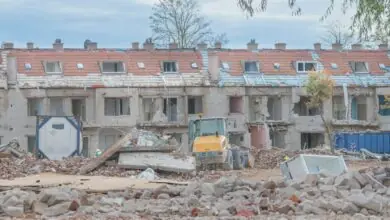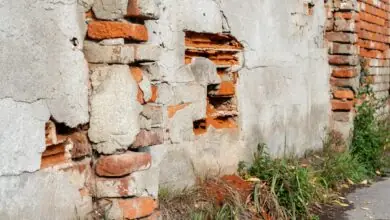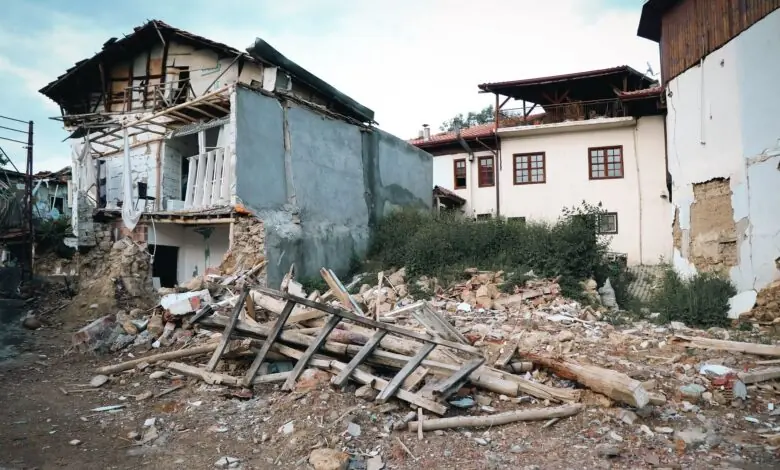
The initial assessment of casualties, provided earlier by Ganza, indicated one death and 17 injuries. These figures were subsequently revised upward to two deaths and 20 injured as the immediate aftermath of the attack unfolded. Of the 20 individuals injured, 14 have been hospitalized. Ganza noted that three male patients are currently in a serious condition. During the rescue efforts, emergency teams managed to extract a woman who had been trapped under the rubble of a damaged structure. The ongoing threat of potential repeat strikes from Russian forces complicated the operational environment for rescue crews, limiting the speed and scope of their recovery work.
The strike caused material damage to residential buildings and critical medical facilities. Among the damaged infrastructure was an ambulatory center for the Medical and Sanitary Aid Center and one of the city’s hospitals. At the time of the attack, the hospital was hosting nearly 100 patients. Ganza confirmed that neither the patients nor the medical personnel were harmed by the impact. Despite the structural damage, all patients have been or are being transferred to other medical facilities to ensure continuity of care.
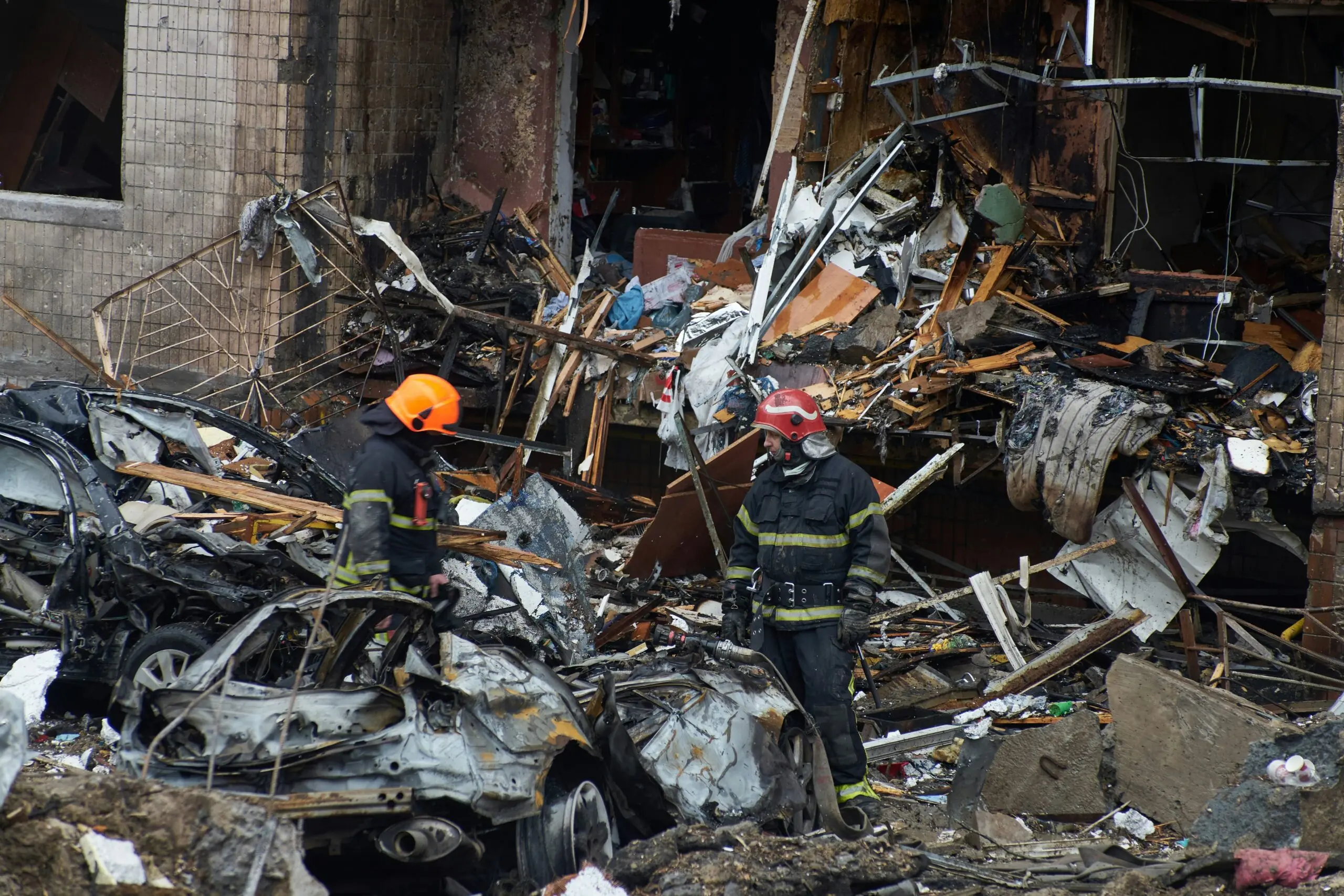
The attack represents a continued pattern of Russian strikes on civilian infrastructure in Ukrainian cities during the ongoing conflict. While specific details regarding the type of munitions used or the exact trajectory of the strike were not provided in the initial official statements, the damage to a hospital and an ambulatory clinic highlights the vulnerability of healthcare systems to aerial bombardment. The successful extraction of survivors from the rubble underscores the critical role of emergency response units in mitigating the humanitarian impact of such attacks, albeit under the constraint of ongoing security risks.
As the search and rescue phase concludes, attention shifts to the logistical challenges of treating the injured and repairing the damaged medical facilities. The transfer of patients from the affected hospital to other institutions is an ongoing process. The incident has raised questions about the resilience of urban healthcare infrastructure against sustained aerial attacks and the operational risks faced by emergency responders in contested zones.