Mykhailo Semikin, the head of the Zaporizhzhia Oblast Military Administration, confirmed the attacks via a Telegram post. In his initial assessment, Semikin stated, “The enemy attacked Zaporizhzhia… The number of injured… increased to three.” He specified that among the initially reported casualties were two women, aged 57 and 42, and a man, also 42.
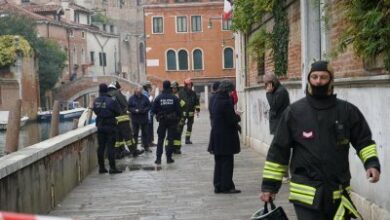
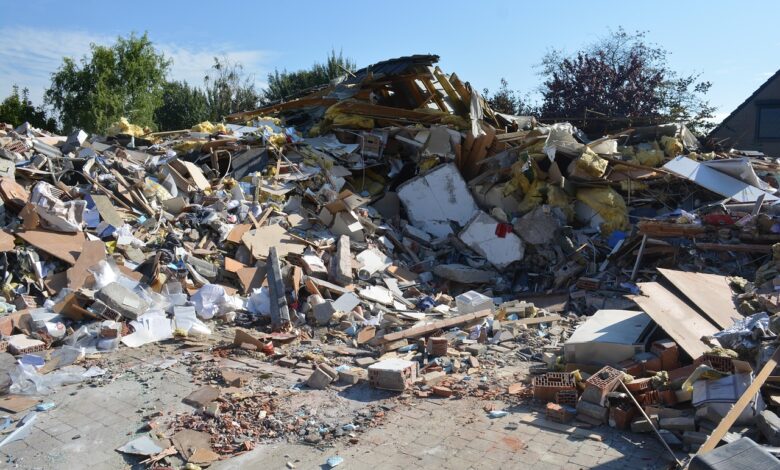
Visual evidence accompanying the administration’s post, including photos and videos, depicted a fire burning at the site of one of the impacts. The imagery confirmed the destruction in the urban environment, though the specific type of ordnance used was not identified in the official communication.
The casualty count was subsequently revised upward. Semikin later updated his report to note a fourth victim, a woman who was injured by a separate Russian strike on a residential high-rise building. This update brought the total number of confirmed injured civilians to four.
The strikes represent a continued pattern of aerial and missile attacks on Ukrainian infrastructure and residential areas. While the immediate tactical effect was localized to the specific buildings hit, the operational significance lies in the ongoing pressure on urban centers, which complicates civilian life and strains local emergency response services. The targeting of a residential high-rise underscores the risk to non-combatants in areas where the line between military and civilian infrastructure can be blurred by long-range weapons.
At present, there are no independent verification reports regarding the specific munitions employed or the precise origin of the strikes. The information provided is solely from the regional military administration. The incident highlights the persistent vulnerability of Ukrainian cities to long-range strikes, a key strategic concern for both national defense planning and international security observers.