
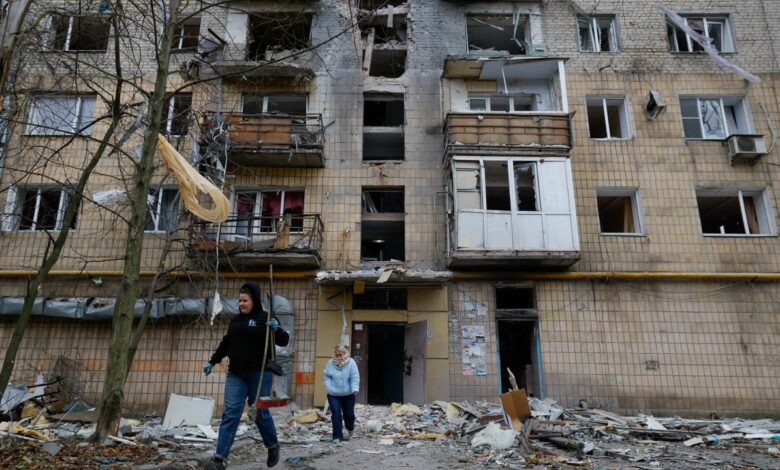
The diplomatic effort comes amid continued military stalemate. Russian forces currently occupy approximately one-fifth of Ukrainian territory. While US President Donald Trump has publicly suggested that a broad deal is imminent, citing that both sides are “tired of fighting,” the substantive positions of Moscow and Kyiv remain far apart. The central point of contention, as highlighted by Ukrainian sources, is the sequencing of peace measures. The Ukrainian delegation maintains that a cessation of hostilities is a prerequisite for any discussion regarding a new security architecture. Conversely, Russian officials have emphasized that security guarantees for Russia must be addressed concurrently with those for Ukraine and the broader region.
The composition of the delegations signals the high-level political priority both governments assign to this round. The Ukrainian team is led by Rustem Umerov, the head of the Foreign Intelligence Service (SBU’s foreign counterpart), accompanied by Kyrylo Budanov, head of the President’s Office, and Davyd Arakhamia, the parliamentary leader of President Volodymyr Zelenskyy’s party. The Russian delegation is headed by Kremlin aide Vladimir Medinsky, joined by Yuri Ushakov, head of the Russian Foreign Military Intelligence Agency (GRU) Igor Kostyukov, and Deputy Foreign Minister Sergei Ryabkov. This mix of intelligence chiefs, political strategists, and diplomatic officials suggests that the talks aim to bridge the gap between military realities and political settlements, rather than focusing solely on tactical battlefield issues.

According to a source close to the Ukrainian delegation, the initial sessions in Abu Dhabi focused heavily on the definition of security guarantees. The discussions touched upon two distinct tracks: guarantees for Ukraine and Europe as a whole, and specific security demands put forward by Russia. The Ukrainian position, articulated by the source, is that the immediate priority is the halt to active combat operations. Only after this military pause can the parties effectively transition to formulating a long-term European security framework designed to prevent future aggression. This stance contrasts with Russian Foreign Minister Sergey Lavrov’s earlier statements that the talks would prioritize “security issues concerning Russia, Ukraine and the region as a whole” and aim to agree on principles for a comprehensive settlement.
US President Trump, who campaigned on a promise to end the war within 24 hours of taking office, struck an optimistic tone ahead of the meeting. “We’re having a very good conversation about that in Abu Dhabi,” Trump stated on Monday. However, diplomatic progress has been incremental at best. Previous negotiations have resulted in prisoner-of-war exchanges and short-lived, localized ceasefires, but no comprehensive agreement has been reached. The lack of a breakthrough in the months following the February Geneva talks indicates that while the diplomatic channel remains open, the underlying strategic discrepancies regarding territorial control and security commitments are not easily resolved.
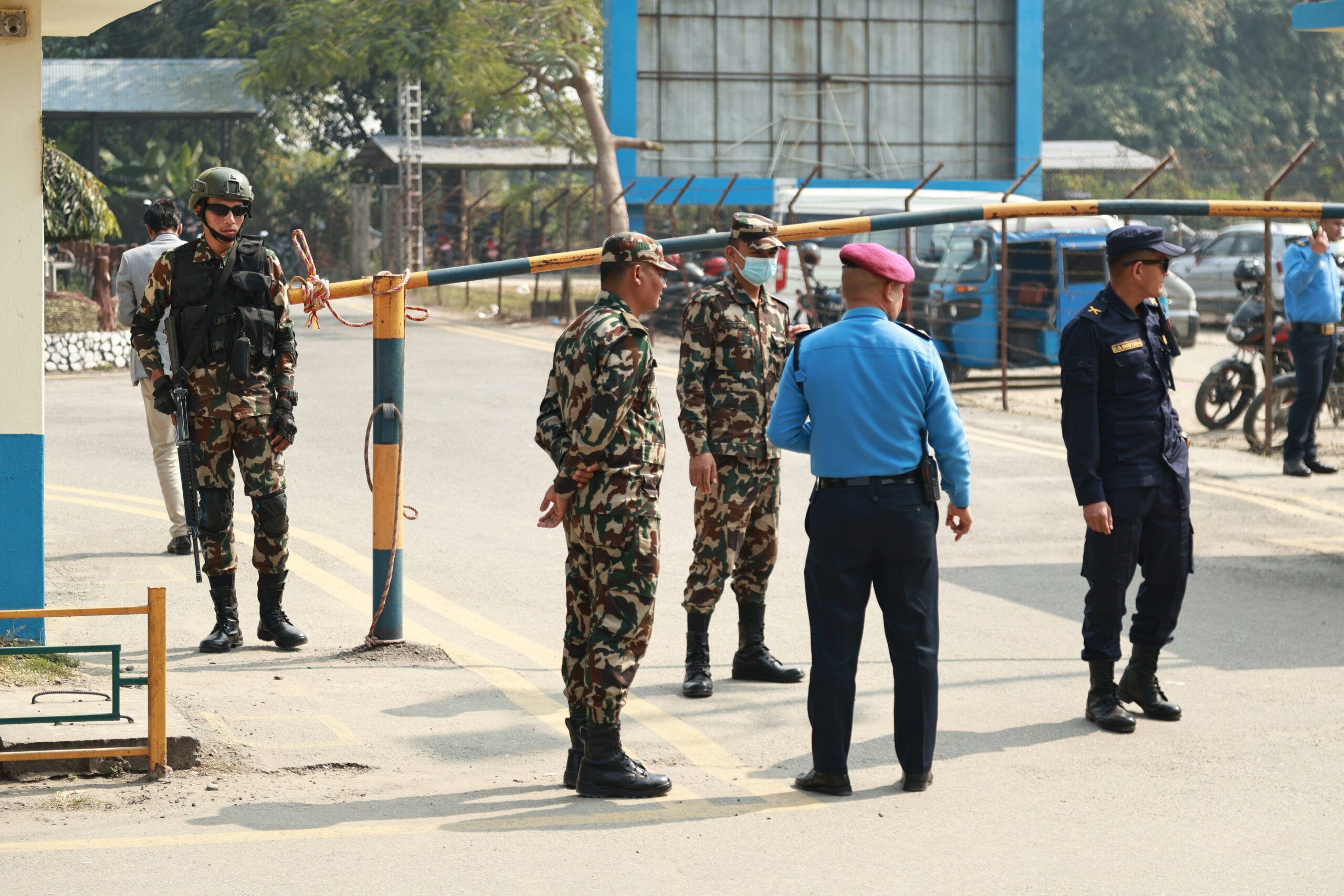
The humanitarian and military context remains severe. The conflict has persisted for 1,721 days, resulting in significant infrastructure damage and displacement. While the talks in Abu Dhabi provide a diplomatic avenue for de-escalation, no verified changes to battlefield operations have been announced as a direct result of these initial sessions. The success of this round will depend on whether the parties can move beyond abstract principles to concrete, verifiable steps toward a ceasefire. For now, the international community awaits the outcome of the second day of negotiations, with Ukrainian officials expressing hope for a breakthrough in the second round, though they do not expect a sudden resolution from the first meeting.