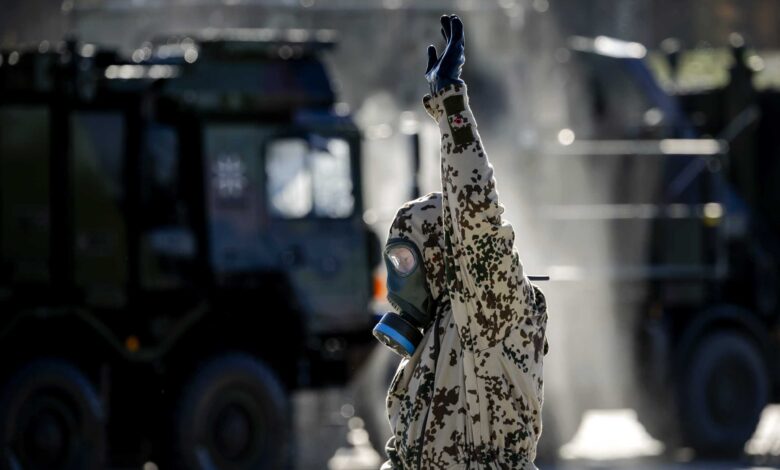
The primary concern is not the acquisition of weapons-grade fissile material, but the misuse of legally traded radioactive sources. According to a U.S. Government Accountability Office analysis, Category 3 sources—such as cobalt-60 and cesium-137 used in industrial gauges and medical irradiators—are more likely to be diverted for RDDs than higher-category materials due to their widespread commercial presence and lighter security oversight. While Category 1 and 2 sources can cause acute death, Category 3 sources pose a greater proliferation risk. The International Atomic Energy Agency (IAEA) notes that even if fully dispersed, lower-activity sources may not cause mass casualties, but the economic disruption, public panic, and costly decontamination operations would be severe.
Complicating the threat landscape is the dispersal of authority within Iran. Following Khamenei’s death, effective command has fragmented among Islamic Revolutionary Guard Corps commanders across 31 provinces. International institutions no longer have clear visibility into which entities control the locations of Iran’s fissile stockpiles. As of June 2025, IAEA assessments indicated Iran held approximately 440kg of uranium-235 enriched to 60%. While this quantity is insufficient for a nuclear explosive device, which requires roughly 25kg of weapons-grade material, it represents a significant radiological hazard from a sabotage or dispersal perspective. Reports of drones allegedly carrying radioactive materials in London this month have heightened European concerns regarding the need for robust monitoring networks.
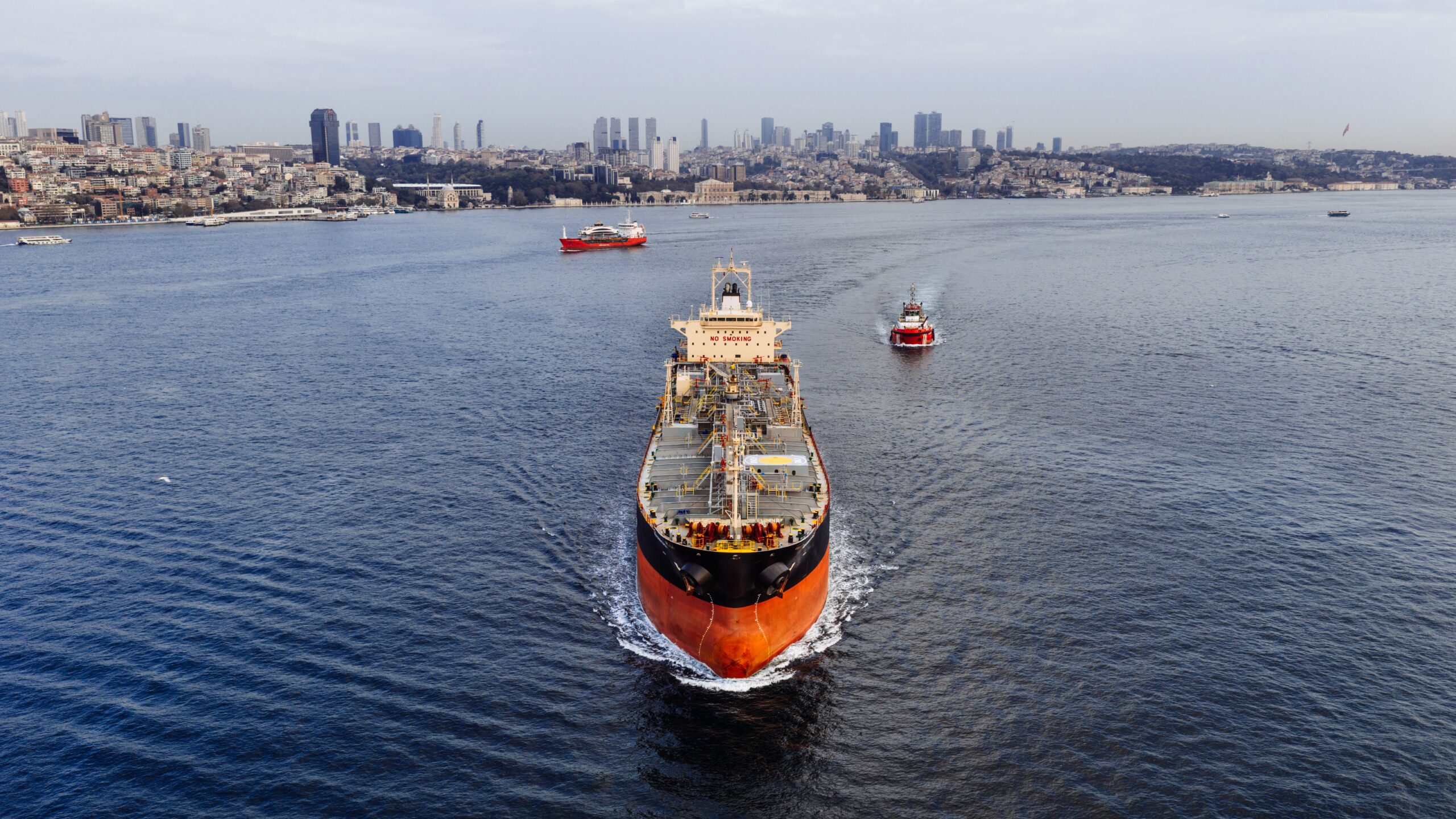
Analysts suggest that the current focus on conventional maritime threats has overlooked the “silent threat” of radioactive cargo transportation through contested waters like the Strait of Hormuz and Bab-el-Mandeb. The combination of established smuggling networks, limited naval resources, and the potential for decentralized sabotage operations creates a unique risk environment. Experts emphasize that RDDs are not weapons of mass destruction in terms of immediate lethality but function as economic and psychological weapons. The Goiânia accident in Brazil provides a historical baseline, suggesting that while large-scale RDDs typically cause limited direct casualties, specific configurations could sicken thousands and kill hundreds through contamination and medical strain.
In response to these emerging risks, European policymakers are urged to accelerate the installation of radiological monitoring networks to identify potential RDD threats. The uncertainty surrounding the future of Iran’s nuclear program and the lack of central control over its material stockpiles necessitate a shift in defense planning. Current maritime security measures, designed primarily for conventional warfare, are ill-equipped to detect or mitigate the diversion of radioactive sources. As the geopolitical situation remains volatile, the potential for subversion networks to exploit these gaps remains a critical concern for international security planners.