
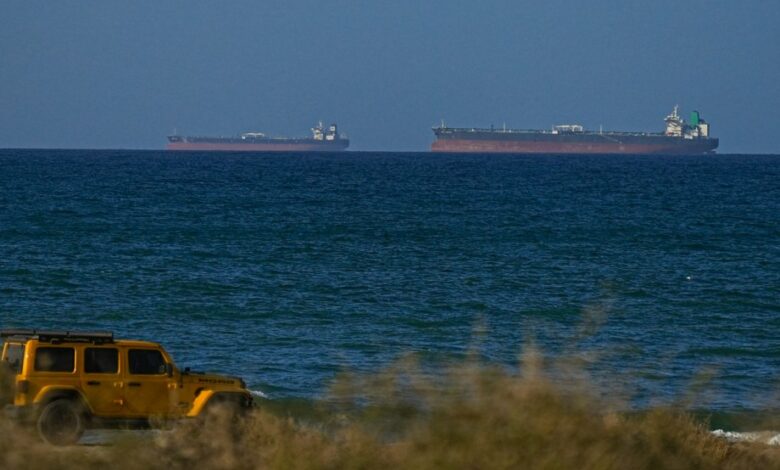
The decline in maritime activity is not merely a statistical anomaly but the result of a sustained campaign of violence against commercial vessels. On Tuesday, maritime officials announced that two ships were attacked by unknown projectiles while passing through the strait, killing at least one sailor and resulting in a “crew casualty” on the second vessel. These incidents add to a grim tally: since the conflict began, the International Maritime Organization (IMO) has documented 134 confirmed incidents in the Strait of Hormuz and the wider Middle East maritime area as of November 11. Twenty-five seafarers have been killed, with many others injured or missing.
Khaled Khiari, the UN Assistant Secretary-General for the Middle East, Asia, and the Pacific, briefed the UN Security Council on Friday, warning that these maritime disruptions pose a serious risk to international peace, security, and the global economy. Speaking at Bahrain’s request, Khiari emphasized that civilian vessels and commercial shipping “must not become targets,” reiterating Secretary-General Antonio Guterres’ concerns. He noted that the UN receives daily reports of incidents, with restrictions on maritime navigation adding to regional uncertainty despite some recovery in energy exports through alternative routes.
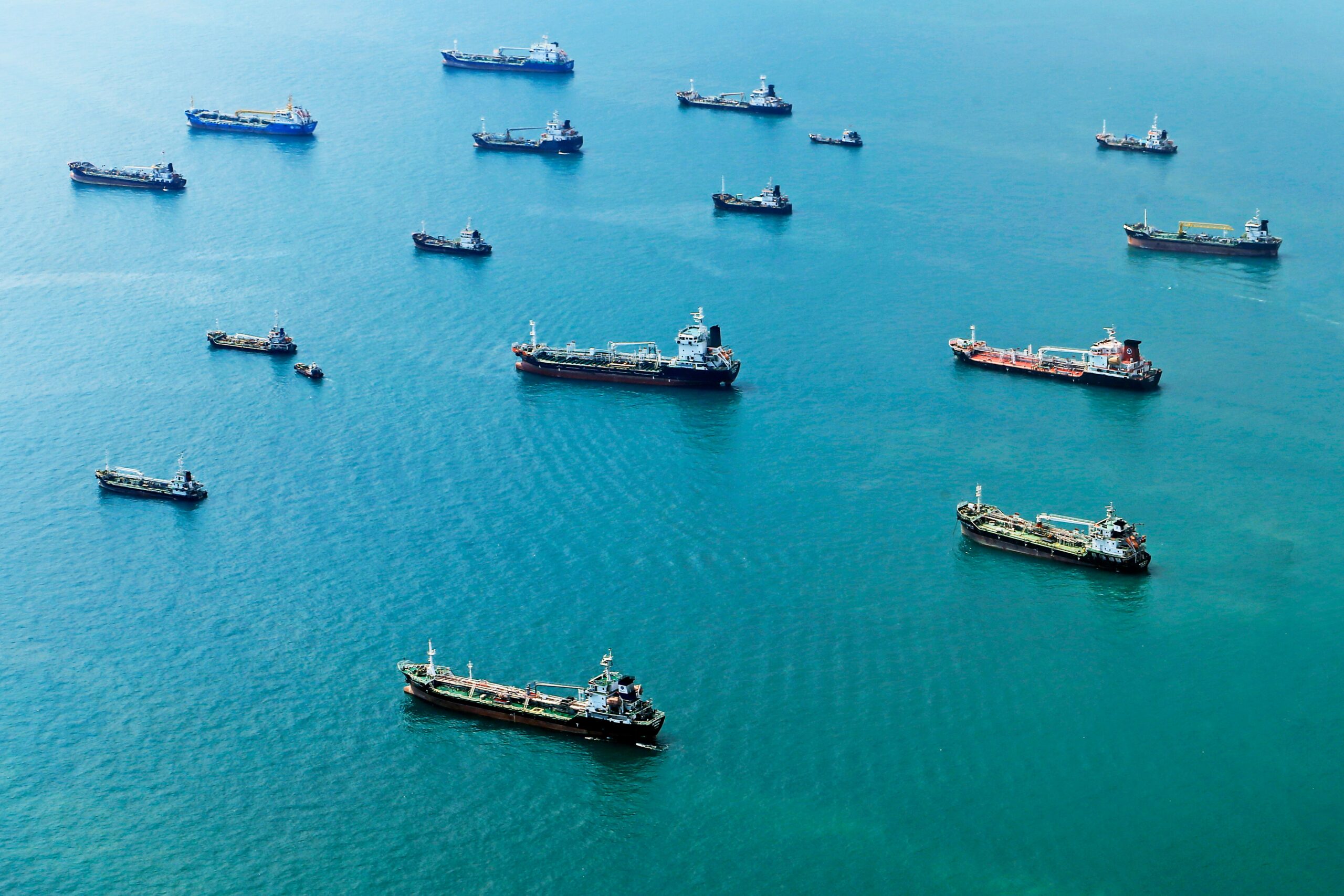
The economic implications of these disruptions are becoming increasingly tangible. When tensions reignited following the collapse of a mid-June ceasefire, vessel traffic slumped sharply. Lloyd’s List Intelligence recorded just 53 vessel transits in the week through July 20, a 66% drop from the 157 crossings the previous week. Tanker and gas carrier movements, which are essential for transporting Gulf crude oil and liquefied natural gas, plummeted to 30 crossings from 90. Kpler data corroborates this trend, showing daily crossings dropping from an average of more than 20 vessels before July 15 to single digits by July 16.
Shipowners are responding to the heightened risk by reassessing their operations. Bridget Diakun, senior risk and compliance analyst at Lloyd’s List Intelligence, noted that while traffic has not ground to a complete halt, it is moving in “ebbs and flows.” “Every single person has a different risk appetite,” Diakun said. “We’re still seeing tankers crossing in and out… but people pull back and reassess, as you’d expect.” Many vessels now travel with navigation devices turned off to evade detection, making accurate tracking difficult and complicating logistics for insurers and port authorities.
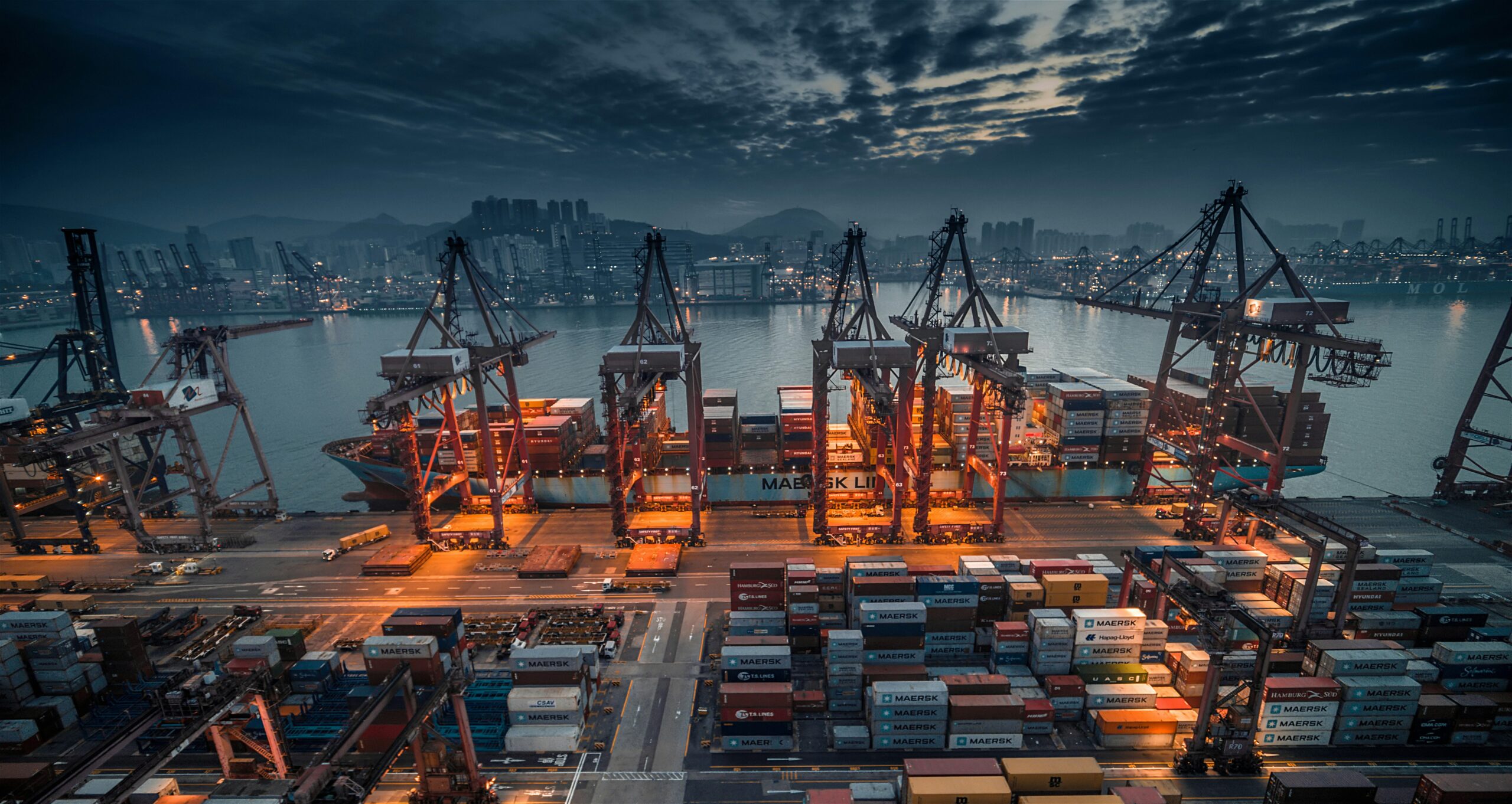
The human cost of these disruptions is significant. Hundreds of ships remain stranded in the Persian Gulf, leaving crews isolated for months. While the UN has condemned Houthi cross-border attacks targeting civilian infrastructure and energy facilities in Saudi Arabia, the broader escalation in Yemen and the Gulf has made the entire region a high-risk environment. Khiari cautioned that the recovery of energy exports should not be mistaken for a return to normal conditions, as maritime shipments remain well below pre-conflict levels.
The conflict has entered its sixth month, and the economic pressure is mounting. Higher energy and transportation costs are beginning to ripple through global supply chains. The UN warns that the current maritime arrangements are imposing mounting economic costs, affecting not only Gulf states but also global importers dependent on stable energy flows. As the Security Council continues to deliberate, the focus remains on restoring safe navigation. However, with renewed U.S. strikes on Iran and Tehran’s declaration of a blanket ban on maritime traffic, the path to normalization remains uncertain. The next key indicator to watch will be whether vessel traffic can stabilize above the current low levels or if further attacks will force a complete halt to commercial shipping through the strait.



3 Comments