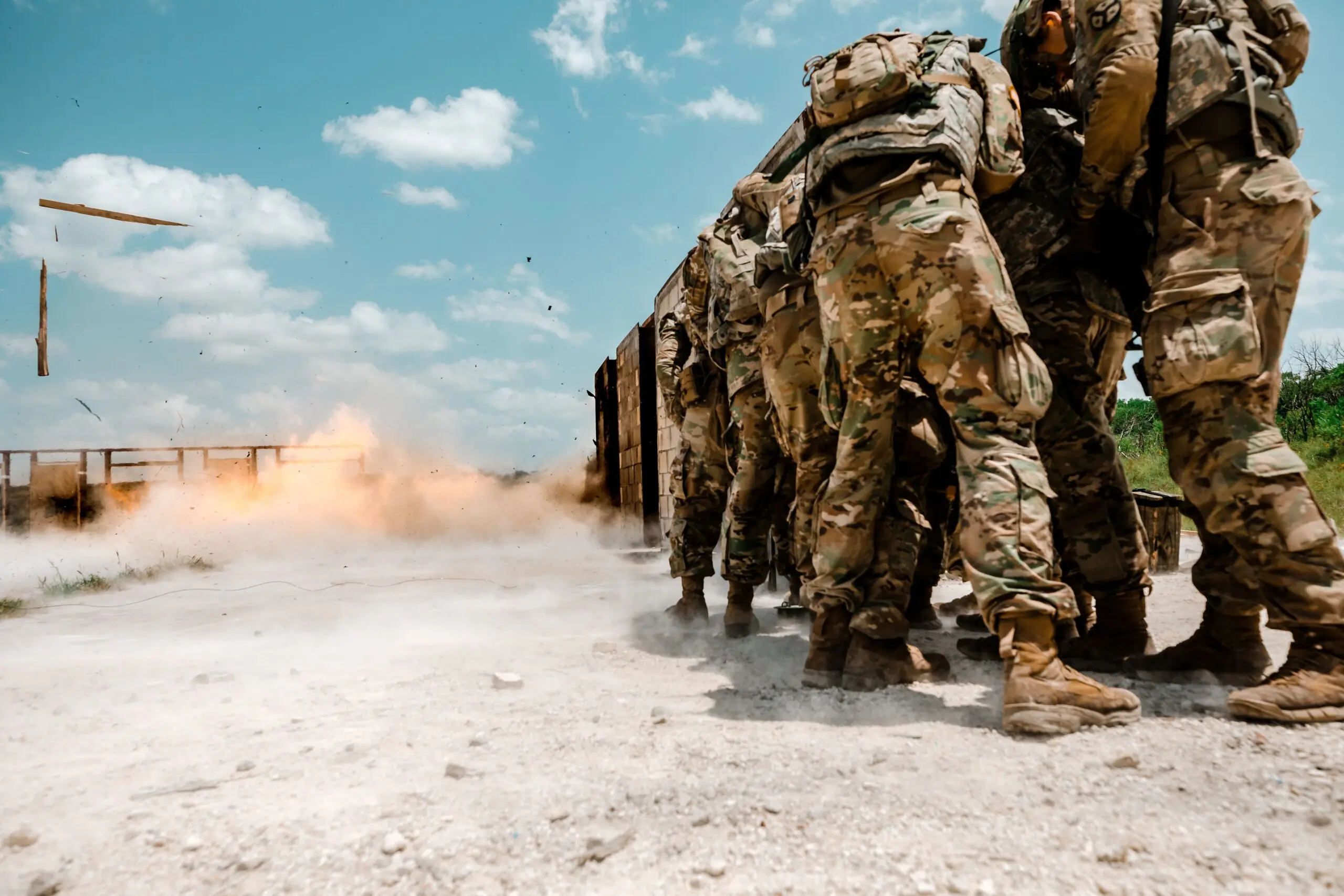
Polish Prime Minister Donald Tusk addressed the incident, stating that the event was likely a provocation. He specifically noted that the timing coincided with European military exercises taking place within Poland, which were being conducted in preparation for a possible post-war mission in Ukraine. By linking the missile strikes to these specific drills, Tusk framed the incident not merely as a collateral result of the conflict in Ukraine, but as a deliberate strategic signal aimed at disrupting or intimidating European preparations for future involvement in Ukrainian security.
The physical impact on Poland involved two confirmed missiles and one suspected drone. While the source material does not specify the exact model of the missiles or the drone, their presence on Polish soil represents a tangible breach of territorial integrity. In the context of international security, such incidents are typically assessed at the operational and strategic levels. Operationally, they test the readiness and reaction protocols of Polish air defense and ground forces. Strategically, they serve as a deterrent or warning to European nations considering deeper military entanglement in the post-conflict phase in Ukraine.
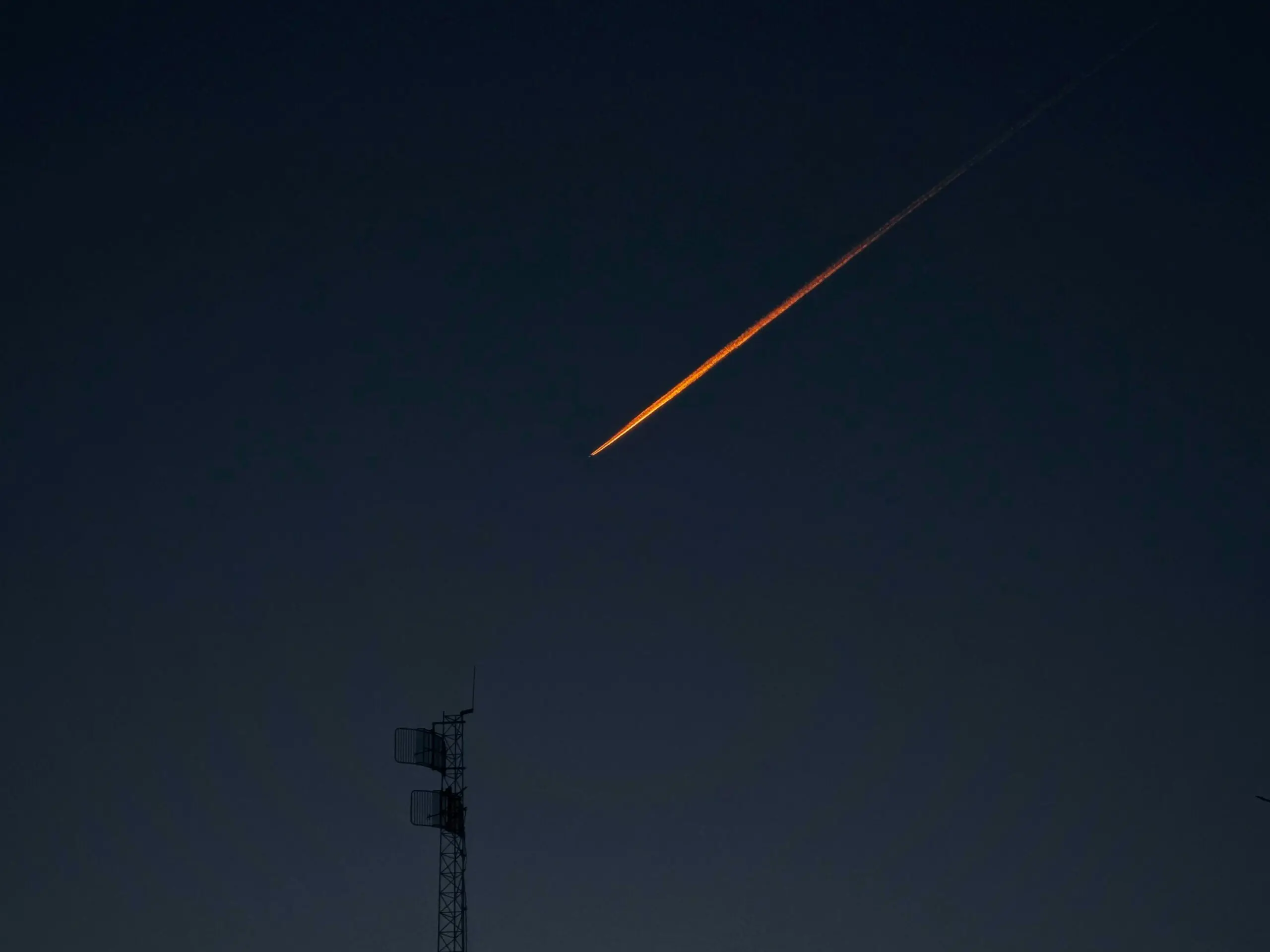
The backdrop of the incident is the ongoing Russian bombardment of Ukraine. The synchronization of the missile strikes in Poland with the broader nighttime campaign in Ukraine suggests a coordinated Russian operation, or at least a failure of air defense interception that allowed ordnance to drift across the border. However, the Polish government’s characterization of the event as a “provocation” implies an intent beyond accidental drift, suggesting Moscow is aware of the European exercises and is using the threat of cross-border strikes to influence their scope or the political willingness of European states to commit forces to a post-war peacekeeping or security role.
This development complicates the diplomatic landscape. The United States is actively trying to mediate talks to end the war. The landing of Russian munitions in a NATO member state could derail these efforts by hardening European attitudes or providing Moscow with a pretext to challenge diplomatic narratives. Conversely, it may also serve as a wake-up call for European capitals regarding the risks of post-war engagement. The distinction between a tactical accident and a strategic provocation is crucial here. If viewed as an accident, it may lead to diplomatic protests and increased air defense cooperation. If viewed as a provocation, it may lead to a harder stance against Russian mediation efforts and accelerated military preparations for a post-war scenario.
The Polish government’s response highlights the delicate balance European nations are striking. They are preparing for a post-war mission, which implies a long-term commitment to Ukrainian security, but they are simultaneously navigating the immediate dangers of the ongoing war. The incident forces a reassessment of the risks associated with these preparations. It underscores that the line between the war in Ukraine and the security of European territory remains permeable, particularly in the context of missile and drone warfare that can travel long distances and cross borders with relative ease.
As of now, no casualties in Poland have been reported in the source material, and the specific damage to infrastructure is not detailed. The focus remains on the political and strategic implications. The incident serves as a reminder that the war in Ukraine has direct, tangible consequences for neighboring states, even if they are not direct belligerents. The timing with the European exercises suggests that Moscow is monitoring and reacting to European military planning, potentially attempting to influence the outcome of those plans through the threat of violence.
The next steps will likely involve diplomatic consultations within NATO and between Poland, Ukraine, and the United States. The Polish government will need to determine the exact nature of the impact sites and whether further incidents occur. The United States will have to manage the narrative, balancing its mediation role with support for its NATO allies. The incident adds a layer of complexity to the peace process, suggesting that military and diplomatic tracks are inextricably linked, and that actions on the ground or in the air can have immediate diplomatic repercussions.