
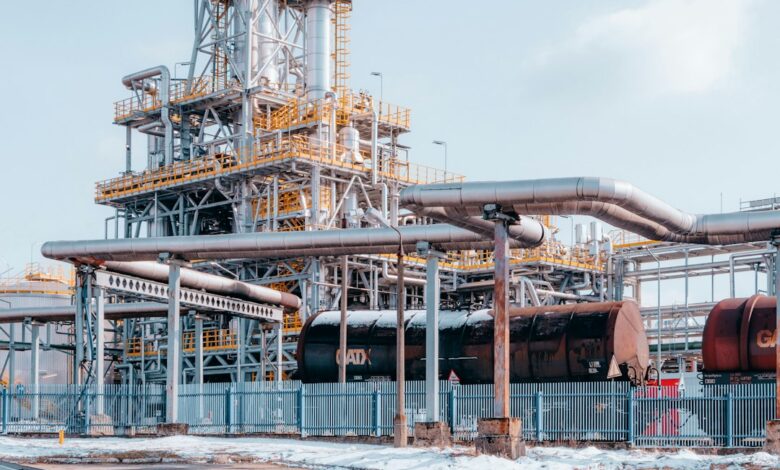
The 1.4 million bpd figure represents a significant recovery for the energy sector, which hit a production low of 519,000 bpd in 2018, just prior to the current administration. Romero attributed this turnaround to an austerity plan that reduced Pemex’s tax burden and adjusted capital investment. He stated that this increased capacity will enable Pemex to supply 100% of Mexico’s consumption for fuel, LP gas, and subsidized fertilizer in the coming years.
However, data reviewed by El Economista highlights a shift in the composition of Pemex’s output. Production of combustóleo, or residual heavy fuel oil, grew by 19% from January to April of this year, reaching 305,447 bpd. This volume is more than double the 146,407 bpd produced during the same period in 2019, the start of the current administration. Heavy fuel oil is less efficient and more polluting than lighter fuels and carries a lower market value than regular gasoline.
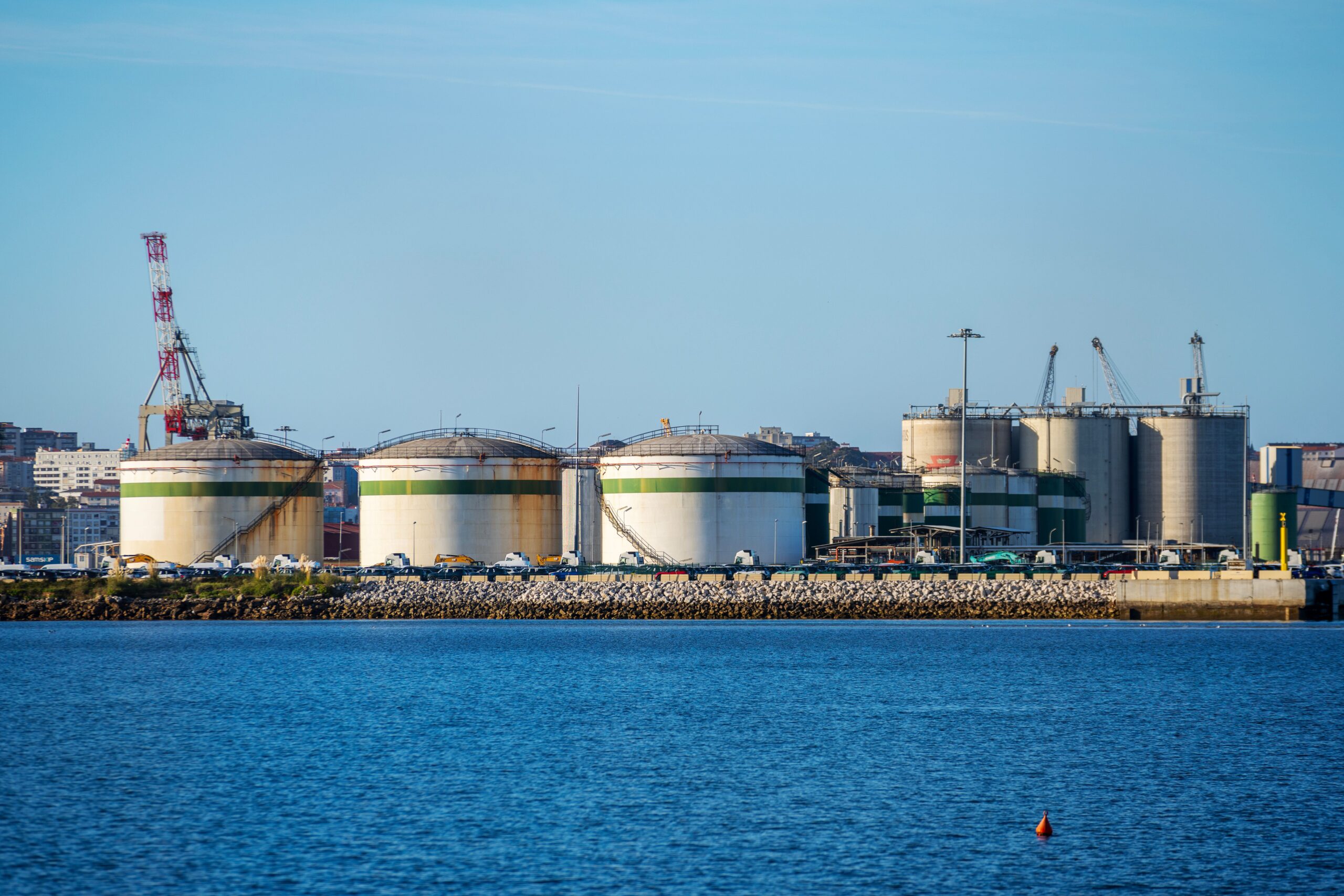
Analysts suggest this surge in heavy fractions reflects a lack of infrastructure to convert crude oil into lighter, high-value products. While overall refining capacity has increased, the specific output of heavy fuel oil indicates that refineries may be lacking the necessary machinery renovations. Data shows that only two Pemex plants—Cadereyta in Nuevo León and Salamanca in Guanajuato—saw a decrease in heavy fuel oil production between April 2022 and April 2023. Both facilities underwent significant renovations during the current term.
In contrast, heavy fuel oil production rose at Mexico’s two largest refineries: Salina Cruz in Oaxaca saw a 12% increase, while Tula in Hidalgo recorded a 17.6% rise. Pemex officials state that both plants are currently installing coking plants, which are designed to increase the yield of liquid transport fuels and reduce the output of residual heavy oils. The implementation of these units is expected to adjust the product mix in the coming period.
These developments coincide with broader economic initiatives. The federal government reported that the Housing for Well-being Program has contracted 667,000 homes with MX$75.9 billion in investment, targeting 12 million families. Additionally, 11,966 service stations are participating in a voluntary gasoline price stabilization pact, with the national average for regular gasoline reported at MX$23.67 per liter.
The next major milestone for Pemex is the full operational status of the Dos Bocas refinery by the end of March. This will determine the immediate impact on Mexico’s domestic fuel supply chain and the subsequent adjustments to the heavy fuel oil production ratio.