
The primary driver of this volatility is not a localized demand shock, but rather a global macroeconomic shift rooted in monetary policy. According to financial analyst Vijay Valecha, the slide is directly linked to the US-Iran war that began in late February. Conflict-related energy price spikes have fueled persistent inflation in the United States, with consumer prices exceeding forecasts for three consecutive months. This inflationary environment has forced the Federal Reserve into a hawkish stance, with the market now pricing in a 90% probability of a 25 basis point rate hike in December, followed by further increases in January and April, according to the CME FedWatch tool.
“The resulting shift in rate expectations lifted US yields and strengthened the dollar, creating headwinds for gold, which pays no interest,” Valecha noted. Because the UAE Dirham is pegged to the US Dollar, local prices in Dubai mirror global dollar-denominated spot prices almost instantaneously. Consequently, the UAE Central Bank’s recent decision to hold its base rate unchanged in October is less significant than the forward-looking expectations of the Fed, which dominate global asset pricing.

Historical context suggests that while the pain is acute, the structural support for gold remains distinct from previous bear markets. Mahmoud Mashal, senior market analyst at VT Markets Dubai, compares the current environment to the 1980s, when gold peaked near $850 an ounce before falling roughly 70% to $252 by 1999 due to the Federal Reserve’s aggressive rate hikes under Paul Volcker. However, Mashal and Firas Bechwaty, head of business development at ICM MENA, highlight a critical divergence: central bank demand. Bechwaty points to data showing central bank purchases reached 321 tonnes in Q3 2026, a 42% year-on-year increase. This institutional buying provides a floor that was absent during the 1999 and 2015 corrections, where gold eventually lost 43% and 70% of their respective peak values before recovering.
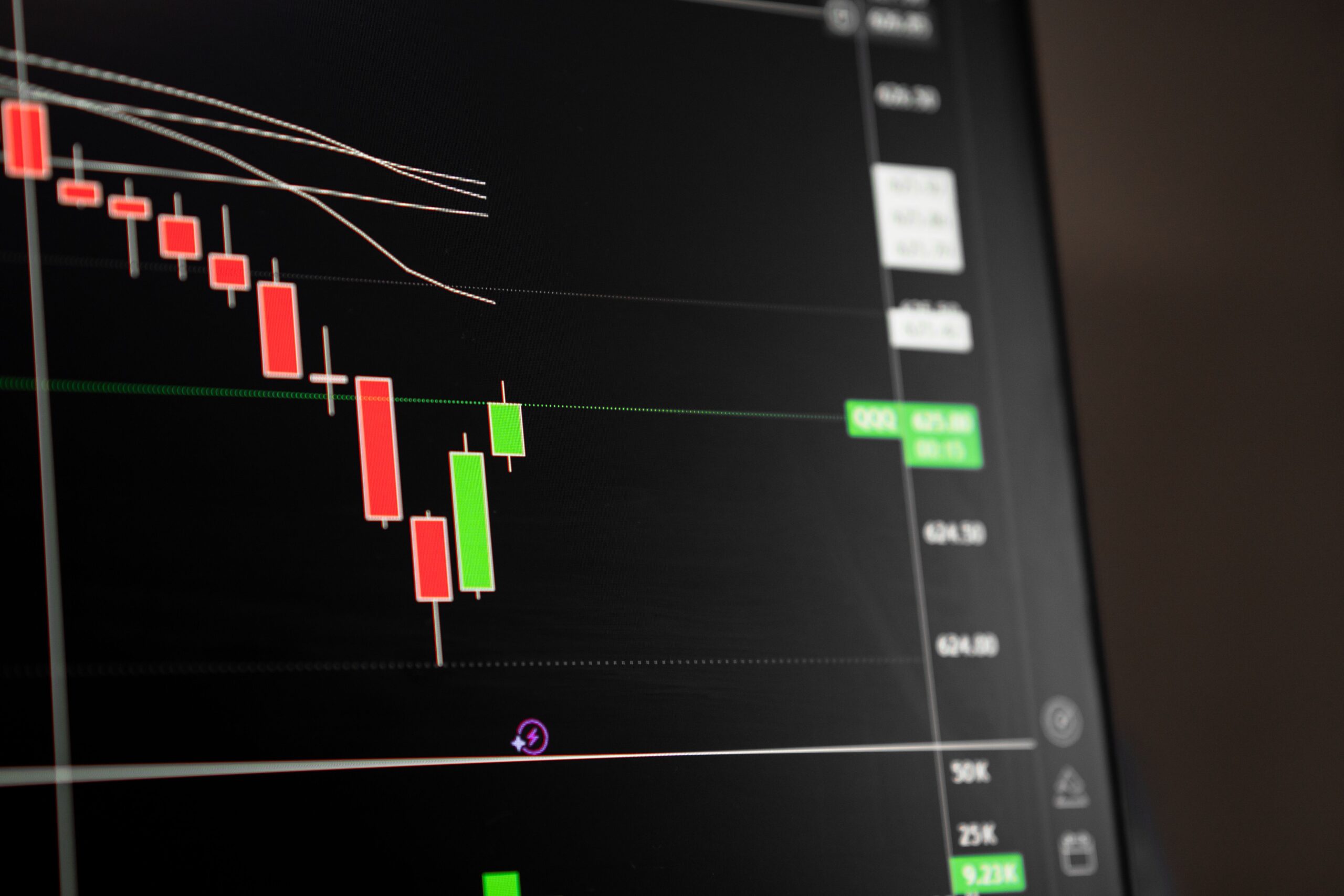
Despite this underlying support, technical indicators suggest further downside is possible. Justin Lin, strategist at Global X ETFs, identifies limited technical support until the price reaches between $3,300 and $3,400 an ounce. Currently, spot gold stands at $3,732.01 per ounce, having dropped below the $3,800 level for the first time since September 2025. Additionally, an AI-led equity rout has introduced a new layer of volatility; forced liquidations of gold positions to cover losses in other asset classes have amplified the selling pressure beyond what pure rate expectations would dictate.
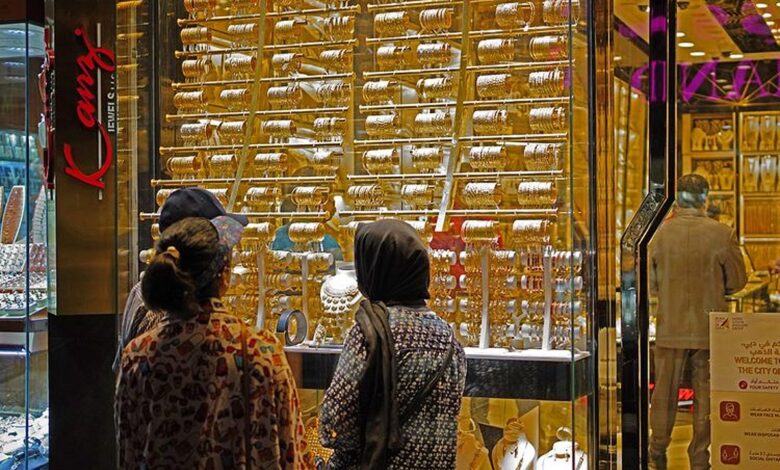
For retail buyers in the UAE, the drop has triggered a familiar dilemma: buy the dip or wait for a bottom. While shoppers flood the souks during price drops, analysts caution that bottoms are rarely predictable in real-time. “Staggered purchases distribute exposure across a range of prices rather than concentrating it at a single level,” Mashal advises. He notes that waiting carries its own risk, as gold took 28 years to recover its 1980 peak and nearly nine years to recover from the 2011 high. Furthermore, physical gold purchases involve additional costs—such as making charges, VAT, and resale spreads—that do not fluctuate with the spot price, affecting the total cost of entry for jewelry buyers compared to bullion or ETF investors.
Global price disparities remain significant for international buyers. As of late March 2026, the cost of 10 grams of 24K gold varied from $1,320 in Beijing to $1,548 in Tokyo, with Dubai offering competitive rates near spot at approximately $1,406. Travelers must also adhere to customs regulations; the UAE allows the import of up to Dh60,000 ($16,340) worth of gold and precious metals without declaration, though any amount of raw gold must be declared upon arrival.
Investors will look to the minutes from the Federal Reserve’s October 27-28 meeting, released on Wednesday, for further clues. The document indicated that most policymakers concurred that further rate hikes were necessary if the US economy continued its current trajectory. With inflation data still above target and the dollar firm, the immediate risk to gold remains skewed to the downside, though the strong central bank demand profile suggests a potential stabilization in the medium term.




One Comment