

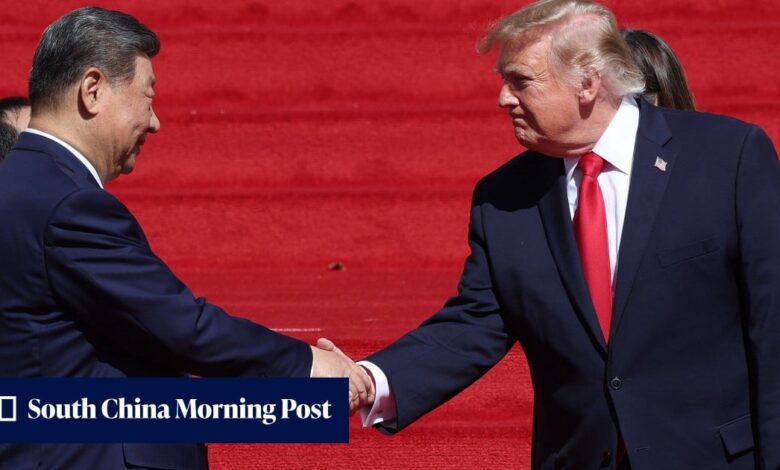
This economic framework emerges from a period of intense volatility in bilateral relations. In April 2025, the US imposed substantial tariffs on Chinese imports, aiming to pressure Beijing into accepting American terms. China retaliated with its own tariffs, disrupting trade flows between the two economies. The tension escalated further when China imposed new restrictions on rare earth exports, metals critical to mobile phones, electric vehicles, electronics, and weapons systems. As a major global producer of these materials, China’s export controls threatened to disrupt supply chains for numerous US companies. In response, the US eventually eased some of its own export restrictions, marking a significant de-escalation from the peak of the confrontation.
The resolution of these trade frictions highlights a distinct divergence in diplomatic approaches between the two leaders. President Trump has frequently cited his personal relationship with Xi as a lever for negotiation, believing that mutual rapport can sway contentious issues. However, the recent outcome suggests that Chinese decision-making remains firmly anchored in long-term national interest rather than personal dynamics. This strategic patience was evident in the handling of the rare earth dispute, where Beijing maintained its position until the US adjusted its stance, demonstrating a willingness to wait for the optimal moment to increase or release pressure.
Historical context further illuminates the complexity of these negotiations. Modern US-China summit diplomacy traces its roots to President Richard Nixon’s 1972 visit to China, a Cold War geopolitical reset that preceded the economic integration seen later in the 21st century. Following China’s accession to the World Trade Organization on December 11, 2001, trade became a defining pillar of the relationship. US companies leveraged lower labor costs and global supply-chain growth to move manufacturing to China, providing American consumers with lower-priced goods such as electronics and appliances. Yet, this economic integration also generated significant political backlash in the US over lost manufacturing jobs and a growing trade imbalance, leading to increased scrutiny under the Obama administration and sharper escalations under the current administration.
The current agreement on “managed trade” represents a departure from the broader, open-market integration of the early 2000s, signaling a shift toward more controlled and segmented economic exchanges. While the $30 billion cap on tariff reductions provides immediate relief for specific non-sensitive sectors, it does not resolve the deeper structural tensions regarding trade practices and strategic competition. The establishment of the Board of Trade mechanism suggests both sides are seeking a structured framework to manage these differences, aiming to prevent the kind of rapid escalation seen in the spring of 2025.
For businesses and consumers, the immediate impact will be felt in the stabilization of prices for the specific goods covered by the tariff reductions, although the long-term effects on supply chains remain uncertain. The focus on non-sensitive sectors indicates that critical technologies and strategic industries will likely remain subject to stricter controls, reflecting the ongoing geopolitical competition. As the details of the managed trade agreement are published, market participants will closely monitor the scope of the included products and the durability of the Board of Trade mechanism in maintaining stability.
Ultimately, the summit’s most significant takeaway may lie in what was achieved through structured negotiation rather than personal influence. The agreement to manage trade flows and reduce specific tariffs offers a temporary respite from the worst of the trade war, but it also acknowledges the limits of diplomatic goodwill in overcoming deep-seated strategic and economic divergences. The next phase of this relationship will depend on how effectively both nations can navigate the boundaries of this managed trade framework while addressing the broader issues of technological competition and global influence.