
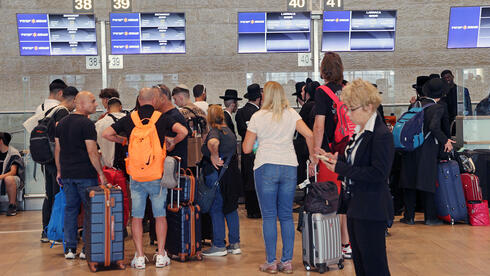
The Israel Airports Authority (IAA) confirmed that delays are expected for aircraft flying to and from Israel due to the air traffic control disruptions in Europe. Although the immediate technical issue was resolved, the IAA stated that prolonged delays in arriving and departing flights were likely to persist until Eurocontrol completed troubleshooting and returned to regular operations. Passengers were advised to check directly with their airlines for schedule changes.
Greek authorities have not yet determined the specific cause of the outage. Panagiotis Psarros, chair of the Association of Greek Air Traffic Controllers, described the incident to state broadcaster ERT, stating, “For some reason, all frequencies were suddenly lost… We could not communicate with aircraft in the sky.” The failure occurred during a busy weekend, exacerbating the impact on passenger flows.
The incident has drawn renewed attention to structural pressures within Greek airspace. Data from Eurocontrol indicates that Greece is among the most affected countries in the European network for the first half of June, alongside Cyprus, Albania, Serbia, and Montenegro. The country accounts for 14% of total en-route Air Traffic Flow Management (ATFM) delays, with 9.5% concentrated in the Athens Area Control Center and 4.4% in the Macedonia sector. Average delay times in Greek airspace have risen by 82% compared to the same period in 2025, and the Athens Area Control Center is not fully meeting targets set under the Network Operations Plan due to elevated traffic loads.
Several factors are contributing to this sustained pressure. The summer travel season has brought peak tourism demand, while geopolitical disruptions in the wider Middle East have altered established air corridors. This has forced widespread rerouting of flights, increasing traffic density over Greek airspace and turning the Athens Flight Information Region into a key transit zone between Europe, the Eastern Mediterranean, and Asia. Unlike other European states where delays are primarily driven by staffing shortages, Greece is additionally impacted by this increased overflight traffic diverted away from Middle Eastern airspace, significantly raising operational complexity for air traffic management authorities.
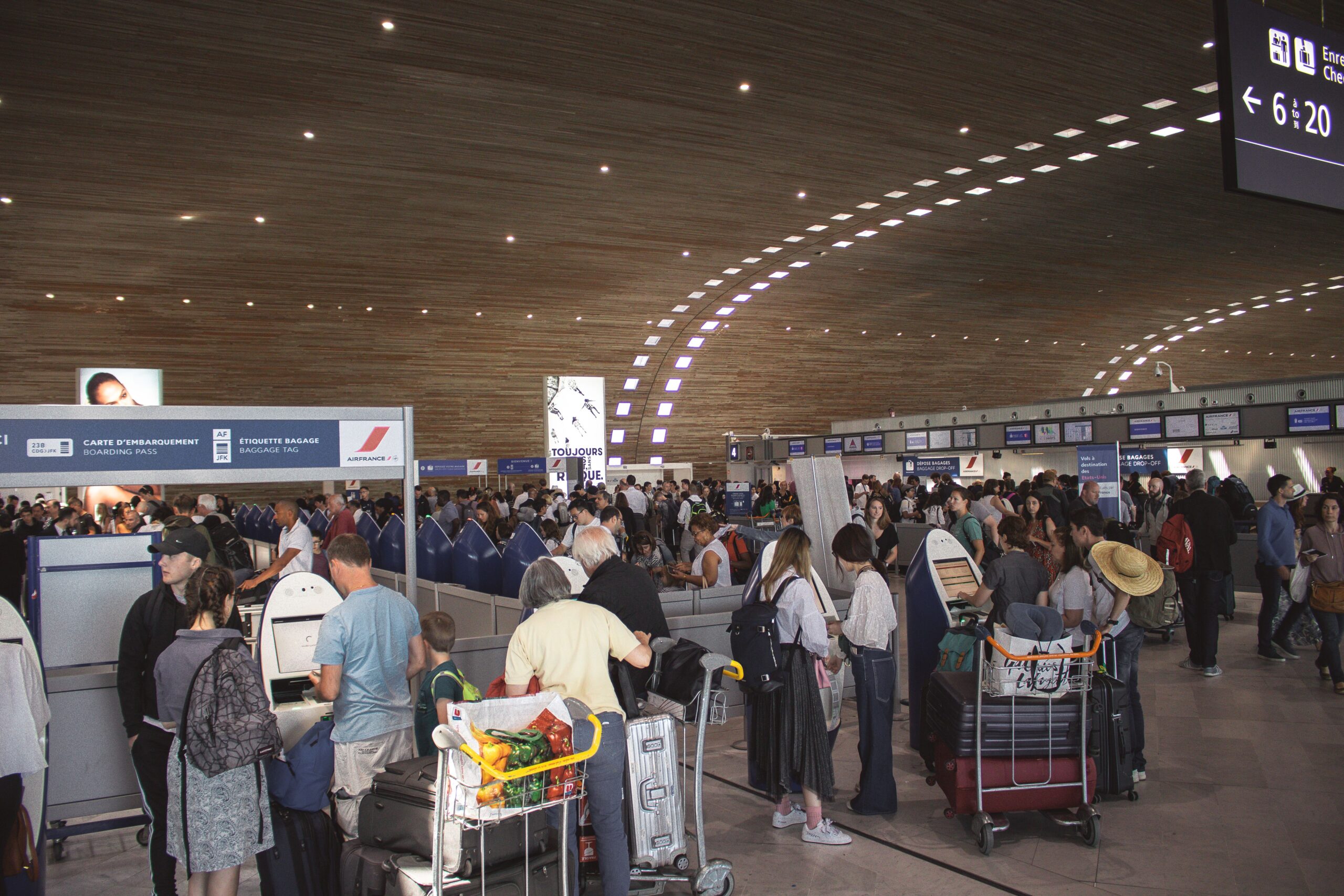
Recent figures illustrate the scale of the ongoing operational strain. On Saturday, July 18, air traffic controllers handled a record 5,082 flights, marking the busiest single day ever recorded in Greek airspace. In recent weeks, flight delays in Greece have risen by 63 per cent, with the country ranking among Europe’s worst for air traffic delays. At Athens International Airport, only 22 of 48 arriving flights landed on schedule during a two-hour window on Tuesday, July 21, while all 36 scheduled departures in the same period left late. Eurocontrol attributes these persistent delays primarily to capacity and staffing constraints within air traffic control, rather than a single major technical incident. Overall European air traffic continues to grow, averaging 34,983 flights per day, up 1.2% year-on-year, though system performance across the continent has improved with average ATFM delays falling by 29% to 2.3 minutes per flight.
The next expected development is the completion of troubleshooting by Eurocontrol to restore regular operations in the affected airspace, though the underlying capacity constraints are likely to remain a factor during the remainder of the summer season.