
Reports indicate that the worker fell ill a few days before her death, with unconfirmed accounts suggesting the infection may have resulted from a laboratory accident involving a broken test tube or exposure during a field trip to an area with natural plague reservoirs among wild rodents. Following the death, nearly 200 individuals were placed under medical observation. Russian health regulator Rospotrebnadzor stated that no infections had been detected among the institute’s staff to date, but the origin of the initial illness remains unconfirmed.
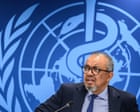
The World Health Organization (WHO) has urged Russia to provide timely, complete, and transparent information to clarify conflicting reports and assess potential public health risks. The WHO Director-General, Tedros Adhanom Ghebreyesus, noted that the organization does not yet have the full picture of the event and is seeking verification of media reports regarding a second employee who reportedly developed pneumonia of undetermined cause. In response, Kremlin spokesperson Dmitry Peskov stated that the “vast majority” of media reporting on the situation is false information, insisting that official details should be derived solely from statements by Rospotrebnadzor. Russia has formally dismissed reports of a second case.

US President Donald Trump has stated that a call with Russian President Vladimir Putin is scheduled to discuss the incident. Trump expressed skepticism that the event involves a bioweapon but highlighted concerns about the transmissibility and virulence of the plague. He remarked that while the disease was historically controllable, current strains may be more resilient to existing treatments. US officials, including Secretary of State Marco Rubio, have noted that Russian authorities have shared limited information regarding the infected technician and broader concerns. The United States has issued a formal diplomatic message requesting additional information, a request the Kremlin spokesperson said he was not aware of.
Pneumonic plague is a severe lung infection and is considered the most virulent form of the disease. It is distinct from other forms of plague in its potential for rapid transmission via respiratory droplets. However, without confirmed laboratory results, it is premature to declare an outbreak. The current situation remains an investigation into a single fatal case with an undefined etiology. Public health officials emphasize the importance of distinguishing between suspected cases and confirmed diagnoses, particularly given the historical significance of the disease.
International bodies and Western governments have emphasized the need for data transparency to monitor the situation effectively. The lack of concrete, independently verified medical data has led to a disparity between official Russian statements, which characterize the situation as under control, and external assessments that call for further verification. The WHO continues to request specific data on laboratory tests conducted on the deceased individual to determine the precise cause of death and to rule out or confirm the presence of Yersinia pestis.
The next step in the process involves the completion of the Russian investigation and the potential release of detailed epidemiological data. Until the etiology of the pneumonia is confirmed, the case remains classified as an unexplained death in a high-risk biological research environment. The international community will monitor for any further cases or official confirmations from Russian health authorities.