Despite the adversarial atmosphere, officials from both nations have maintained that a diplomatic solution remains the preferred path forward. Before departing for Geneva, Araghchi stated that a “fair, balanced and equitable deal” was within reach. He reiterated a core position of the Iranian government: that while Tehran is not seeking an atomic weapon, it is not prepared to relinquish its “right to peaceful use of nuclear technology.” This stance underscores the central friction point in the negotiations, where Iran views its nuclear program as a matter of sovereign right and technological sovereignty, while the United States views any potential nuclear capability as an existential security threat.
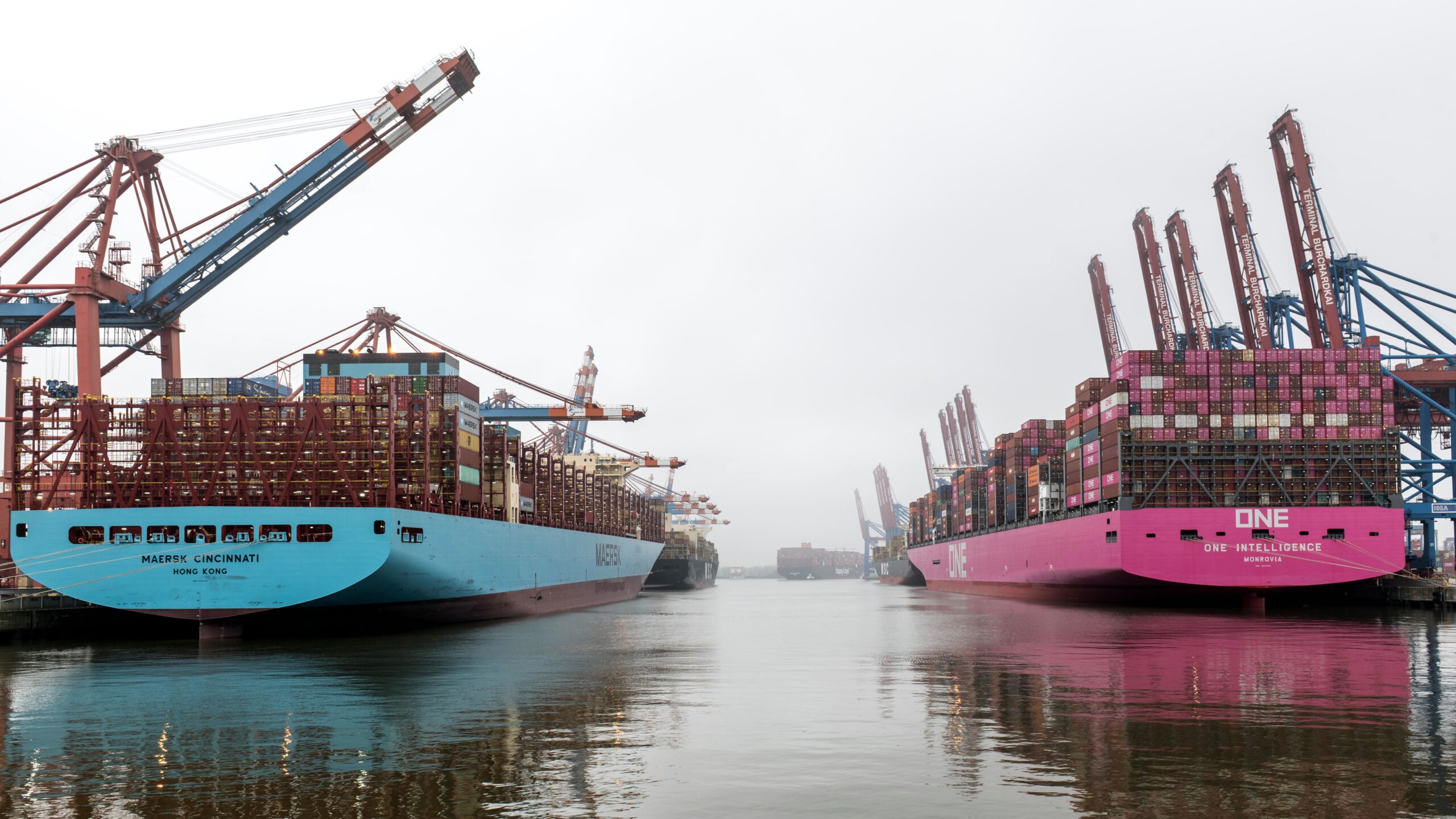
The diplomatic efforts are occurring simultaneously with a significant escalation in economic pressure. The United States announced new sanctions aimed at disrupting the infrastructure of Iran’s oil sector, specifically targeting vessels involved in the transport of Iranian crude. These measures are part of a broader strategy to apply maximum economic pressure on Tehran, seeking to force concessions from the negotiating table. The timing of these sanctions—released just as the foreign ministers convened in Geneva—highlights the dual-track approach Washington has adopted: engaging in dialogue while simultaneously raising the cost of non-compliance.
In Washington, the rhetoric accompanying these diplomatic and economic actions has been firm. US Vice President JD Vance addressed reporters at the White House, accusing Iran of attempting to rebuild its nuclear program following US military strikes on Iranian nuclear sites in June of last year. Vance asserted that evidence indicated Tehran had engaged in such activities, stating, “The principle is very simple: Iran can’t have a nuclear weapon. If they try to rebuild a nuclear weapon, that causes problems for us. In fact, we’ve seen evidence that they have tried to do exactly that.”
Vance emphasized that President Donald Trump’s administration intended to address these concerns diplomatically but cautioned that “other options” remained on the table. This warning aligns with the visible buildup of US military assets in the region, which serves as a tangible display of the consequences that would follow if diplomatic channels were to fail. The juxtaposition of Vance’s statements with the arrival of Araghchi in Geneva illustrates the delicate balance the US is attempting to strike: maintaining credible deterrence while leaving the door open for a negotiated settlement.
The facilitation of these talks by Oman adds a layer of regional diplomacy to the direct US-Iranian standoff. Omani officials have historically played a crucial role in de-escalating tensions between the two adversaries, providing a neutral channel for communication when direct talks are suspended. The involvement of Omani Foreign Minister Badr Albusaidi in meeting Araghchi prior to the main session suggests that regional stakeholders are actively working to ensure the process does not collapse under the weight of recent retaliatory actions and sanctions.
For Iran, the stakes are high. Accepting a deal that curtails its nuclear ambitions could be viewed domestically as a concession, while rejecting the US position risks further economic isolation and potential military conflict. The new sanctions on the oil trade aim to tighten the noose economically, making the status quo increasingly untenable for Tehran. Conversely, the US faces the challenge of defining what constitutes a “balanced” deal that satisfies its security requirements without appearing to capitulate to Iranian demands for recognition of its nuclear rights.
As the third round of talks proceeds in Geneva, the focus will be on whether the parties can bridge the gap between their stated positions. Araghchi’s confidence in reaching a fair agreement stands in contrast to the US administration’s emphasis on evidence of Iranian nuclear rebuilding and the threat of military force. The outcome of these negotiations will likely determine the trajectory of US-Iranian relations in the coming months, with the potential for either a significant de-escalation or a further intensification of the geopolitical confrontation in the Middle East.