
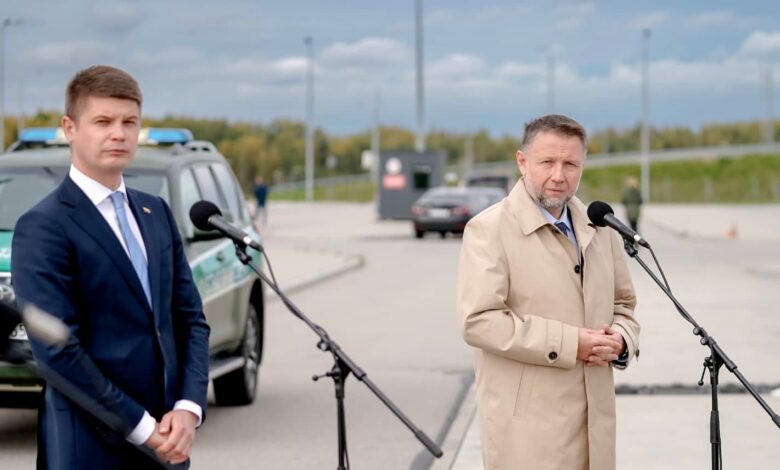
The plan was discussed on Monday at the Budzisko-Kalvarija border crossing, where Lithuanian Interior Minister Martynas Katelynas and his Polish counterpart, Marcin Kierwiński, outlined the logistics of a large-scale civilian movement. Katelynas stated that the framework anticipates the evacuation of approximately one million refugees, potentially more, from the Baltic countries to Polish soil.
“In crisis situations, it is best to cooperate. It is best to prepare such plans through mutual understanding, thus attempting to address potential situations,” Katelynas said. “As for this crossing here, this place that connects us with Poland, this plan foresees approximately one million, and perhaps even more, refugees who will be able to be evacuated from our countries in the event of war.”
This operational readiness follows a significant mobilization exercise concluded last week in Lithuania. For the first time, the drill included elements specifically testing cross-border civilian evacuation routes to Poland. While thousands of Lithuanian officials participated, a 20-person team from the Polish interior ministry joined the exercise, signaling a tangible shift from theoretical planning to practical coordination between the two military and civil defense establishments.
The three Baltic states—Lithuania, Latvia, and Estonia—are widely regarded as primary potential targets for Russian military action. NATO officials, including those from Poland, have recently warned of the increased likelihood of Moscow conducting provocations against the alliance’s eastern flank. The joint evacuation plan represents a strategic acknowledgment that in the event of conflict, the immediate preservation of civilian populations may require cross-border relocation rather than solely in-country sheltering.
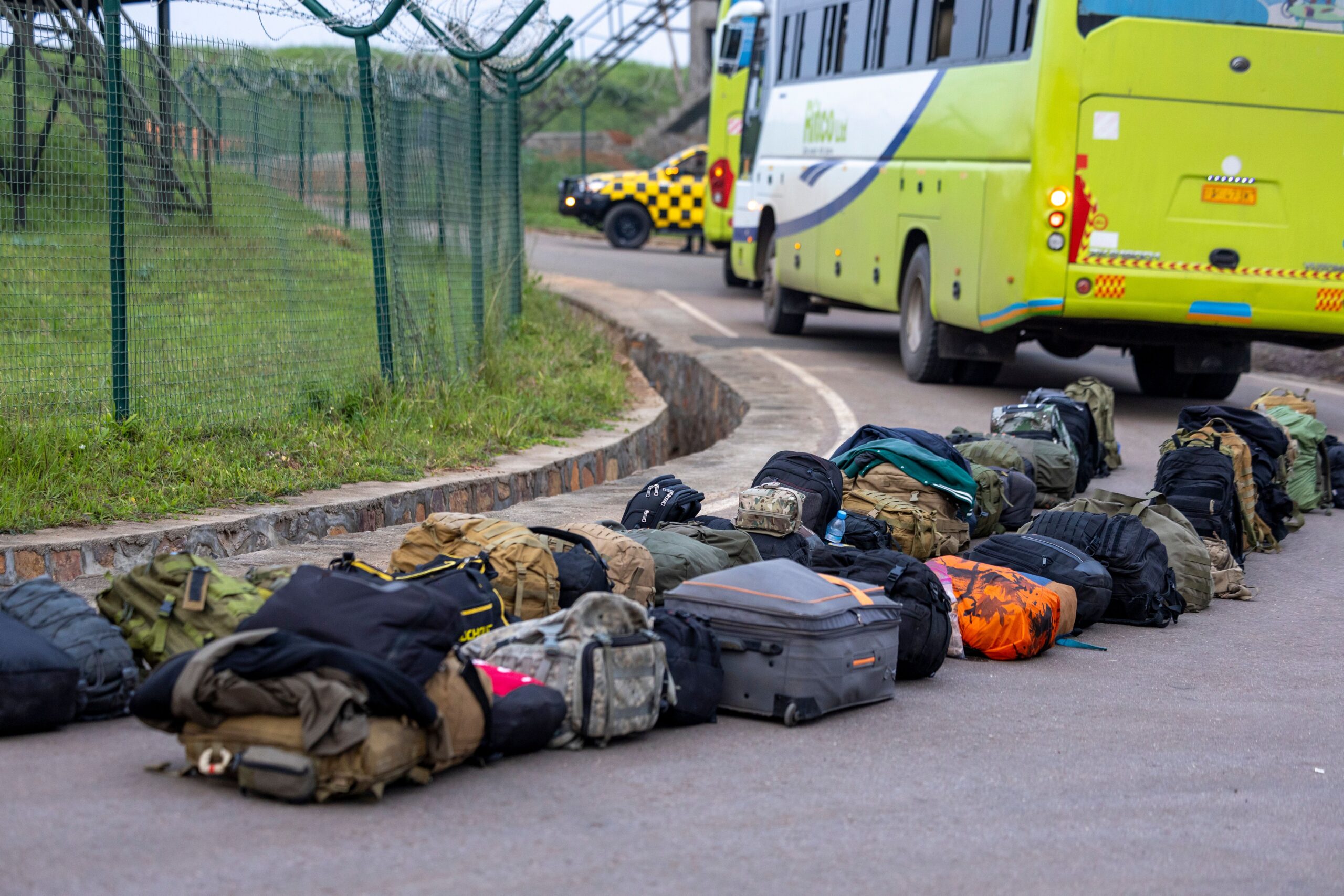
The development in Baltic civil defense occurs simultaneously with significant uncertainty regarding the U.S. military presence in the region. President Donald Trump announced on Truth Social that the United States will send an additional 5,000 troops to Poland, citing the successful election of Polish President Karol Nawrocki and the strengthened bilateral relationship.
“Based on the successful Election of the now President of Poland, Karol Nawrocki, who I was proud to Endorse, and our relationship with him, I am pleased to announce that the United States will be sending an additional 5,000 Troops to Poland,” Trump wrote.
However, this announcement has created confusion among European allies. Over recent weeks, the Trump administration has indicated a reduction in its European military footprint by approximately 5,000 troops. U.S. officials confirmed that about 4,000 service members were no longer deploying to Poland. The juxtaposition of a stated reduction with a newly announced increase of 5,000 troops leaves the net change in U.S. force posture in the region ambiguous. European partners, who have been blindsided by previous shifts in policy, are now grappling with unclear signals about the long-term reliability of the American security guarantee.
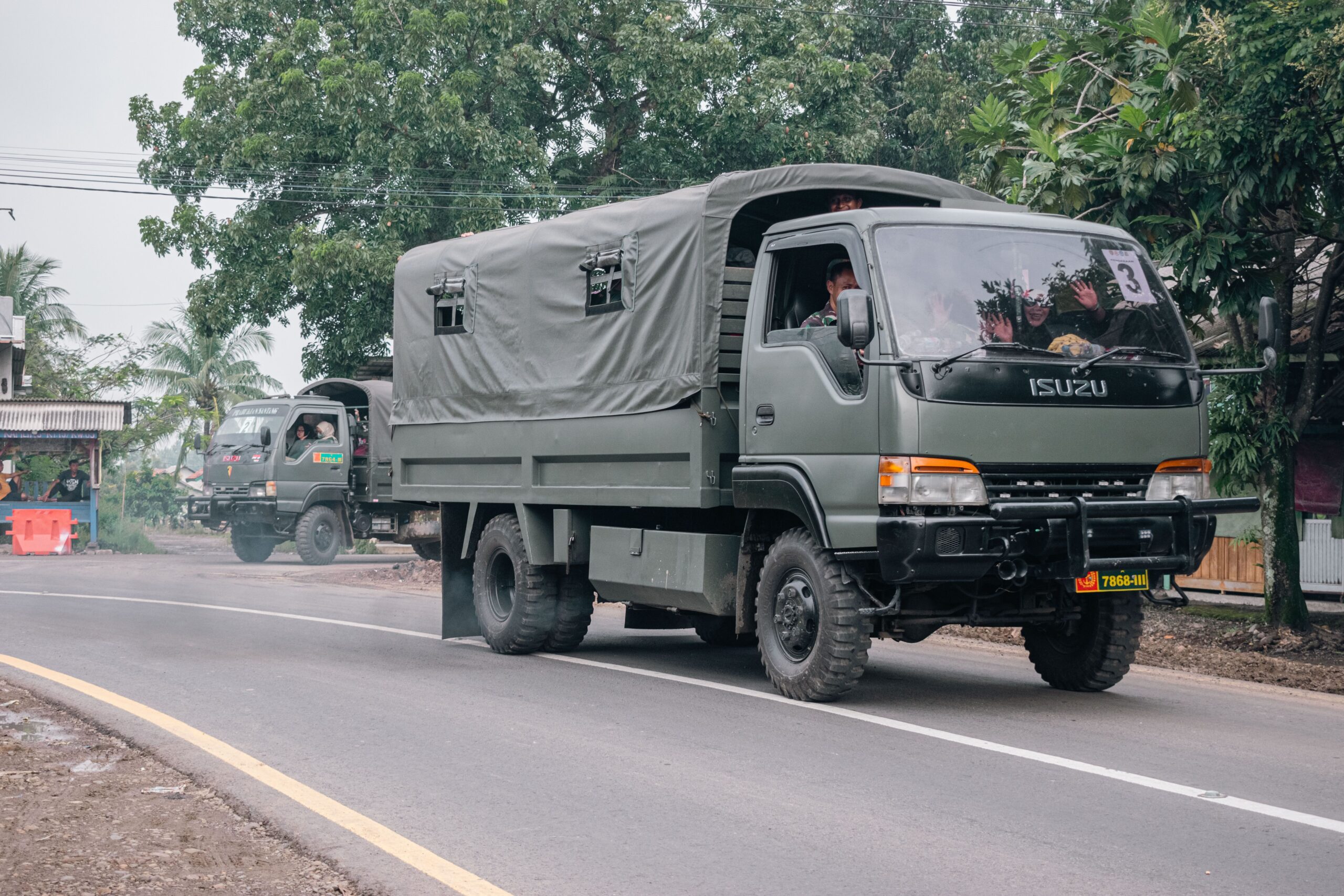
The administration has previously complained about NATO members not shouldering enough of the burden of their own defense and failing to provide adequate support in the Iran war. The current situation in Poland, where both a massive civilian evacuation plan is being finalized and the scale of U.S. troop deployment remains in flux, highlights the dual-track nature of regional security: the physical preparation for high-intensity conflict by local actors, and the diplomatic and strategic maneuvering regarding alliance commitments.
While the evacuation plan is a confirmed operational framework, the actual deployment of the additional 5,000 U.S. troops remains an announced intent rather than a completed logistical reality. The discrepancy between the administration’s earlier reduction plans and the new announcement adds a layer of complexity to the security environment in Central and Eastern Europe. As the Baltic states refine their civil defense capabilities, the clarity of allied military commitments will be a critical factor in regional deterrence.
The next phase of this development will likely involve further technical coordination between Polish and Lithuanian authorities to operationalize the evacuation logistics, as well as official U.S. Department of Defense clarifications on the net troop levels stationed in Poland. The resolution of these questions will determine whether the region’s security architecture is reinforced by a stable, predictable alliance presence or left to rely more heavily on the independent preparedness of its eastern members.