
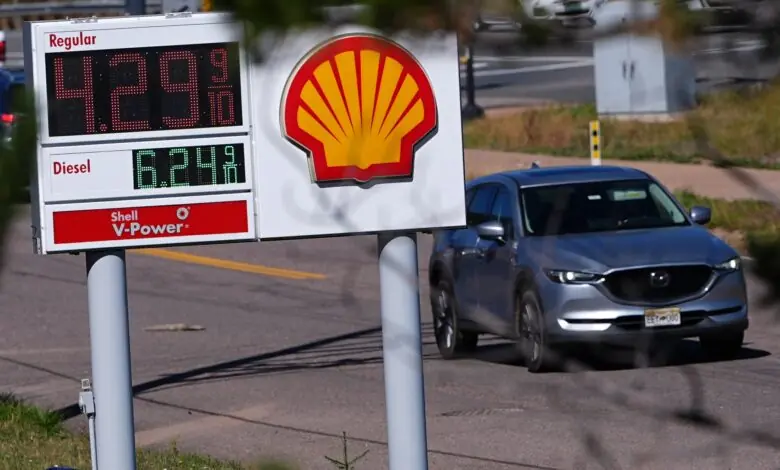
Despite the scale of the new supply commitment, energy policy experts express significant doubt that the pact will materially lower the cost of diesel for American consumers. The national average price for a gallon of diesel in the U.S. reached a record high of $6.53 on September 22, according to motor club AAA data. As of Friday, the average price stood at nearly $6.28 per gallon, a sharp increase from almost $3.68 a year prior. Diesel prices have also hit record highs in Europe, reflecting a broader global energy shock.
The surge in diesel costs has direct implications for the price of everyday goods, as the fuel powers a significant portion of freight and delivery networks. Businesses have already begun passing higher costs to consumers through added fees on online orders and mail packages. The impact is particularly acute for perishable foods, such as meat and produce, which require frequent hauling and restocking, or are harvested using farm equipment powered by diesel. Food experts and economists warn that this global run-up in diesel prices will likely result in higher grocery costs for consumers heading into the winter months.

Michael Lynch, a distinguished fellow at the Energy Policy Research Foundation, characterized the deal as “shuffling deck chairs on the Titanic.” Lynch argues that if Russia supplies diesel to the U.S., its existing customers must source fuel from elsewhere, keeping global prices stable rather than reducing them. “The best you could hope for is a tiny dip in prices locally in places like the New York-New Jersey area, Philadelphia maybe,” Lynch said. “It just means that the oil is just going to be shuffled around and it’s not really going to change the price globally or across the U.S.”
The limited impact of the deal is largely attributed to structural constraints in global refining capacity. Daniel Sternoff, a senior fellow at the Columbia Center on Global Energy Policy, noted that disruptions in the Strait of Hormuz due to the ongoing U.S.-Iran war have removed a substantial amount of refining capacity from the world market. “Refined products like diesel are still barely half of prewar levels,” Sternoff said. Consequently, even if Russia successfully increases its exports, the additional supply will likely only take the edge off prices rather than substantially lower them.

While the agreement may not provide significant relief to U.S. consumers, it offers a tangible benefit to Russia. Clayton Seigle, an energy strategist at the Center for Strategic and International Studies, explained that Russia had moved to ban diesel exports in July following Ukrainian drone strikes on its refineries. If Russia now believes it can resume exports, it can utilize the U.S. market to offload its summer-grade diesel in exchange for the heavier winter and arctic grades it requires for the coming months. “I don’t think it’ll be enough to materially lower prices in the United States or Europe, but it does certainly let Moscow off the hook in terms of revenue squeeze,” Seigle said.
The high cost of diesel has intensified political pressure on the administration and the Republican Party to address surging prices ahead of the November 3 midterm elections. The President’s approval ratings on the economy have hit a new low, a trend correlated with the dual impact of the Iran war and ongoing trade battles, which have increased prices for oil and other goods. As the U.S. navigates this complex energy landscape, the primary economic risk remains the sustained elevation of refined product prices due to the continued unavailability of Middle Eastern refining capacity.