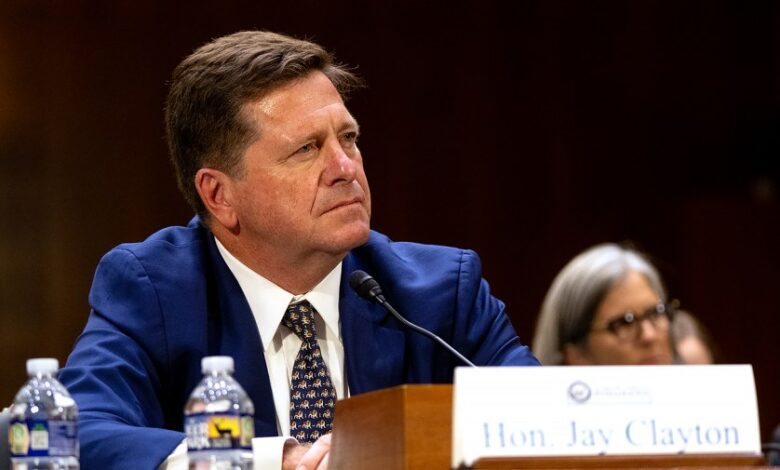
The catalyst for this operational shift is a declassified intelligence memo dated Friday, which provides the factual backbone for the diplomatic retreat. Addressed to Secretary of State Marco Rubio from Director of National Intelligence Jay Clayton, the document states that Iranian plots to target and kill U.S. officials in the region have “substantially increased.” The memo further specifies that these efforts are reportedly reaching “advanced stages.” This language moves the threat from a theoretical risk to an imminent operational danger, prompting the State Department to act swiftly. The timing is critical; the order for personnel to depart came days after the intelligence assessment was finalized, suggesting a rapid decision-making process driven by the severity of the threat level.
The scope of this development extends beyond a single location. The official statement confirms that staffing adjustments are occurring at embassies “across the Middle East.” This geographic breadth indicates that the threat perception is not isolated to one capital but is a regional concern. While the sources do not list specific countries or the exact number of personnel involved, the use of the plural “embassies” and the reference to “diplomatic personnel” implies a coordinated, multi-site withdrawal. This contrasts with typical security incidents that might result in localized lockdowns or the evacuation of a single mission. Here, the response is systemic, reflecting a broadening of the perceived danger zone.
Underlying the Iranian state-sponsored threats is the presence of non-state actors, specifically Houthi militants in Yemen. The American official cited threats from these militants as a contributing factor to the staffing adjustments. This dual-threat environment—state-level plotting by Iran and proxy-level aggression by the Houthis—creates a complex security landscape. It suggests that the U.S. is facing a multi-vector threat that complicates diplomatic presence and potentially affects the broader economic and political stability of the region. For businesses and workers in the Middle East, this heightened tension introduces uncertainty. While the sources do not provide specific data on trade volumes or business confidence indices, the withdrawal of diplomatic staff is a tangible indicator of reduced normalcy and increased risk. Diplomatic missions often facilitate trade agreements, regulatory coordination, and investor confidence; their scaling back can have ripple effects on economic activities in the host countries.
The nature of the threat described in the DNI memo is notable for its specificity regarding intent and capability. The phrase “target and kill U.S. officials” indicates a focus on high-value targets, which raises the stakes for all U.S. personnel in the region. The term “substantially increased” provides a qualitative measure of the escalation, though it lacks a quantitative baseline. However, the progression to “advanced stages” suggests that these plots are not in the conceptual phase but are in a preparatory or execution-ready state. This level of detail in an intelligence memo, even when declassified for public awareness, serves as a strong signal to both allies and adversaries about the U.S. assessment of the current security environment.
It is important to distinguish between the official action and the underlying intelligence. The State Department’s order is the observable outcome: personnel are leaving, and staffing is being adjusted. The intelligence memo is the explanatory factor: it provides the “why” behind the “what.” The two sources, Bloomberg and Thehill, align on the core facts. Both report the order for departure, the involvement of Iranian threats, and the role of Houthi militants. Thehill adds the specific detail of the memo’s addressees (Rubio and Clayton) and the exact date (Friday), which helps establish the timeline. Bloomberg emphasizes the official nature of the report, citing an American official, which lends credibility to the operational details. There is no contradiction between the sources; rather, they complement each other, with one providing the operational news and the other providing the intelligence context.
The implications of this development for the near term are clear: a reduction in U.S. diplomatic presence in the Middle East. This may lead to a temporary pause in certain diplomatic engagements or a shift to remote or alternative channels of communication. For the local populations and businesses, the visible change in embassy staffing could signal a period of heightened caution. While no specific economic data is provided in the sources, the general principle in international relations and economics is that political instability and security threats often correlate with reduced investment and trade activity. The withdrawal of diplomats is a visible marker of this instability, potentially affecting not just U.S. interests but the broader regional confidence in stability.
The role of the Houthi militants in Yemen adds another layer of complexity. Yemen has long been a focal point of conflict, and the involvement of the Houthis in threatening U.S. personnel links the broader Middle Eastern security situation to the specific dynamics of the Yemeni conflict. This connection suggests that the threats are not siloed but are part of a larger, interconnected network of hostilities. The U.S. response, therefore, must account for both the state actor (Iran) and the non-state actor (Houthis), requiring a comprehensive security strategy that extends beyond traditional diplomatic channels.
As the U.S. adjusts its staffing levels, the focus shifts to the next steps in this escalating situation. The declassified memo serves as a public acknowledgment of the threat, which may influence the actions of other countries and international organizations. The near-term outlook is one of heightened vigilance and reduced diplomatic capacity in the region. The specific destinations of the withdrawn personnel and the exact timeline for their return are not specified in the sources, leaving room for speculation but also highlighting the uncertainty of the situation. The key metric to watch will be whether this withdrawal is a temporary measure or the beginning of a longer-term reduction in U.S. presence, and how the regional actors respond to this change in diplomatic posture.
The story returns to the empty offices and reduced staff at the embassies, a physical manifestation of the intelligence-driven decision. The next critical development will be any further intelligence updates or diplomatic engagements that might clarify the scope and duration of this withdrawal. The economic and political ramifications will likely unfold as the region adjusts to this new security reality, with the U.S. balancing its need to protect its personnel against the desire to maintain its diplomatic and economic influence in the Middle East.