
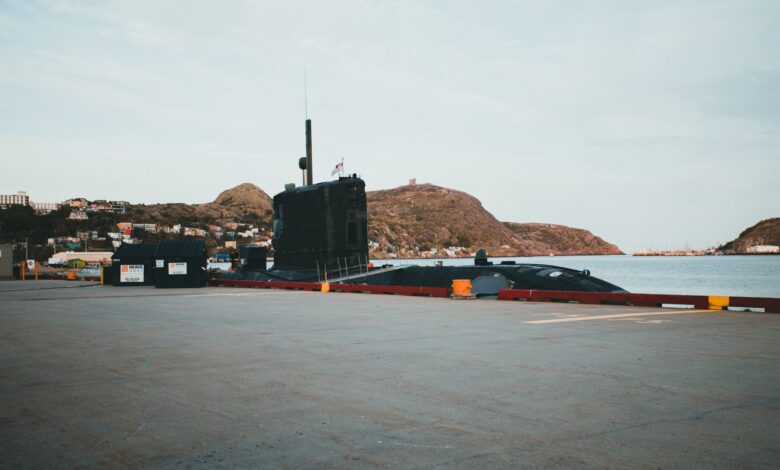
In the architecture of modern geopolitics, the number of ballistic missile submarines (SSBNs) deployed at sea is a critical metric of a nation’s strategic posture. The United Kingdom maintains a policy of continuous at-sea deterrent, typically keeping at least one, and often more, of its submarines on patrol at any given time. The current configuration, with three of the four available vessels operating, suggests a level of sustained deployment that aligns with standard defense protocols but also reflects the broader tensions in global security environments.
The Vanguard-class submarines are the backbone of the UK’s nuclear forces. Each vessel is capable of carrying Trident II D5 ballistic missiles, which have a range sufficient to strike targets across the globe. The accuracy and survivability of these platforms are central to the credibility of the UK’s deterrence. By maintaining multiple submarines at sea, the UK complicates the targeting calculations of potential adversaries, as the precise location of the deterrent force is classified and difficult to track.
The decision to deploy three submarines simultaneously involves balancing operational requirements with maintenance cycles. Submarines in service must undergo periodic refueling and refit, a process that can take years. Therefore, the number of boats available for deployment fluctuates based on the shipyard schedule at Rosyth, where the Vanguards are based. The current deployment status implies that the remaining one submarine is likely in port, undergoing maintenance or preparation for its next patrol.
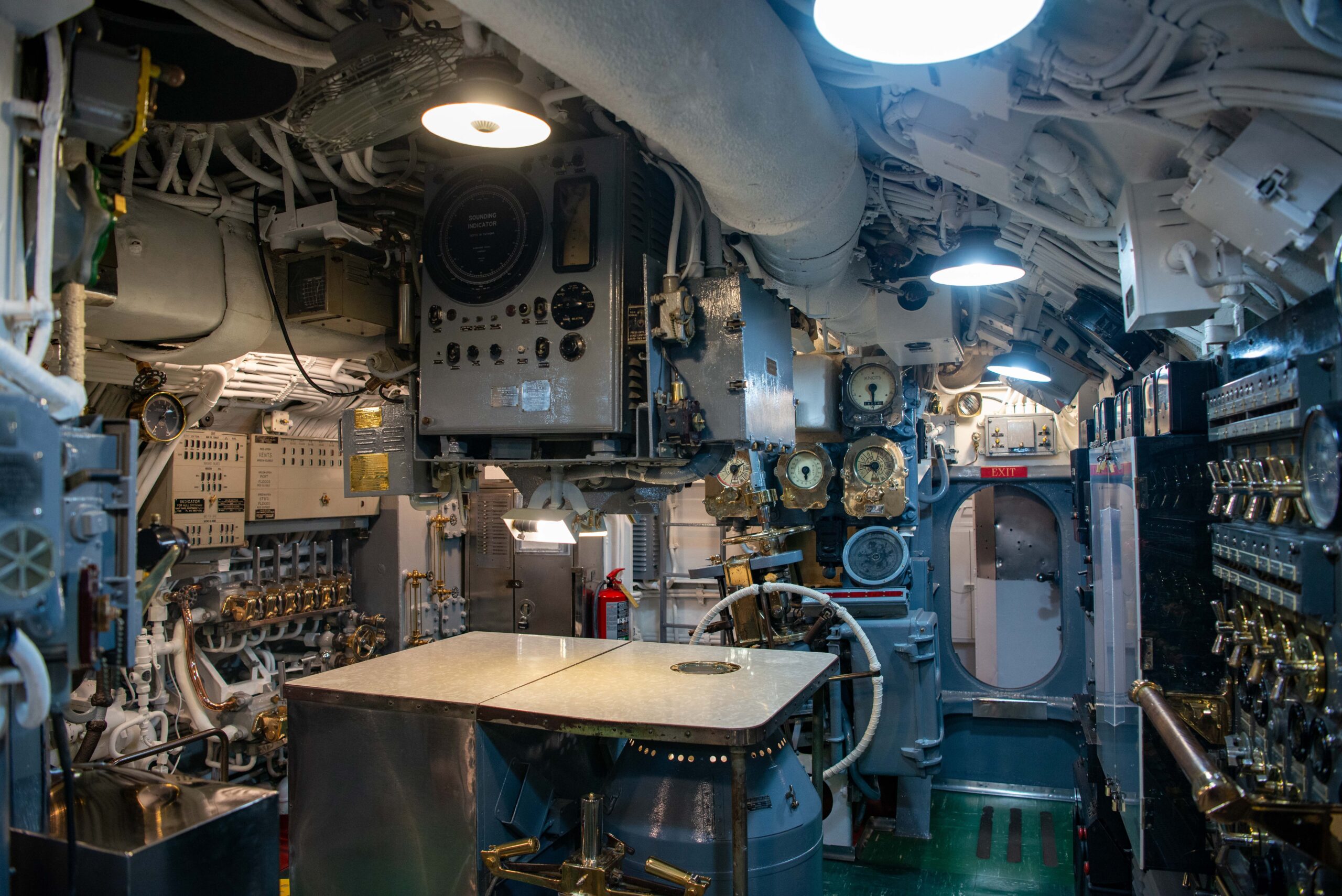
This operational state is not merely a logistical detail but a signal to both allies and adversaries. In a period of heightened geopolitical uncertainty, the visible readiness of the nuclear fleet serves as a stabilizing factor in the broader strategic balance. The UK’s commitment to updating its nuclear arsenal, including the development of the next-generation Dreadnought-class submarines, further reinforces this posture. The transition period between the Vanguard and Dreadnought fleets is a complex undertaking that requires careful planning to ensure there is no gap in the deterrent capability.
The presence of three submarines at sea also reflects the UK’s role in the broader Atlantic alliance. As a key member of NATO, the UK’s nuclear forces contribute to the collective security of the alliance. The interoperability and coordination with the United States, particularly regarding the Trident system, are vital to the effectiveness of the deterrent. The shared responsibility for the nuclear arsenal, with the US providing the missiles and the UK providing the delivery platforms, creates a deep strategic partnership that has endured for decades.
However, the maintenance of such a fleet is resource-intensive. The cost of building, operating, and maintaining nuclear submarines is substantial, and the long-term sustainability of the deterrent is a subject of ongoing debate within the UK. Questions about the value of the nuclear arsenal in an era of emerging technologies and shifting threat landscapes continue to be raised by various political and public figures. Despite these debates, the current deployment of three submarines at sea indicates a firm commitment to the deterrent by the UK government.
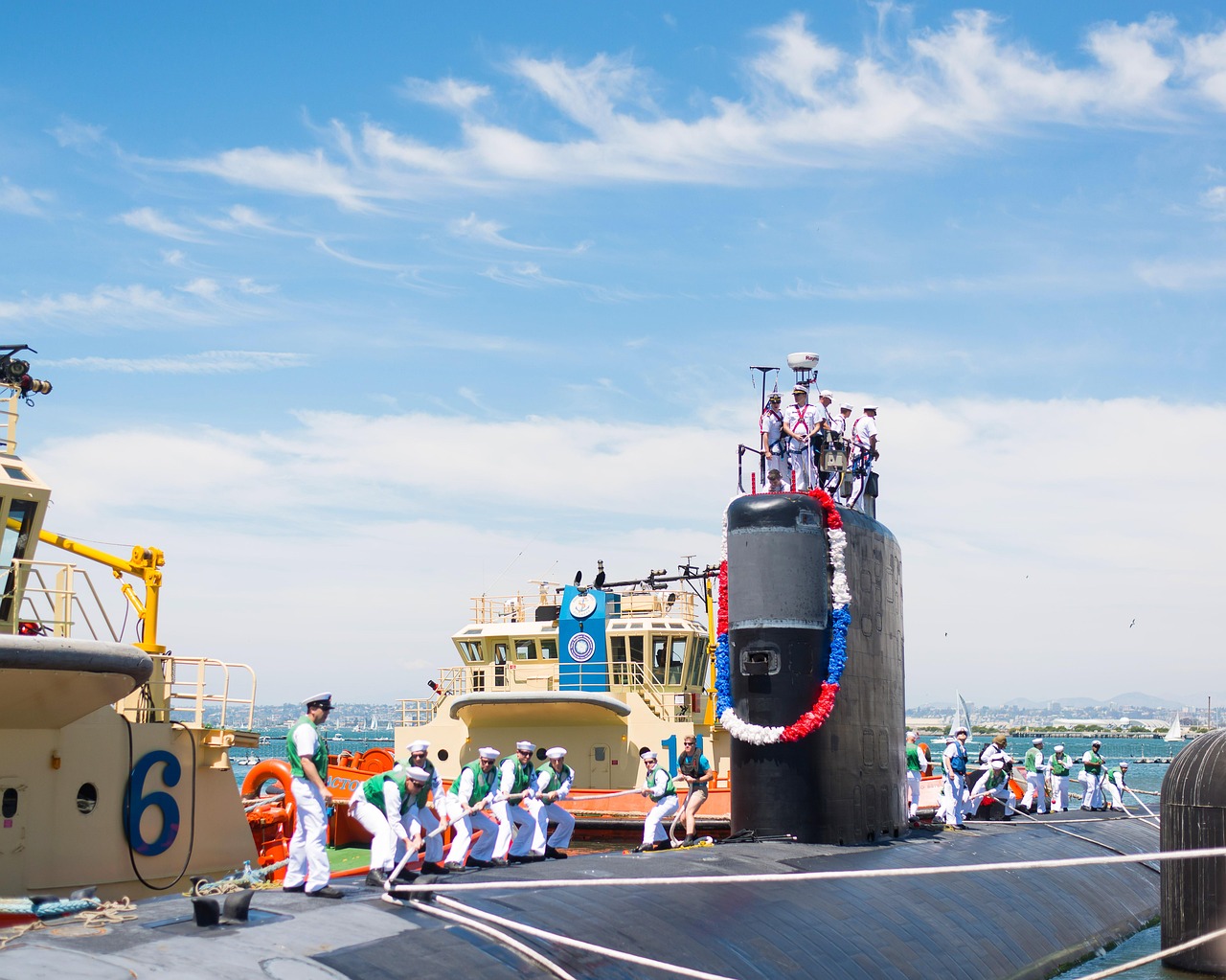
The strategic implications of this deployment extend beyond the immediate military context. In a world where conventional military capabilities are increasingly contested, the nuclear deterrent remains the ultimate backstop. The fact that three of the four submarines are at sea suggests that the UK is prioritizing the availability of its strategic assets, ensuring that a significant portion of the fleet is ready for immediate operation if required.
As the UK navigates the complexities of its foreign and defense policy, the status of its nuclear submarines remains a key indicator of its strategic priorities. The current deployment, with three vessels at sea, reflects a balance between operational readiness, maintenance requirements, and the broader geopolitical environment. The next phase of the UK’s nuclear strategy will depend on the successful completion of the Dreadnought program and the continued commitment to maintaining a credible and effective deterrent.
In the end, the presence of three Vanguard-class submarines at sea is a testament to the enduring nature of the UK’s nuclear policy. It is a quiet but powerful signal of the country’s resolve to maintain its strategic capabilities in a rapidly changing world. The unresolved tension between the need for readiness and the challenges of maintenance and cost will continue to shape the future of the UK’s nuclear deterrent, but for now, the fleet remains a significant factor in the global balance of power.