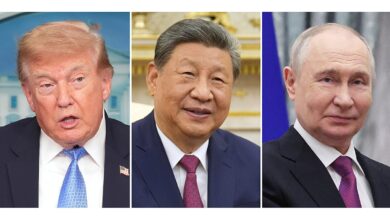
The remarks come as the conflict, now approaching its fifth year, sees a shift in diplomatic dynamics. Russian, Ukrainian, and U.S. officials met in Abu Dhabi this week for the first time in nine months. Following those meetings, U.S. envoys Steve Witkoff and Jared Kushner traveled to Moscow to meet Putin and subsequently met Ukrainian President Volodymyr Zelensky in Dublin. Zelensky welcomed the efforts by Kushner and Witkoff to bring the European Union into the next round of discussions, stating that the U.S. side had succeeded in securing European involvement.
However, Peskov maintained that no concrete discussions have taken place regarding pre-negotiation contacts between Moscow and Europe. When asked about potential interlocutors, including French President Emmanuel Macron, Peskov declined to comment, noting that reports name “completely different candidates” and that Moscow is not in a position to say anything specific. He also refused to address whether EU foreign policy chief Kaja Kallas would represent the bloc, a figure who has frequently questioned Russia’s good faith and led the imposition of successive sanctions waves against Moscow.

Disagreement over representation has become a focal point of the diplomatic standoff. In Dublin, where an informal EU summit is being held, Kallas asserted that it is not up to Russia to dictate who represents the EU in peace talks. “They don’t want anybody strong on the other side,” Kallas said, arguing that the EU should not copy the U.S. model of using two hand-picked envoys but instead rely on an official with a defined institutional role. Kallas emphasized that EU leaders appointed her as High Representative in June 2024 with the understanding that negotiations with Russia would eventually occur, and she urged the focus to remain on the substance of the peace deal rather than the identity of the negotiator.
German Chancellor Friedrich Merz addressed the same concerns in Dublin, warning the United States against “surprises” in the negotiation process. Merz expressed fears among European leaders that the current trajectory could mirror the “second moment of Anchorage,” referencing the earlier summit between U.S. President Donald Trump and Putin. “We want to clearly express our message to the United States: please, no surprises,” Merz said, urging Washington to continue acting as part of the “European team” and the “Ukrainian team.” Merz stated that Germany is a “guaranteed participant” in the upcoming talks, which he expects to begin within the coming weeks with the first formal involvement of European states.
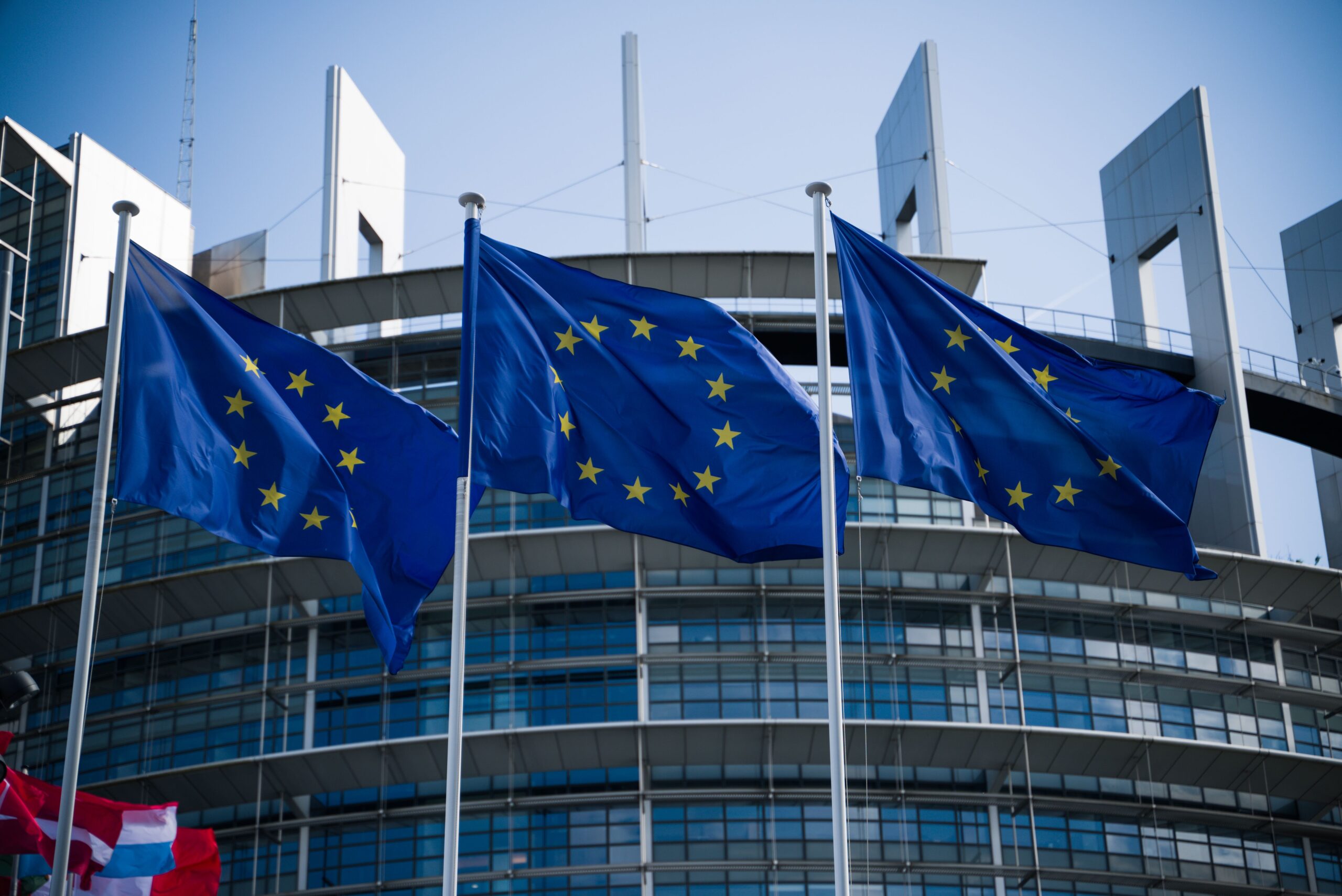
Merz rejected Russia’s proposal to center negotiations on a new European security architecture, arguing that such a structure already exists in the form of NATO. He stated that future discussions should focus on the central question of how to guarantee Ukraine’s security after peace is achieved, noting that the agreement on security guarantees must come after the cessation of hostilities. Meanwhile, reports indicate that the U.S. has asked Russia to submit a new proposal for a security agreement with Europe that includes steps to de-escalate tensions, while the Russian Foreign Ministry has proposed a new security architecture based on non-aggression pacts with NATO members. The next expected development is the formal scheduling of the expanded round of talks, contingent on Moscow’s final decision regarding European inclusion.