The closure is a direct response to an incident on Saturday night, when Estonia’s Internal Security Service (Kapo) detained eight suspects after they attempted to set fire to and detonate explosives at the Threod Systems facility. Chief Prosecutor Astrid Asi stated that the individuals were based in Latvia. Prime Minister Kristen Michal described the event as part of Russia’s “broader hybrid war against Europe,” aimed at decreasing support for Ukraine. Threod Systems produces reconnaissance and attack drones, with Ukraine and NATO member states listed as customers on its website. Michal noted that “extensive damage was averted thanks to heightened security measures” at the plant.
The economic and logistical implications of the decision are significant. Estonia’s three border crossings currently account for more than 60% of Russians’ overland trips to Europe. These routes represent some of the last remaining overland transit links between Russia and the EU. Tsahkna stated that closing the crossings will “reduce Russia’s ability to conduct hostile activities in Estonia and strengthen our efforts to prevent sanctions circumvention.” The decision is expected to be finalized in legislation next week, according to local media. While the immediate impact on household budgets within Estonia may be limited compared to wider inflationary pressures, the closure will complicate life for families that live on either side of the border, severing personal and commercial ties that have persisted despite the geopolitical rupture.
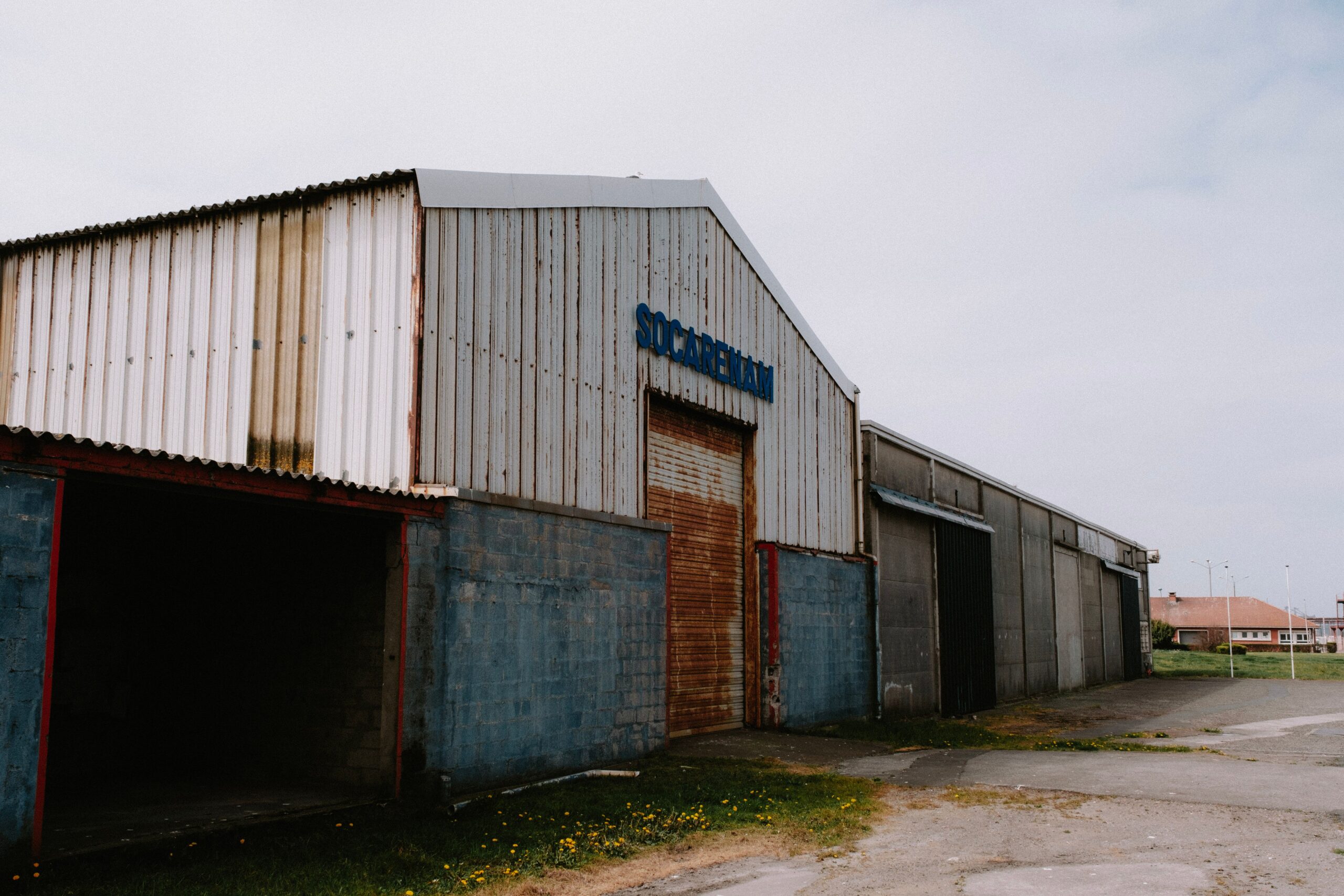
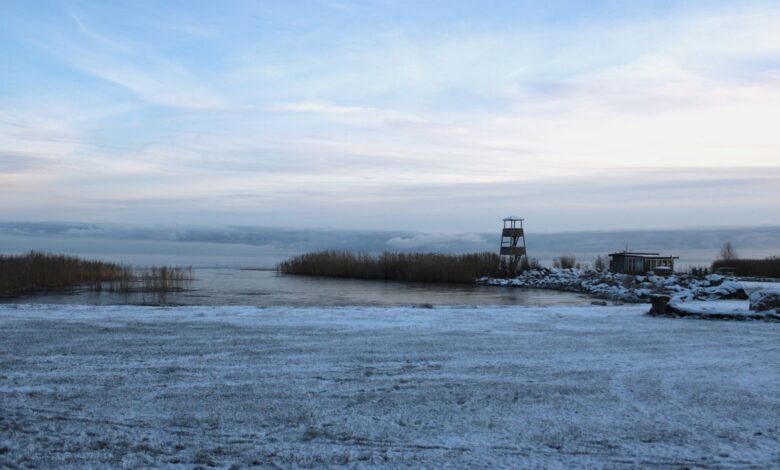
For businesses and travelers, the shift marks a hardening of the border that had already been subject to restrictions. One of the crossings is located at Narva, Estonia’s third-largest city, situated on the western bank of the River Narva, with Russia on the eastern bank. The closure effectively ends the possibility of casual or commercial overland movement through this corridor. Tsahkna did not specify how long the closure would remain in effect, leaving uncertainty for those who rely on these routes for trade or family visits. The move aligns with a broader pattern of security tightening in the Baltic region, where leaders have repeatedly accused Russia of hybrid attacks and raised fears about Kremlin territorial ambitions.
Moscow has rejected the Estonian government’s claims with forceful rhetoric. Kremlin spokesperson Dmitry Peskov called the accusations “entirely baseless,” stating on Monday: “We do not accept them, we do not condone them, we disagree with them, and we completely reject these accusations.” Peskov characterized the decision to close all checkpoints as Estonia “building a wall,” arguing that “many countries have built walls, which have brought nothing good to those who erected them.” Russian Foreign Ministry spokeswoman Maria Zakharova told the state-run TASS news agency that the closure would amount to “yet another bout of aggressive and unbridled Russophobia.”
The incident at Threod Systems is not an isolated event in the region’s recent history. In August, Estonia arrested Latvian nationals following a similar attempted arson attack against Milrem, another Tallinn-based defense subcontractor. In October, Lithuania reinforced troop deployments along the western Russia’s Kaliningrad region after a border breach in Latvia involving armed and masked intruders. Earlier this month, Polish Prime Minister Donald Tusk accused Russia of staging a border provocation near the Kaliningrad region. Other major backers of Ukraine, including France, Germany, the UK, and Poland, have also stated that Russia has orchestrated attacks on their soil in recent months. In the UK, six men were jailed last year over an arson attack linked to Russia at a London warehouse where aid bound for Ukraine was being stored.
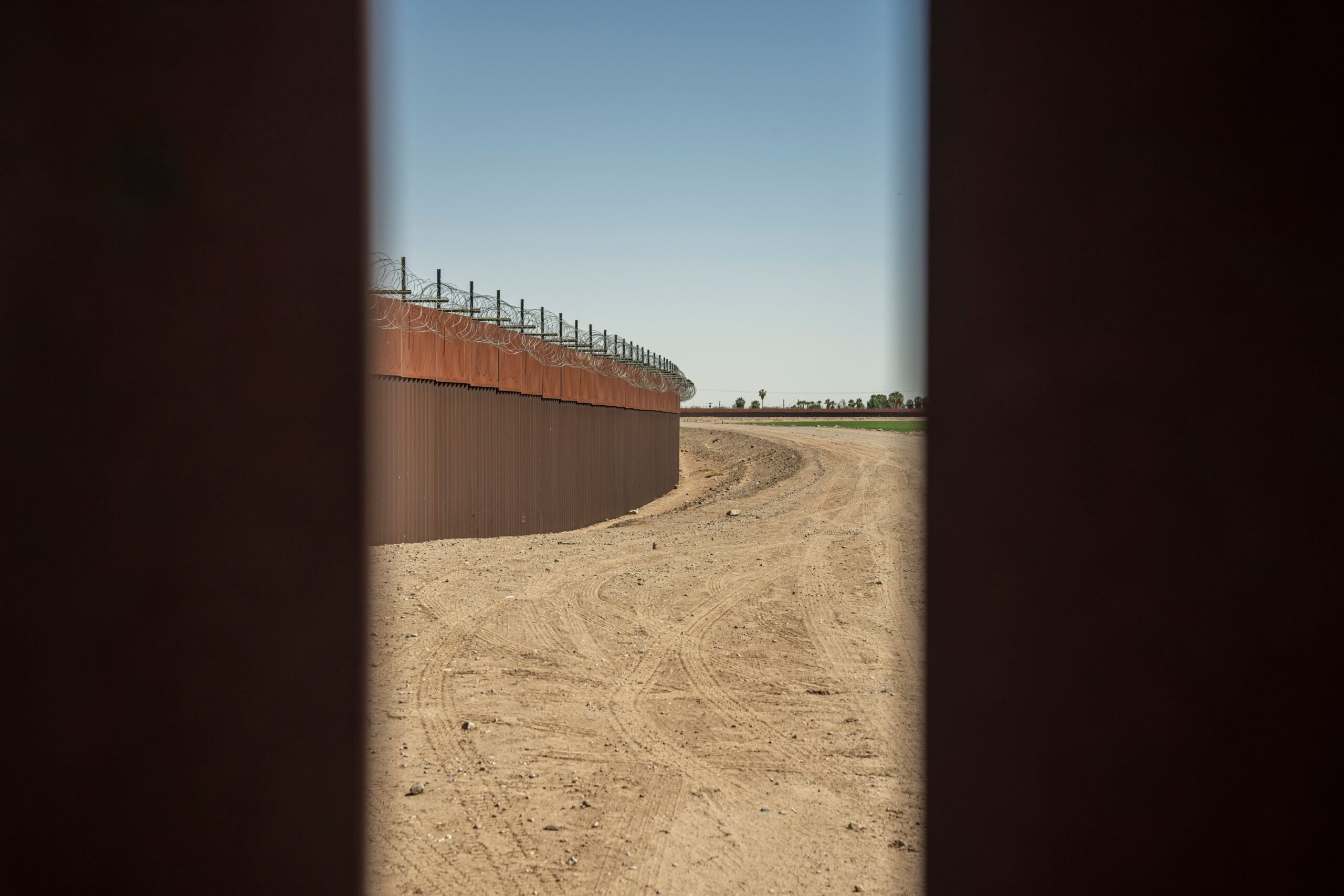
Analysts and officials view this escalation through the lens of broader geopolitical strategy. The closure is framed by Tallinn not just as a security measure, but as an economic tool to tighten sanctions enforcement. By cutting off the overland link, Estonia aims to make it harder for goods and people to bypass EU restrictions. However, the long-term economic impact on trade flows is difficult to quantify given the existing restrictions and the small volume of legal commercial traffic compared to the total potential. The primary effect, for now, is the elimination of the last significant overland corridor, forcing any remaining cross-border movement to rely on maritime or air routes, or to cease entirely.
As the December 1 deadline approaches, the focus shifts to the implementation of the closure. The next major pressure point will be the reaction of the families and businesses in the Narva corridor who depend on these crossings, as well as any further escalations in security incidents along the Baltic borders. The hardening of this frontier serves as a tangible marker of the deepening divide between the EU and Russia, where economic integration has been replaced by security containment.