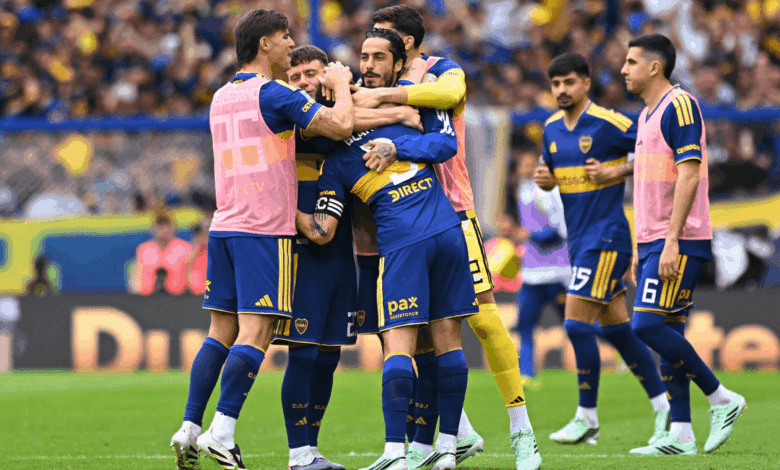
This fixture represents more than a standard continental decider; it is the final hurdle in a journey that has seen Boca eliminate strong opponents through a combination of resilience and tactical precision. The path to the final was not linear. In the semifinal against Vasco da Gama, Boca faced a significant setback, losing the first leg 1-0 at La Bombonera. The response at the Maracanã Stadium was decisive, with a 3-1 victory driven by a late goal from Leandro Paredes that overturned the aggregate deficit. Prior to that, the team dismantled Paraguay’s Recoleta with a 7-1 aggregate win in the Round of 16 and edged past Brazil’s São Paulo 2-1 on aggregate in the quarterfinals. These results underscore a team capable of shifting gears, particularly in high-pressure knockout stages.
The stakes for the November 21 match are defined by historical context as much as current form. Boca Juniors have not lifted a continental trophy since the 2008 Recopa Sudamericana, a gap of over 18 years that defines the current era for the club. The upcoming final offers the opportunity to break this spell and claim their first international title of the 2026 season. The symbolic weight of this pursuit was highlighted by a viral social media announcement suggesting the team might wear their traditional home shirt with yellow shorts and socks. While kit selection remains subject to the pre-match technical meeting, the proposal echoes the iconic 2007 Copa Libertadores final in Porto Alegre. On that occasion, forced to change from white due to a communication error, Boca wore emergency yellow shorts and socks to contrast with Gremio’s black, a match in which Juan Román Riquelme, now club president, scored twice to secure the victory.
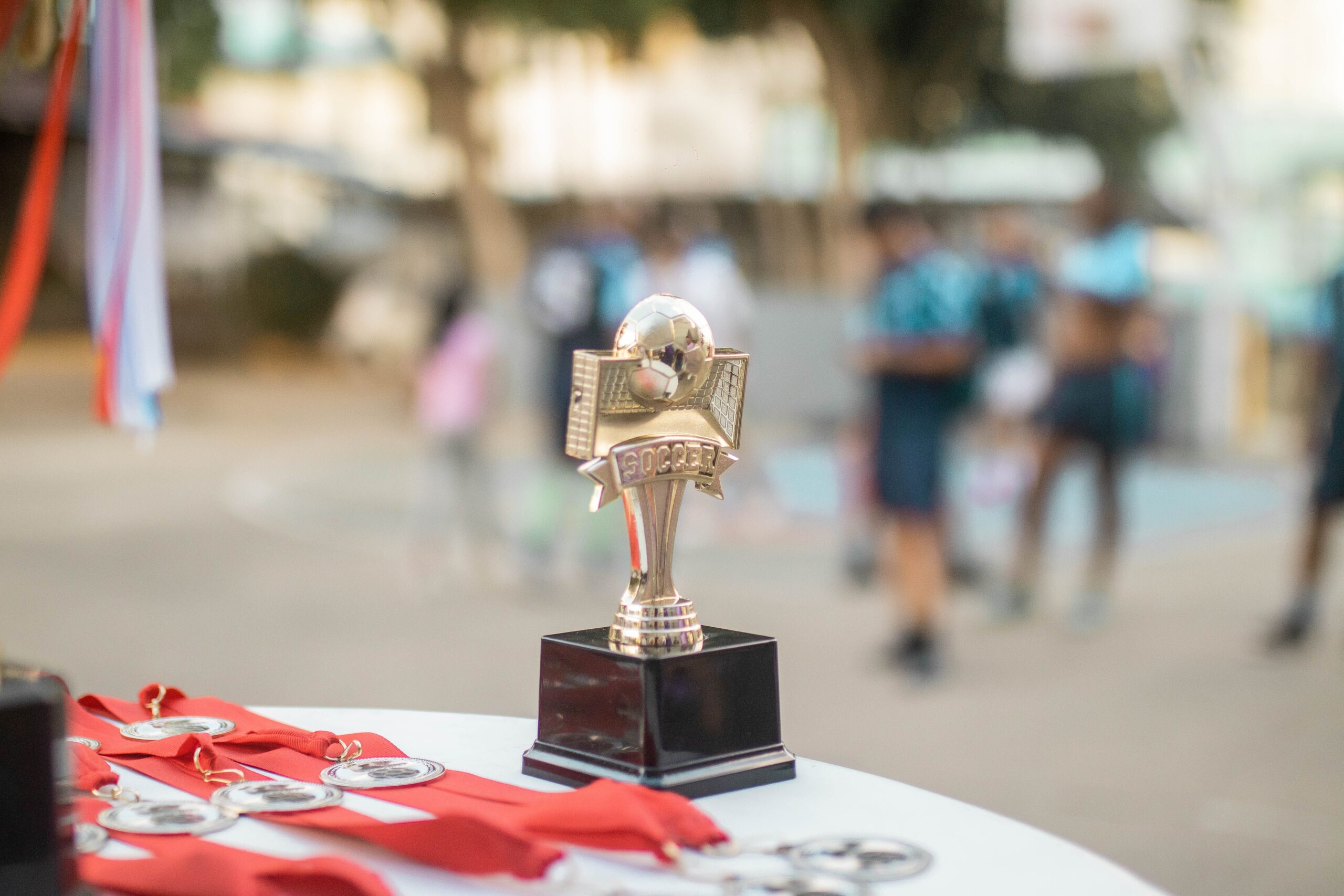
Statistically, Boca Juniors are poised for a historic run. They have already secured the Campeón de Liga crown as the top team in the Annual Table. A victory in Barranquilla would mark their second title of the year. The calendar then brings the Copa Argentina final against Platense on December 2, a match Boca entered after defeating Banfield, while Platense advanced by overcoming Atlético Tucumán on penalties. Beyond these two confirmed finals, Boca remains in contention for the Torneo Clausura, where they face Independiente Rivadavia of Mendoza in the Round of 16. Success in the domestic league would also grant them a place in the Trofeo de Campeones against Belgrano de Córdoba.
The potential for five titles in a single calendar year presents a unique statistical anomaly in Argentine football. If Boca were to sweep all remaining competitions, they would achieve this feat within a 43-day span. This would shatter the existing record held by Racing Club, which previously achieved a similar density of titles. The challenge for Arruabarrena lies in managing a schedule that demands peak performance across multiple fronts in a compressed timeframe. The team’s recent form, evidenced by the 3-0 margin against Banfield and the comeback against Vasco da Gama, suggests the squad possesses the depth and tactical flexibility required for such a demanding run.
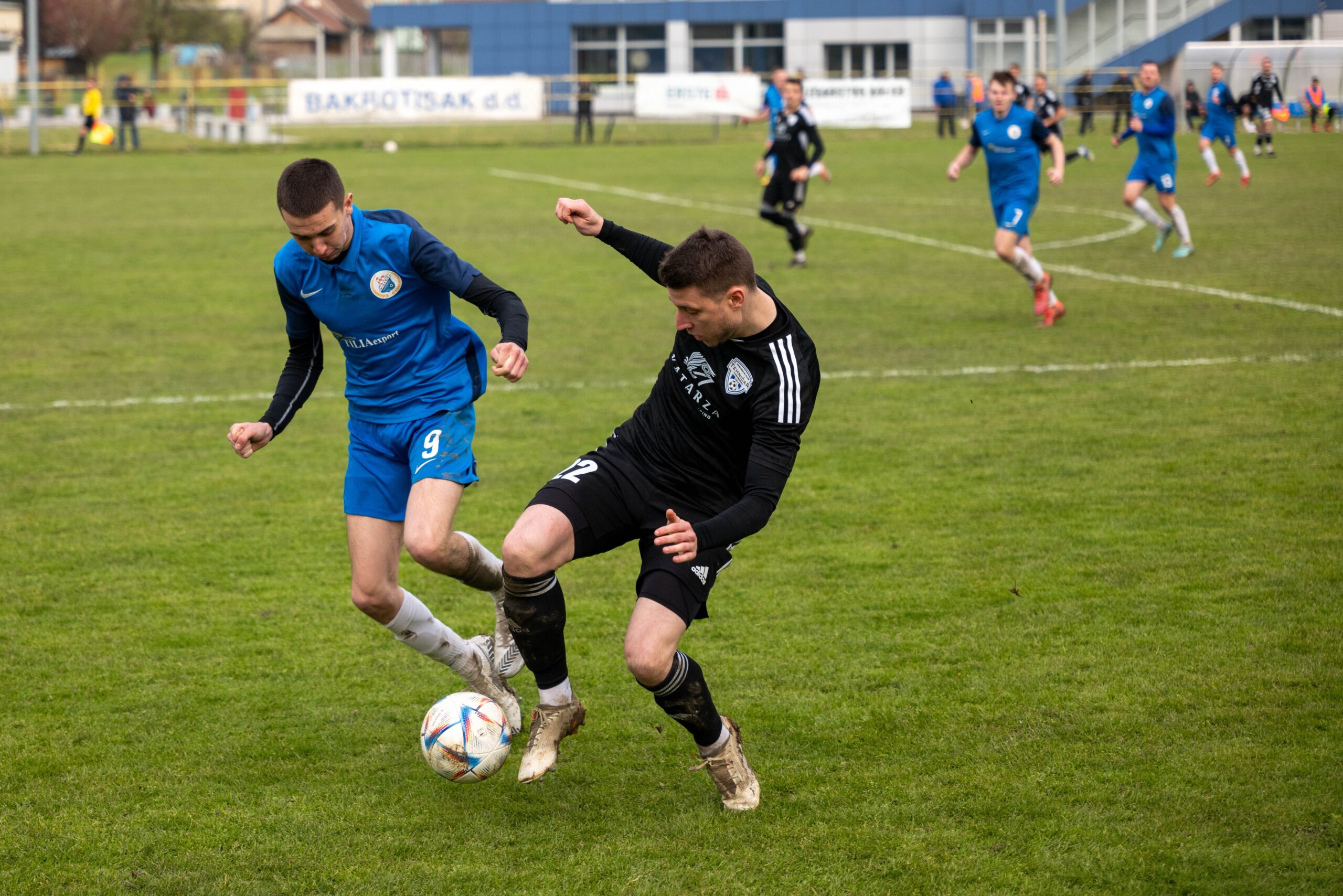
Atlético Mineiro, however, are not without their own narrative of recent continental disappointment, adding a layer of competitive intensity to the Barranquilla fixture. For Boca, the match is a test of whether they can translate domestic dominance into international hardware. The combination of the Annual Table title, the Copa Argentina final, and the potential to win the Clausura and Trofeo de Campeones creates a scenario where every match carries the weight of legacy. The technical meeting will finalize the kit, but the tactical preparations for Atlético Mineiro will focus on containing a Boca team that has already proven its ability to recover from deficits and dominate possession.
As the club prepares to travel to Colombia, the focus remains on the immediate priority: breaking the 18-year continental drought. The 2007 reference serves as a reminder of the club’s capacity for triumph under pressure, a narrative that the current squad, led by Arruabarrena, is actively seeking to replicate. With the Copa Argentina final on December 2 and the Clausura knockout rounds still ahead, the next two months will define the magnitude of Boca Juniors’ 2026 campaign. The Barranquilla final stands as the initial chapter of what could be an unprecedented season.