
Legal Basis for Protest and Escalation
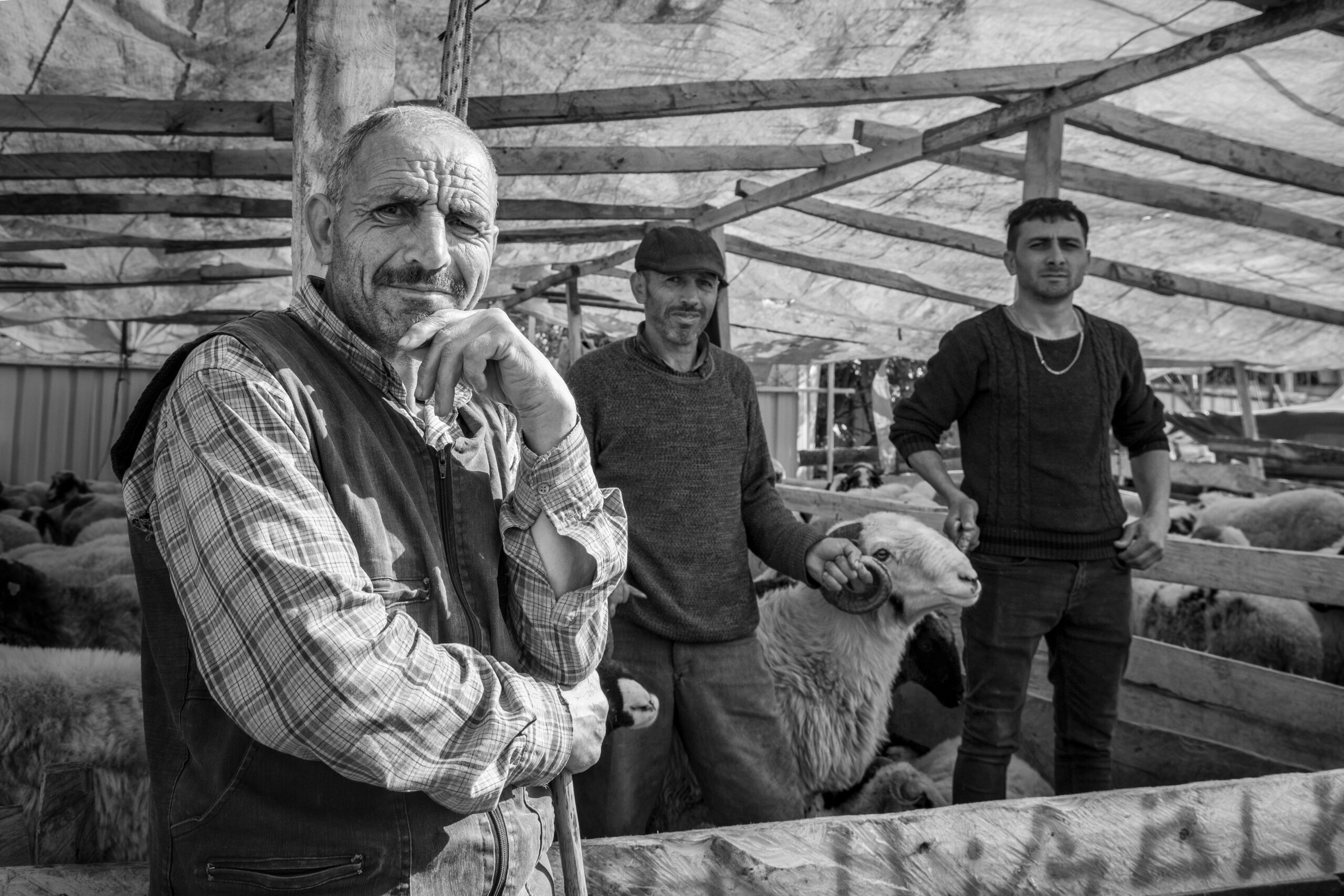
The central legal and political dispute driving the demonstration stems from stringent regulatory restrictions imposed on the livestock sector. Farmers protested a ban on the export of Romanian sheep and goats to third countries, which remains in effect until the end of 2026. This measure was implemented alongside existing European Union bans triggered by outbreaks of small ruminant plague and sheep pox. Beyond trade restrictions, demonstrators expressed outrage over the failure to receive promised compensation for livestock culled during quarantine measures, as well as drought-related losses. Their demands also included a review of hunting laws and the removal of brown bears from the list of strictly protected species, citing attacks on flocks.
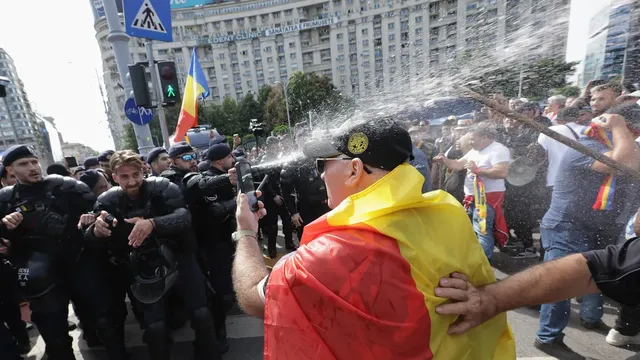
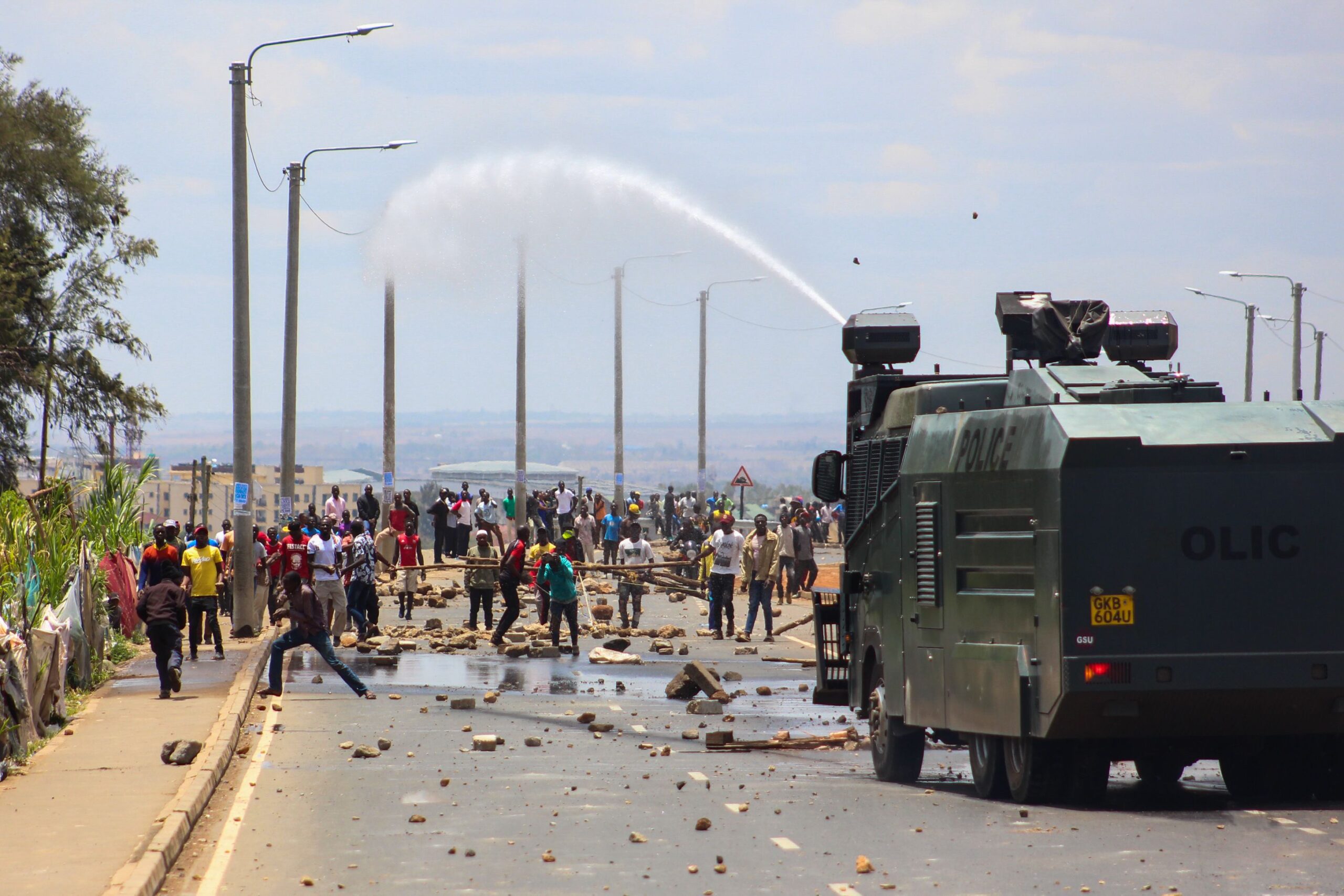
As the crowd gathered, tensions between demonstrators and security forces intensified. The Bucharest Gendarmerie reported that the protest was marked by violence, with clashes occurring between groups of protesters and police. In response, riot police used water cannons and tear gas to disperse parts of the crowd. The Gendarmerie noted that the right to demonstrate cannot be used as a justification for violence, property damage, or attacks against law enforcement officers, although they maintained that authorities continue to respect and protect citizens’ right to protest and publicly express grievances.
Investigative Actions and Sanctions
Following the clashes, the Ministry of Internal Affairs initiated a comprehensive response. A total of 47 individuals were taken to police stations for checks and documentation of alleged violations. From this group, six people have been formally detained. Three criminal proceedings have been opened to address specific offenses, which include assaulting public officials, disturbing public order and public peace, public incitement, property damage, and the carrying or use of dangerous objects.
In addition to criminal charges, administrative sanctions were imposed on 24 individuals, totaling 46,000 Romanian lei. The Gendarmerie has not ruled out the possibility that “infiltrators and provocateurs” were among the demonstrators, suggesting that elements within the crowd may have attempted to cause disorder beyond the scope of the original protest. Police also reported that two guns were stolen from security forces during the confrontations, a fact that likely contributed to the severity of the subsequent legal actions.
Medical Consequences and Institutional Response
The physical toll of the clashes was significant. Medical teams assisted 32 people with various health complaints, including fainting, chest pain, and dizziness. Nine individuals required transport to medical facilities for further treatment. While the Gendarmerie emphasized that their operational activities are continuing to identify all persons involved in criminal or administrative violations, the institution also highlighted that the majority of the demonstration was peaceful, condemning any disproportionate use of force.
The legal proceedings initiated by the Prosecutor’s Office will now determine the culpability of the detained individuals. The case underscores the tension between the constitutional right to protest and the legal boundaries of public order. As investigations continue, the focus remains on distinguishing between legitimate expression of dissent and actions that constitute criminal offenses such as assault and property damage. The outcome of these proceedings will set a precedent for how similar agricultural protests are handled in the future, balancing the need for public safety with the protection of civil liberties.