Operational Resilience and Financial Workarounds
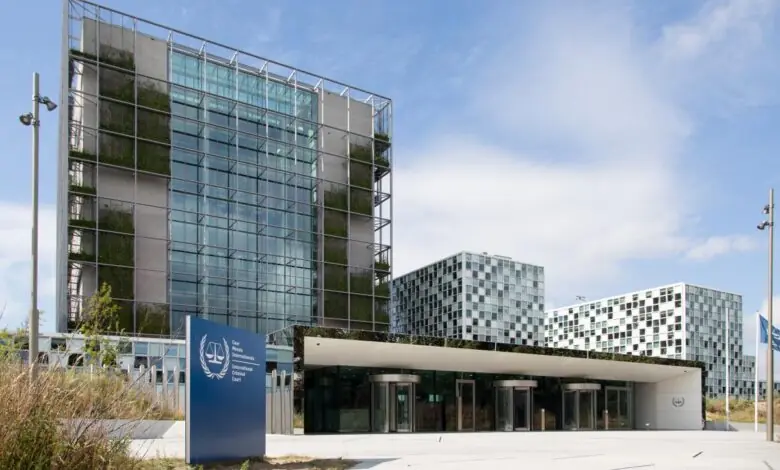
ICC President Tomoko Akane, speaking from The Hague, stated that the court will continue to discharge its mandate with independence and impartiality, acting solely on the basis of law and evidence. She emphasized that the sanctions aim to disrupt operations, but the court has implemented measures to maintain functionality. Following previous US actions against the ICC, the institution has shifted its data infrastructure from US-based providers, such as Microsoft, to systems located in Europe. This transition has prevented disruption to daily operations, despite the sanctions cutting off access to specific technology services.
The sanctions have severely restricted the court’s access to financial services. Akane noted that ICC-issued Visa credit cards, including those issued in Japan, are no longer usable, and personal communication tools such as Gmail accounts belonging to sanctioned officials have been disabled. To mitigate these effects, several European banks have continued to process transactions for sanctioned staff, facilitating salary payments and business travel. The court has requested the European Union invoke its “blocking statute,” a legal mechanism under EU treaty law that nullifies third-country sanctions within the EU and prohibits compliance with them. While the Netherlands and other European nations have worked to secure data transfers and banking access, a comprehensive mechanism to shield commercial entities from US sanctions has not yet been realized.
Call for Political Action and Diplomatic Pushback
In an interview, President Akane called on Japan, a vocal supporter of the rule of law and an ICC member state, to press Washington directly. She argued that the sanctions constitute an attack on judicial independence and that Japan’s historical respect for legal norms requires a clear response. Akane suggested that if Japan cooperates with the European Union and the United Kingdom, which share these values, it can present a unified front against the sanctions. She warned that the current situation risks encouraging other Asian nations to follow the US lead in withdrawing from the court, which would undermine the international legal order.
The ICC stated that the fate of the institution now rests heavily on the resolve of its States Parties. The court has urged member states to take concrete actions to ensure the ICC retains the necessary means to continue its work. Akane distinguished this instance from previous US sanctions related to counterterrorism or drug trafficking, describing the ICC sanctions as an entirely different matter due to their direct targeting of an international judicial body. The court maintains that no one should be punished for serving the cause of justice, and it asserts that the international community must defend the principles of the Rome Statute against external pressure.
The sanctions represent a significant escalation in tensions between the US and the ICC. By targeting the institution itself, the US measures seek to limit the court’s operational capacity globally. The ICC’s response underscores its commitment to proceeding with investigations despite financial and technological constraints, while placing the diplomatic burden on member states to protect the court’s autonomy and financial viability.