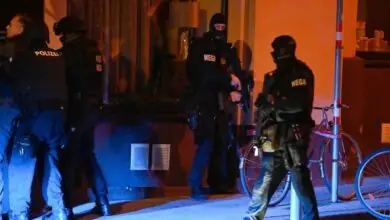
The apprehension of Soykan and Ağırel on the morning of April 10 marked a pivotal moment in an escalating conflict between Turkish authorities and the media landscape. The journalists were detained as part of a coordinated wave of detentions targeting professionals who have covered mass protests against President Recep Tayyip Erdoğan. These protests were sparked by the arrest of Istanbul Mayor Ekrem İmamoğlu, Erdoğan’s main political rival, on March 19. The Istanbul prosecutor’s office has charged the two journalists with “blackmail” and “insult,” allegations stemming from their coverage of alleged irregularities in the investigation targeting İmamoğlu.
During the April 10 operation, law enforcement officers searched the homes of both journalists and seized their professional equipment. Reporters Without Borders (RSF), an international press freedom organization, characterized these searches as an attempt to identify the sources who contributed to the reporters’ investigations. “Turkish authorities have been targeting journalists and media outlets since the beginning of the protest movement,” RSF stated. The organization argued that the detentions were retaliatory measures against professionals raising “legitimate questions about the due process of a judicial affair that is shaking the country.” RSF emphasized that punishing news professionals for informing the public constitutes a severe breach of journalistic rights.
The legal proceedings against Soykan and Ağırel are embedded in a wider pattern of enforcement actions against the press in Turkey. Since the events of March 19, at least ten journalists have been detained in connection with the demonstrations. Among those still in custody is Joakim Medin, a special correspondent for the Swedish outlet Dagens ETC. The current charges against Soykan and Ağırel follow their appearances on Onlar TV, a recently launched YouTube channel where they discussed the legal proceedings involving the Istanbul mayor. The shift to judicial supervision allows the journalists to remain at liberty but imposes a framework of continuous state monitoring that limits their mobility and professional activities.
While the immediate focus has been on the legal charges of blackmail and insult, a parallel legal and safety issue has emerged regarding the security of Murat Ağırel. The European Centre for Press and Media Freedom (ECPMF) and other press freedom groups have issued urgent condemnations of the “escalating death threats” directed at Ağırel. These organizations describe a persistent pattern of intimidation, surveillance, and threats that has intensified over the past year. The groups argue that these threats are not isolated incidents but part of a systemic issue affecting press freedom in Turkey, where independent journalists face significant risks in their pursuit of truth.
The ECPMF and its signatories have called on Turkish authorities to thoroughly investigate these threats and ensure accountability for those responsible. They highlighted that the harassment extends to Ağırel’s family, creating a “perilous environment” for independent journalism. The distinction between the criminal charges filed by the prosecutor and the extrajudicial threats reported by advocacy groups underscores the dual legal and physical challenges facing the journalist. While the court has processed the formal charges by granting release under supervision, the unresolved issue of physical security remains a critical concern for international observers.
The release of Soykan and Ağırel does not conclude the legal matters against them. As they await trial, the restrictions on their passports and the requirement for frequent police check-ins remain in effect. The case now moves to the next confirmed legal step: the continued judicial process regarding the allegations of blackmail and insult. Meanwhile, the broader context of media freedom in Turkey remains under scrutiny, with international bodies monitoring both the legal outcomes for detained journalists and the safety of those who have been released.