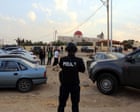
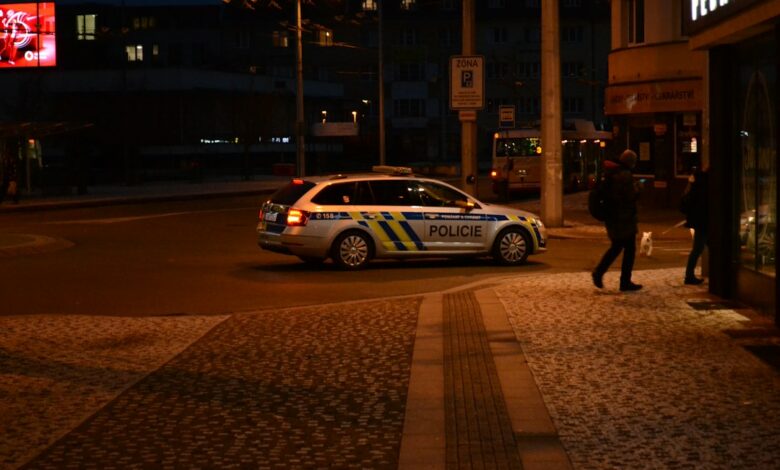
The primary operational detail concerns the first arrest, which took place at approximately 12:45 a.m. on Beukelsweg. Police detained a man who had made threats. According to the Rotterdam police, who reported on their X account, the suspect was taken into custody under the Anpaktechniek Gevaarlijke Personen (BTGP), or Approach Technique for Dangerous Persons. This specific protocol is employed when there is a strong suspicion that the individual being arrested is armed with a firearm. During the execution of this arrest, a warning shot was fired. A second man was arrested shortly thereafter, though specific details regarding his offense or the circumstances of his detention have not yet been publicly disclosed.
The use of force in these recent arrests places them in a sensitive procedural context for the Rotterdam police force. In September, a man identified as Alfredo Goeloe, 51, died during an arrest in the Rotterdam-Zuid district. Police had apprehended Goeloe after a chase triggered by a report of a stolen bicycle; he had fled after failing to identify himself when stopped. Bystanders reported to the newspaper Rijnmond that Goeloe was calling for help and stating that he had diabetes while becoming unwell during the arrest. Approximately five days after Goeloe’s death, police fired a shot at an alleged vandal who had sprayed paint into an officer’s face. On the day of that second incident, the district police chief issued an apology to Goeloe’s family.
These policing incidents are unfolding simultaneously with a major industrial tragedy at the Port of Rotterdam, Europe’s largest port. On Thursday, an explosion occurred at a refinery and fuel terminal operated by Gunvor Energy in an industrial section of the port premises. City police confirmed that the blast killed at least one person and injured several others. A crime scene has been established to determine the cause of the explosion. Dutch broadcaster NOS reported that a maintenance team was working on a section of pipes at the time of the incident. Emergency services also reported a major power failure, noting that a transformer had caught fire under unexplained circumstances. It remains unclear whether the blackout and the explosion are causally linked. Several companies in the area halted operations and evacuated workers, with power gradually being restored hours later.
The convergence of high-profile police actions and industrial disasters has intensified public and legal scrutiny of local authorities. In the Netherlands, the Rijksrecherche, the National Internal Investigations Department, is responsible for investigating incidents involving the use of force by police officers. While the current arrests are presented as routine responses to threats and suspected armed individuals, the proximity in time to the death of Alfredo Goeloe and the subsequent apology by police leadership suggests a heightened sensitivity regarding police conduct. The legal framework governing the use of force in the Netherlands requires that any use of force, including the discharge of a weapon, be proportionate and necessary. The involvement of the Rijksrecherche in past incidents indicates that these events are subject to formal internal investigation rather than mere administrative review.
There is no indication that the arrests of the two men on Monday are directly linked to the Thursday explosion at the Gunvor Energy facility. The police report describes the arrests as resulting from threats and the application of the BTGP protocol, while the explosion is currently under investigation as an industrial accident or potential crime scene with a focus on the maintenance work and transformer fire. The distinct nature of these events—policing operations versus industrial safety and criminal investigation—will likely lead to separate lines of inquiry. However, the public narrative in Rotterdam is currently shaped by the simultaneous visibility of police force and industrial risk.
The legal status of the two men arrested on Monday is that of suspects in custody. No charges have been publicly confirmed in the source material beyond the initial detention for threats. The next formal step in their proceedings will depend on the findings of the initial police investigation and the subsequent decision by the public prosecutor’s office regarding indictment. For the explosion, the investigation is at the crime scene stage, aiming to establish the cause of the blast and the fire. The outcome of these investigations will determine whether criminal charges are filed against individuals or companies, or whether the incidents are classified as accidental. The Rijksrecherche will continue to oversee any aspects of the arrests involving the use of force, ensuring compliance with Dutch law on police conduct. Until formal findings are issued, the presumption of innocence applies to the arrestees, and the cause of the explosion remains officially undetermined.