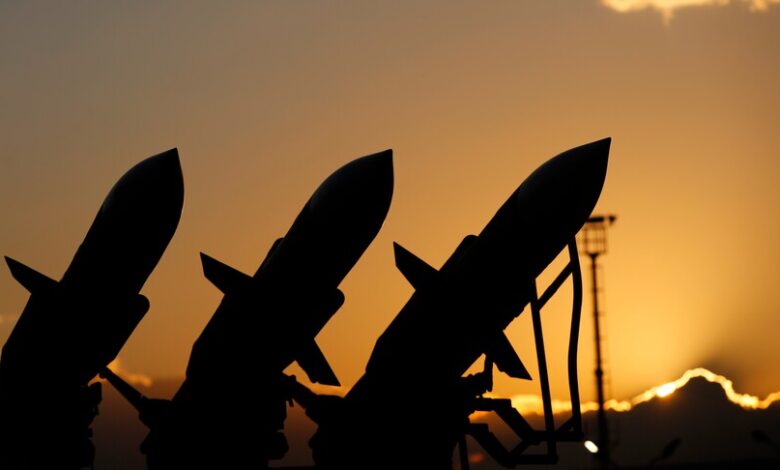
The coalition confirmed that the three cruise missiles were neutralized before they could reach their intended destinations in the Riyadh area. However, the Houthi military spokesperson, Yahya Saree, presented a conflicting operational narrative. Saree asserted that the group had specifically targeted King Khalid International Airport in Riyadh with the three cruise missiles, claiming that the operation “achieved its objective.” This claim of a direct hit on a major civilian and military aviation hub stands in direct contradiction to the Saudi assertion that the weapons were intercepted in flight. No independent verification of damage to the airport or the missiles’ impact on the ground has been provided by either side.
Simultaneously, Saree claimed that a Houthi drone had struck Pumping Station No. 11 in the Yanbu area of western Saudi Arabia. The Houthi spokesman stated that this attack also achieved its objective. Yanbu is a critical hub for Saudi oil exports and desalination infrastructure, making it a high-value target in the ongoing conflict. The Saudi-led coalition did not explicitly confirm or deny damage to the pumping station in the immediate statement regarding the Riyadh intercepts, though it noted broader interceptions of drones targeting various parts of the kingdom.
A significant point of contention emerged regarding an incident near Mecca. The Saudi-led coalition reported that a drone had been intercepted above the holy city. In response, Saree explicitly rejected this announcement, accusing the coalition of “spreading false information.” He insisted that Houthi operations were strictly focused on oil facilities and military bases, not religious sites. The Houthis denied targeting Mecca, framing the Saudi claim as a political or informational tactic rather than a reflection of battlefield events. This dispute highlights the divergent narratives surrounding the scope and intent of the Houthi campaign, particularly concerning the proximity of attacks to Saudi Arabia’s most sensitive religious and cultural landmarks.
The exchanges take place against a backdrop of continued military escalation between the Houthis and Saudi Arabia. The coalition has reported repeated interceptions of missiles and drones targeting different regions of the kingdom, indicating a sustained Houthi capability to project power over significant distances. Conversely, the Saudi-led coalition has carried out military operations against Houthi positions in Yemen, suggesting a cycle of offensive and defensive actions. The technical capability to launch cruise missiles toward Riyadh and drones toward western infrastructure demonstrates the Houthis’ access to long-range precision-guided munitions, a capability that poses a persistent operational challenge to Saudi air defense networks.
While the coalition emphasizes the effectiveness of its air defenses in protecting key infrastructure and the capital, the Houthi claims of successful strikes aim to demonstrate that their weapons can penetrate these defenses. The lack of independent verification of damage to King Khalid International Airport or the Yanbu pumping station leaves the tactical outcome of the Wednesday strikes ambiguous. However, the strategic implication is clear: the Houthis continue to utilize long-range firepower to pressure Saudi Arabia, while the coalition maintains a posture of defensive interception. The conflicting statements regarding the Mecca incident underscore the intense information warfare component of the conflict, where control of the narrative is as contested as the airspace itself.
The situation remains volatile, with both sides asserting success in their respective operations. The Saudi coalition’s ability to intercept threats to Riyadh is a key indicator of its defensive posture, while the Houthi claims of hitting high-value targets are intended to signal resilience and reach. As the conflict persists, the verification of damage to critical infrastructure and the clarification of incidents near sensitive religious sites will remain central to understanding the operational and strategic dynamics of the war.