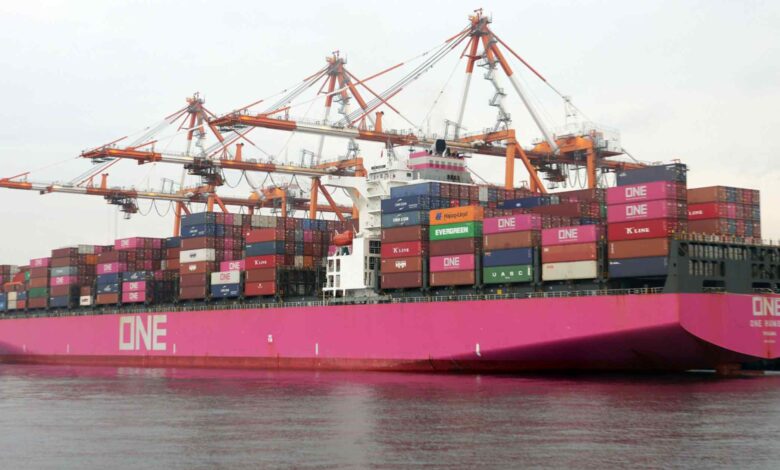
The decision to resume transits is a calculated response to the complex geopolitical and economic pressures facing the global shipping industry. For three years, the route through the Red Sea and the Suez Canal has been effectively avoided by many major carriers due to security risks. The Bab al-Mandab Strait, which connects the Red Sea to the Gulf of Aden, is one of the world’s most vital maritime passages, facilitating a significant portion of global trade between Asia and Europe. By sending a vessel through this narrow waterway, ONE is signaling a willingness to engage with the route despite the documented threats in the area.
The strategic implications of this move are multilayered. The Red Sea route offers a substantially shorter and more fuel-efficient path for containers moving between East Asia and Western Europe compared to the alternative route around the Cape of Good Hope in South Africa. When major carriers like ONE resume or increase traffic through this corridor, it directly impacts freight rates, transit times, and supply chain predictability for importers and exporters worldwide. The “step up” in shipping mentioned in reports suggests that ONE views the current risk environment as manageable relative to the economic benefits of the direct route.
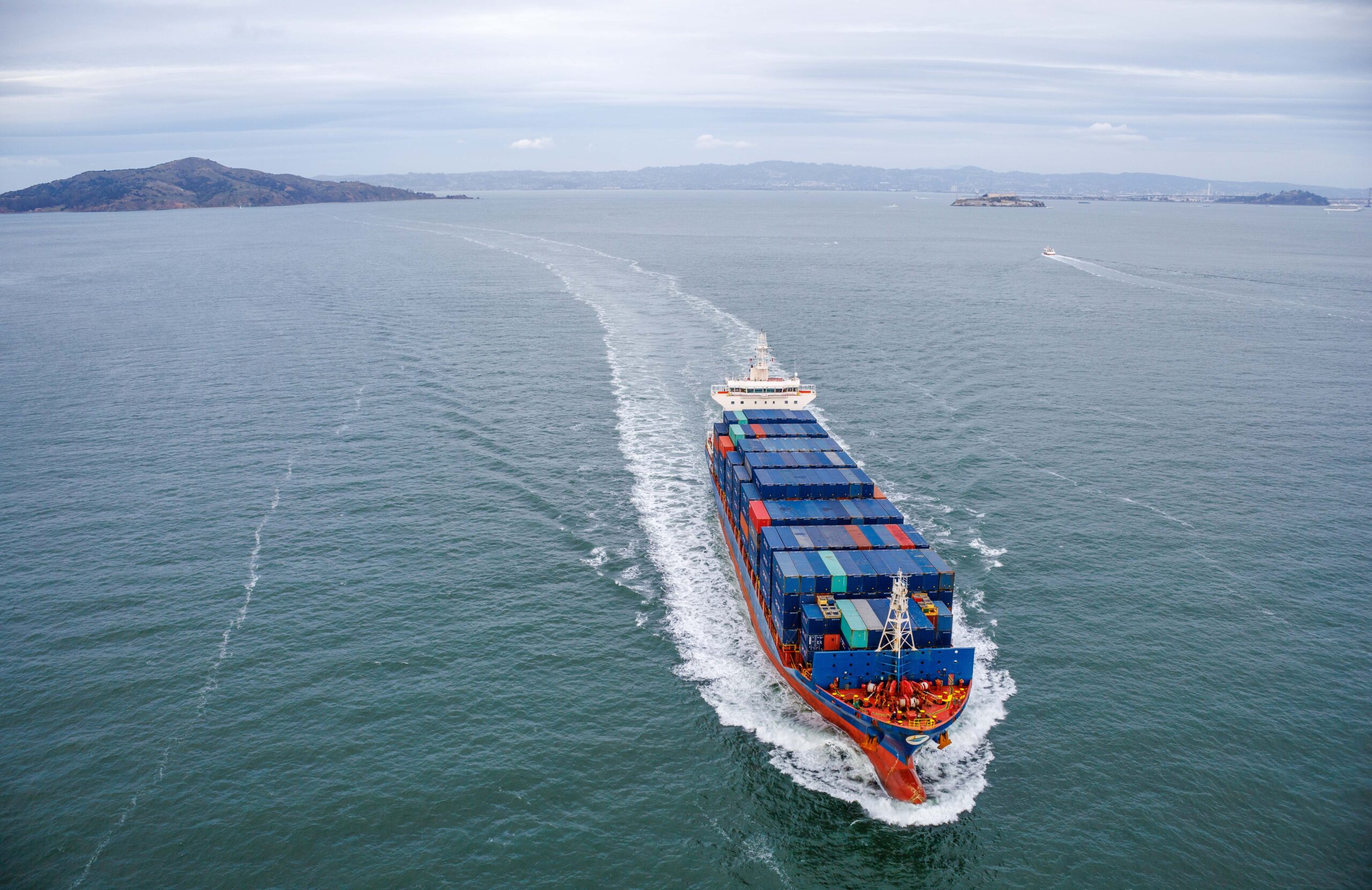
This development must be understood within the context of the broader regional instability. The mention of “Houthi tensions” highlights the primary security concern that has deterred many shipping lines from the region. The Houthis, based in Yemen, have been a source of disruption in the Red Sea, leading to a significant rerouting of global trade flows in recent years. By choosing to transit the strait, ONE is navigating a delicate balance between operational security and commercial necessity. The decision underscores that while risks remain, the economic incentives for maintaining efficient global supply chains are compelling major players to reconsider their routing strategies.
The action by ONE also reflects the competitive dynamics within the global shipping industry. As a major player, its movements often set a tone for the market. If one of the largest container shipping alliances or groups begins to increase its presence in the Red Sea, it may encourage other carriers to reassess their own risk assessments and routing decisions. This could lead to a gradual normalization of traffic through the Suez Canal, which has seen a decline in transits due to the ongoing security situation. Conversely, if the transit proves to be an isolated incident or if further incidents occur, the industry may remain cautious, keeping the volume of ships in the region low.
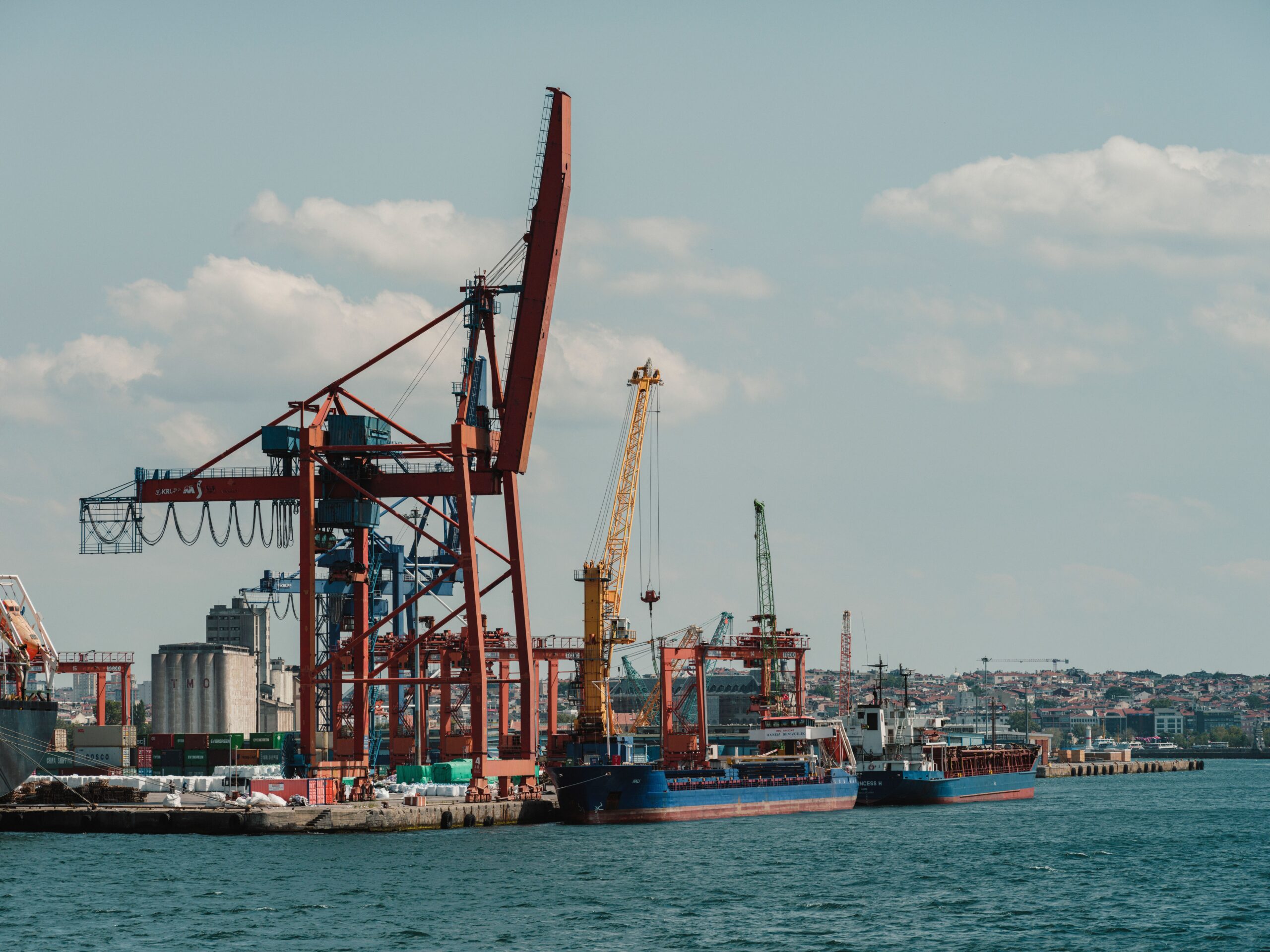
The human and economic consequences of this routing decision are felt by businesses across the globe. Shorter transit times mean faster delivery of goods, which can reduce inventory costs for retailers and manufacturers. However, the decision also carries inherent risks. Any escalation in hostilities in the Red Sea could immediately threaten the safety of vessels and crew, potentially forcing a rapid reversal of this strategy. The shipping industry has shown in the past that it can pivot quickly in response to security threats, but the cost and disruption of such pivots are substantial.
Ultimately, the transit of ONE’s container ship through the Bab al-Mandab Strait is a concrete data point in the ongoing negotiation between global trade efficiency and regional security. It demonstrates that despite three years of avoidance, the pull of the Red Sea route remains strong for major shipping operators. The company’s stated expectation to step up shipping suggests a confidence in their risk mitigation measures and a belief that the benefits of the direct route outweigh the dangers for now. As the industry watches this development, the key question remains whether this single transit is the beginning of a broader return to the Red Sea or a cautious test of the waters in a still-fragile environment.