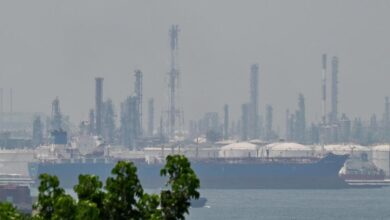
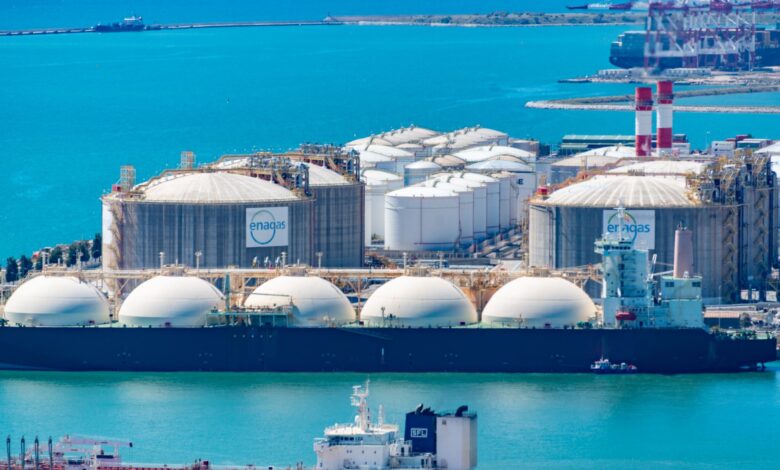
The reduction in traffic follows a flurry of attacks in the region, which have heightened security concerns for commercial vessels navigating the waterway. While the specific details of these incidents are not provided in the available data, their collective impact has been sufficient to alter risk assessments for operators in the LNG sector. The strait remains a vital artery for the global energy market, carrying a significant portion of the world’s LNG shipments to major importing nations. Any disruption or hesitation in this corridor has immediate implications for supply reliability and market sentiment.
The data suggests that the decision to delay or reroute vessels is a direct response to perceived security risks. In the global energy trade, risk premiums are a key component of shipping logistics. When the safety of vessels and crew is questioned, shipowners and charterers often prioritize caution over schedule adherence, even if it results in temporary bottlenecks or increased freight costs. This cautious approach is a standard industry response to geopolitical instability, designed to mitigate the potential for physical damage to high-value cargo and infrastructure.
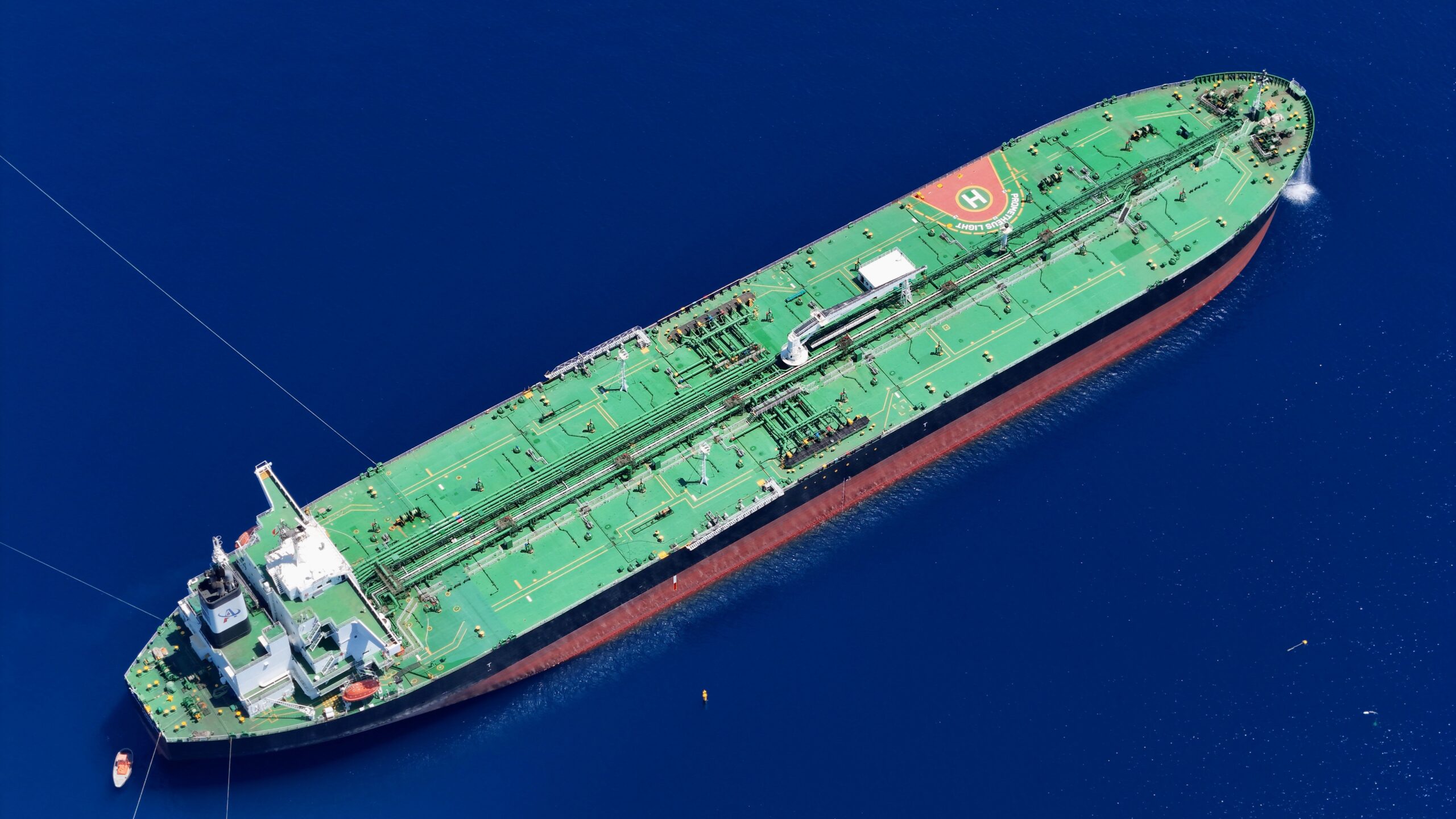
For consumers and industries relying on LNG, this development introduces a layer of uncertainty. Although the drop in transits is described as a decline rather than a halt, it signals that the flow of gas is becoming more sensitive to external security factors. Market participants are likely monitoring these traffic patterns closely, as sustained reductions in transit could lead to tighter supply conditions in importing regions, particularly if the security situation does not improve. The availability of alternative shipping routes or storage capacity becomes more relevant in such scenarios, though the Strait of Hormuz remains the primary and most efficient route for many trade flows.
The response from the energy sector so far appears to be one of heightened vigilance rather than panic. There is no indication of a widespread suspension of operations or a total blockade, but the data clearly shows a retreat from normal traffic volumes. This pattern reflects the complex interplay between commercial necessity and security imperatives. Governments and international bodies often advocate for the free flow of trade, but private entities bear the ultimate risk of operating in contested waters. The decision-making process for shipowners involves evaluating the probability of an incident against the cost of delays, a calculation that has visibly shifted in the last week.
Looking ahead, the trajectory of LNG transits through the Strait of Hormuz will depend on the evolution of the security environment. If the flurry of attacks subsides, traffic levels may return to baseline, though the memory of recent incidents may leave a lingering effect on risk premiums. Conversely, if security threats persist or escalate, the decline in transits could deepen, potentially impacting global gas prices and supply contracts. The data currently available provides a snapshot of this cautious period, highlighting how quickly operational norms in the energy sector can adapt to immediate geopolitical realities.
The focus now remains on the waterway itself, where the passage of each tanker is a testament to the resilience and vulnerability of the global energy grid. The drop in outbound LNG traffic is a verified data point that underscores the fragility of supply chains in the face of localized conflict. As shipowners continue to weigh the risks, the Strait of Hormuz remains a focal point for energy security, with its traffic patterns serving as a real-time indicator of the stability of the global gas market.