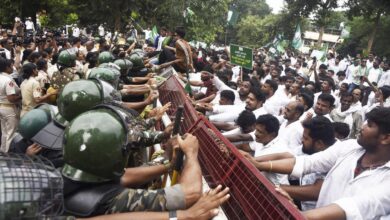
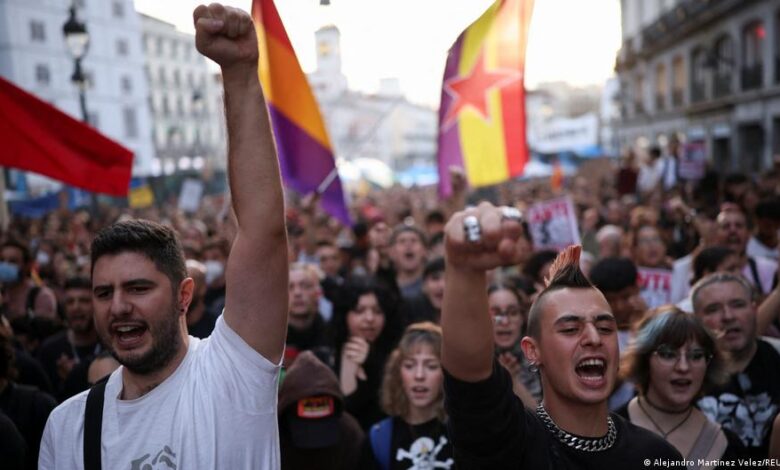
The call for early elections follows intense social unrest sparked by the housing crisis. Protests erupted across Spain last month after an 87-year-old woman was evicted from her home in Madrid following a significant rent increase. While many demonstrations remained peaceful, violence broke out in Barcelona on Monday, when groups of radical activists clashed with police, throwing rocks and setting fire to rubbish bins. Tens of thousands of people took to the streets demanding stronger tenant protections and measures to combat fraud and speculative practices.
In response to the legislative defeat, the government approved two extraordinary decrees on Tuesday, which will be sent to an interim legislative body known as the “standing commission” for ratification. These measures include 21 provisions such as extended eviction protections for vulnerable residents until 2030, regulations on room rentals, and a new tax on seasonal leases ranging from 32 days to 11 months. Additionally, the decrees ban speculative purchases of real estate and provide tax exemptions for certain landlords. Housing Minister Isabel Rodríguez described the package as including “some very positive additions” to the previously rejected laws. Political science professor Alejandro Quiroga noted that utilizing the interim legislature is a constitutional step, stating that Sánchez could not remain inactive while campaigning on the housing issue.
The opposition has welcomed the snap election. Alberto Núñez Feijóo, leader of the conservative People’s Party, declared that Spain will “at last” say “what it thinks,” while Santiago Abascal, leader of the far-right Vox party, expressed that he was “glad” about the announcement. Conversely, Sánchez’s cabinet and regional politicians have expressed confidence that the prime minister will “pull off a comeback.” Most opinion polls suggest the conservatives are likely to emerge as the largest party, though they would be expected to require Vox’s support to form a government. This will be Sánchez’s sixth election in 11 years, requiring him to upset significant odds to remain in power.
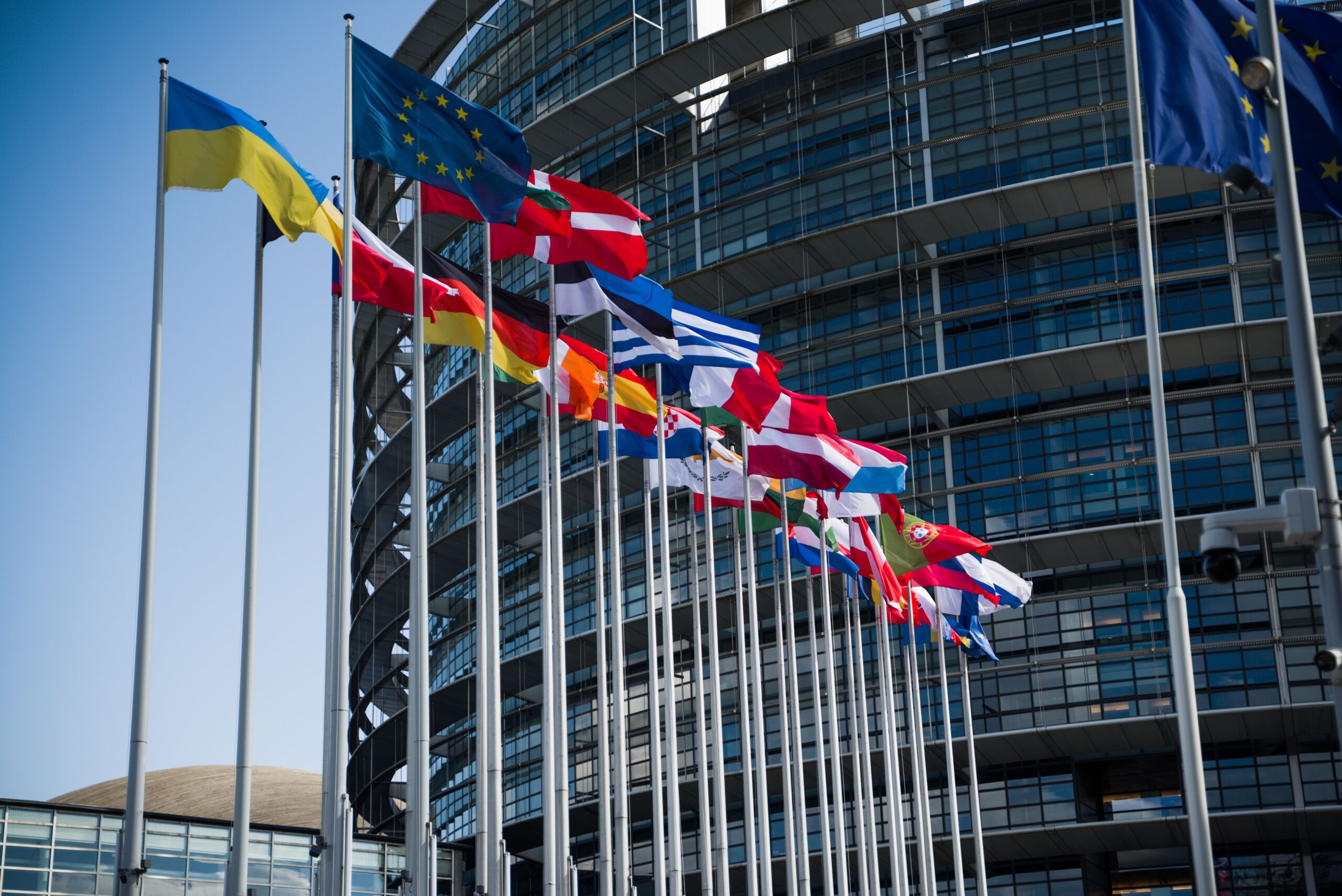
A Sánchez defeat poses a significant challenge to the political balance within the European Union. In Brussels, Socialists warn that losing Sánchez would leave them without a center-left counterweight in a Council largely dominated by the center right. Spain currently holds the largest national delegation of the Socialists and Democrats (S&D) in the European Parliament, and Sánchez has historically helped carry his positions through the group. Senior S&D lawmakers indicated that a change of government in Madrid would disrupt this arrangement, potentially pushing the S&D into a more confrontational stance. René Repasi, head of Germany’s SPD delegation, noted that the absence of a Socialist prime minister from a large country might lead lawmakers to look more critically at Council positions.
The departure of Sánchez would also strain the informal alliance among the S&D, liberals, and the center-right European People’s Party that supports Commission President Ursula von der Leyen. Without Sánchez, the only remaining center-left leaders of large EU countries would be Denmark’s Mette Frederiksen and Malta’s Robert Abela. A formal alliance between Spain’s EPP and the far-right Vox party is viewed as a factor that would drive the S&D further apart from the center-right. As Spain’s election marks the start of a year of consequential votes across major EU nations, including Italy, Poland, and France, the outcome in Madrid will be closely watched for its impact on the stability of EU legislative coalitions.