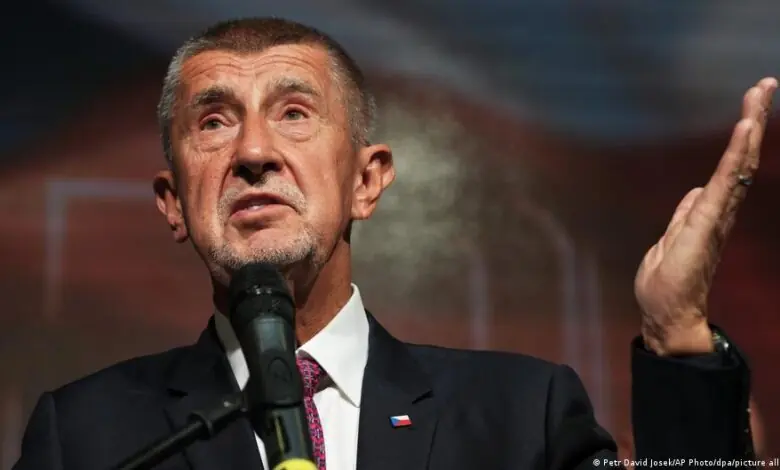
The elections are widely anticipated to gauge public support for Babiš, a populist billionaire who returned to power last December after his ANO (YES) party secured a decisive victory in parliamentary elections in October 2025. Babiš formed a governing coalition with two small political groups, a partnership that has shifted the government’s stance on key foreign and economic issues. The coalition’s agenda includes reducing financial support for Ukraine and rejecting certain European Union policies, a sharp departure from the center-right government that preceded it.
The opposition and President Petr Pavel remain firm supporters of Ukraine following Russia’s invasion, creating a distinct political divide. While the government’s approach has attracted voters frustrated with economic conditions and previous spending priorities, it has also drawn criticism for widening the national budget deficit. Babiš, 72, survived a no-confidence vote in parliament earlier this month, but the upcoming Senate results will offer a clearer picture of his political standing.
In the Senate, 27 seats are up for grabs in this two-round election. The chamber is currently controlled by pro-Western opposition parties, and the vote will determine whether the liberal and conservative bloc can retain its majority or if the governing parties and their allies make significant gains. Although the lower house of parliament dominates the legislative process, the Senate plays a crucial role in passing constitutional amendments and approving candidates for the Constitutional Court. First-round results are expected on Saturday, with runoffs scheduled for next week.
In local elections, independent candidates and groups traditionally secure the highest number of seats nationwide. Housing shortages, a prominent issue in major European cities such as Berlin and Madrid, are also a top concern for voters in Czech major cities. More than 8 million eligible voters participated in the poll, which serves as a barometer for broader societal sentiment regarding the government’s direction.

President Petr Pavel’s absence from the voting process drew attention ahead of the polls. The president stated that he would be unable to cast his ballot because he was on a private holiday outside Europe. His spokesman said, “The president regrets the planning error,” acknowledging the oversight just before the election day.
Babiš’s political trajectory has been marked by both electoral success and institutional challenges. His party’s rise was fueled by tapping into economic frustration and a sentiment that the previous government was overspending on Ukraine. However, his administration has faced hurdles, including challenges from the opposition regarding fiscal policy. Babiš has also expanded his political influence internationally, co-founding the Patriots for Europe group in the European Parliament alongside former Hungarian Prime Minister Viktor Orbán and other far-right parties.
The final outcome of these elections will clarify the balance of power in the Czech Republic as the government navigates its first full term. The Senate’s composition will be particularly important for long-term legislative stability and the government’s ability to implement its platform, which remains a point of contention with the opposition and key European allies.