
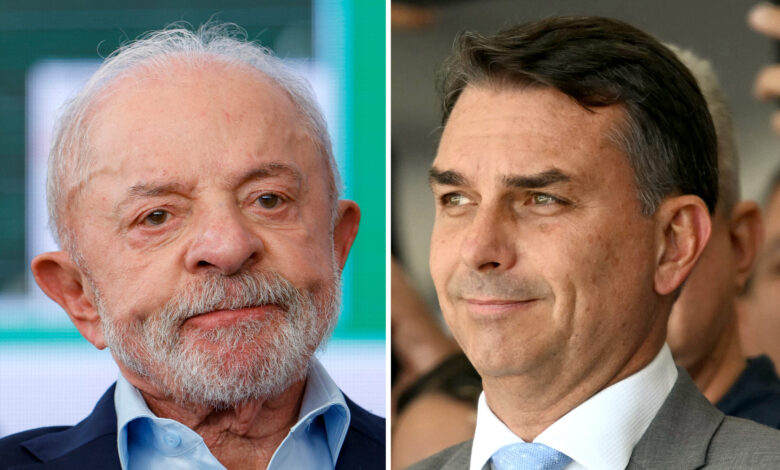
The outcome exceeded expectations, as pre-election polls had generally placed Lula ahead. The narrow margin of victory—less than two percentage points—means no candidate secured the more than 50% majority required for an outright win. However, the first-round results suggest a significant shift in voter alignment. Analysts note that votes cast for minor right-wing candidates who were eliminated in the first round are likely to coalesce around Flávio Bolsonaro in the second round, a dynamic that complicates Lula’s path to a fourth term. In Brazilian presidential history, there is no precedent for a runner-up in the first round successfully overtaking the leader in the runoff.
Congressional Power Shift
While the presidential race remains unresolved, the results of the legislative and gubernatorial elections have already delivered a decisive victory to the right-wing bloc. Right-wing and conservative parties secured 276 of the 513 seats in the Chamber of Deputies and 49 of the 81 seats in the Senate. This configuration grants the right a working majority in the lower house and, crucially, clears the three-fifths threshold in the Senate required to pass constitutional amendments.
This new legislative balance takes effect on February 1, 2027, when the 58th Legislature is sworn in. The right’s hold on 49 Senate seats is nearly double the number they occupied in the previous term. This numerical advantage places specific constitutional changes squarely within reach. Among the most significant is the elimination of consecutive re-election for presidents, governors, and mayors. Constitutional Amendment Proposal 12/2022, which would also extend executive terms from four to five years, has already cleared key committee stages in the Senate. Flávio Bolsonaro has made this one-term limit a centerpiece of his campaign, framing it as a project “for the country, not for power.”
The incoming Congress is also expected to address structural challenges to Brazil’s judiciary. Flávio Bolsonaro’s government plan calls for ending monocratic injunctions—rulings issued by a single judge without full-court deliberation—and restricting the Supreme Federal Tribunal’s (STF) jurisdiction over criminal cases involving public officials. While removing a STF justice for crimes of responsibility requires a two-thirds Senate majority (54 votes), the right-wing coalition currently holds 49 confirmed seats. Recent surveys indicate that a sufficient number of senators, including those from other parties, may be willing to support such proceedings, potentially bringing the first impeachment of a Supreme Court justice in 134 years to a final vote.
Economic and Political Context
The election took place against a backdrop of high voter abstention, which reached 21.08%, the highest level since 1998. Many voters expressed dissatisfaction with both major candidates amid widespread corruption scandals that have touched Brazil’s economic and political establishment. Lula, 80, warned that the runoff represents a choice between democracy and “barbarism.” Flávio Bolsonaro, 45, stated his goal is to “free the Brazilian people.”
Former President Jair Bolsonaro, who is serving a 27-year prison sentence for masterminding a failed coup after losing the 2022 election, is banned from holding office but has endorsed his son. His wife, Michelle Bolsonaro, won a Senate seat in the October 4 vote. The political alignment in Latin America has increasingly tilted rightward, with the October 25 runoff determining whether Brazil, the region’s largest economy, will follow suit.
Analysts suggest that if Flávio Bolsonaro wins, he will have the political capital to pursue an agenda that includes negotiating amnesty for his father and addressing Brazil’s fiscal deficits, which have approached 10% of GDP. However, experts caution that the center-right parties in Congress lack unity, which could hinder the implementation of major fiscal adjustments. The runoff will test whether Lula can mobilize the abstainers and reverse the momentum of the Bolsonarista movement before the final vote.