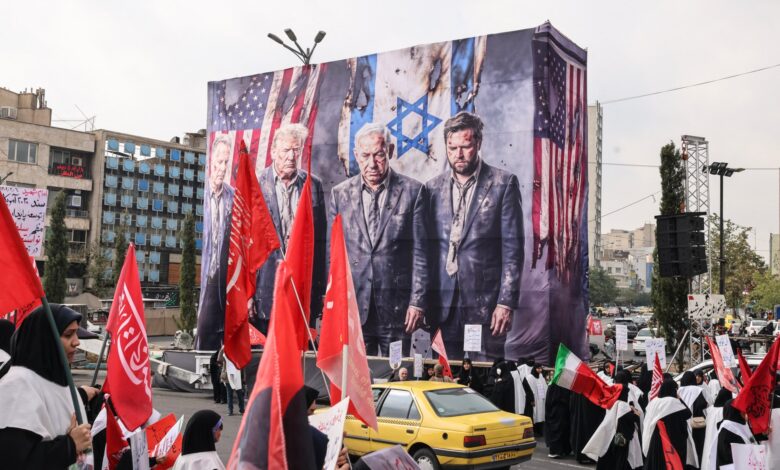
Abdollahi’s plan, reported by Iran’s Tasnim news agency, demands an end to hostilities across all fronts, explicitly including Lebanon and the Gaza Strip. It calls for the complete lifting of sanctions, the unfreezing of Iranian assets, and payment of war reparations. Crucially, the roadmap seeks formal recognition of Iran’s sovereignty over the Strait of Hormuz and a guarantee against future aggression under a new regional security framework for West Asia. These conditions move beyond traditional ceasefire terms, embedding economic and geopolitical guarantees into the security architecture.
The timing of this announcement coincides with intensified mediation efforts by Qatar. The Qatari Ministry of Foreign Affairs stated that a delegation spent more than three hours in meetings with Iranian officials in Tehran on Monday before returning to Doha. According to Qatari spokesman Majed al-Ansari, both the US and Iranian sides are currently studying proposals to resume negotiations. “If there were no glimmer of hope, there would be no negotiations,” al-Ansari said, adding that the mediators are exchanging proposals in real time. However, he cautioned that any military escalation, whether targeting Iranian territory or shipping, would negatively impact the diplomatic process. He reaffirmed that freedom of navigation in the Strait of Hormuz remains a non-negotiable principle for Doha, referencing its condemnation of the targeting of the Qatari tanker Al-Mayda.
The diplomatic track runs in parallel with continued military friction. US officials reported that the military carried out limited strikes on Qeshm Island on Monday, describing the action as a defensive measure after Iran allegedly targeted a US aircraft with surface-to-air missiles. Iranian state media, IRNA, reported five explosions on the island, with additional blasts heard in Bandar Lengeh. In response, the Islamic Revolutionary Guard Corps (IRGC) claimed on Tuesday that it had downed two US MQM-170 reconnaissance drones south of Qeshm and destroyed an MQ-9 drone east of the strait.
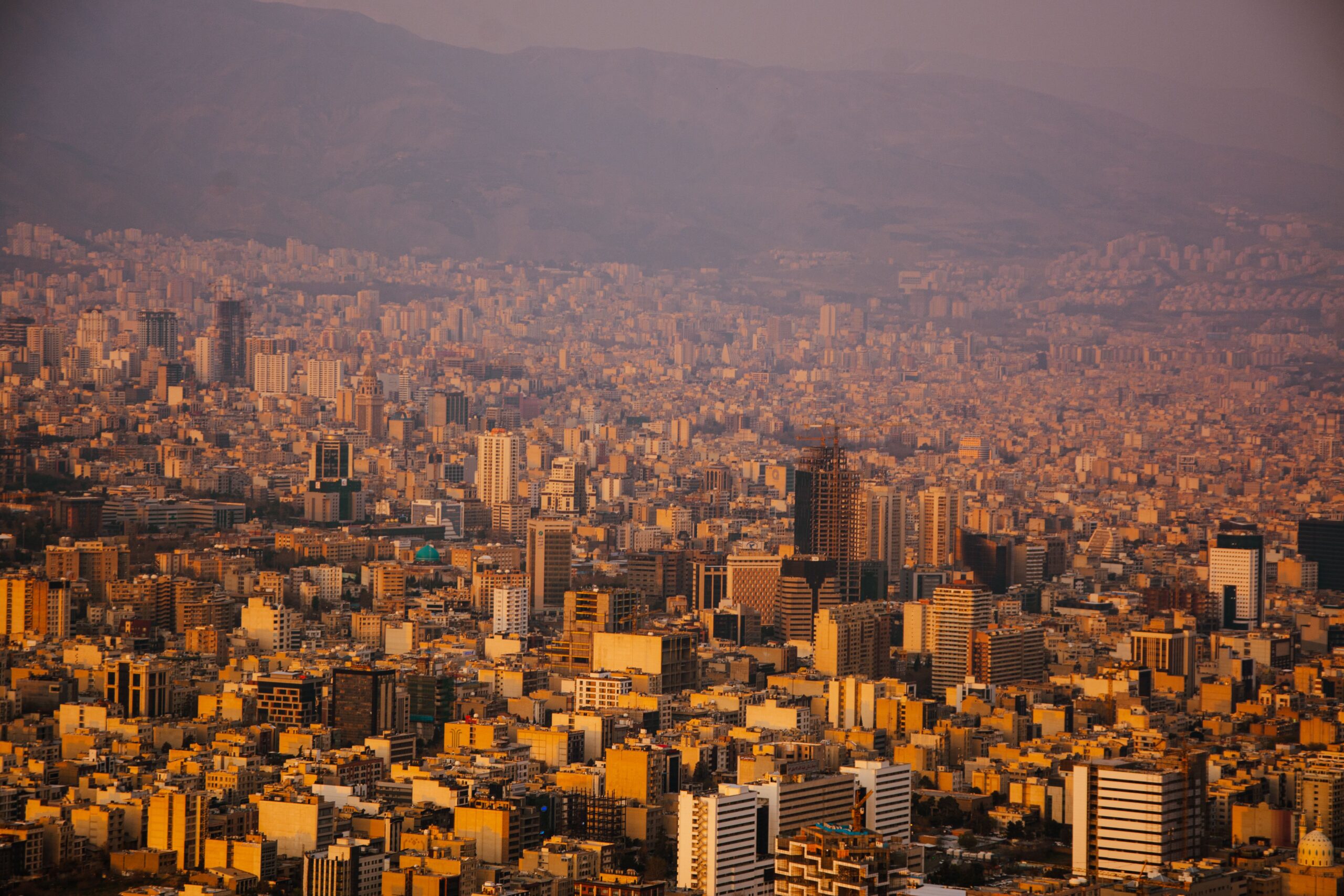
Al Jazeera’s correspondent in Tehran, Resul Serdar Atas, noted that the mistrust between the two parties is the central obstacle. He explained that Iranian officials argue they have been attacked by the US on two previous occasions while engaged in diplomacy. Consequently, Tehran is demanding “concrete steps” rather than verbal assurances. These steps include lifting sanctions, removing the naval blockade, returning frozen assets, and allowing Iran to sell oil on the global market. Atas described the Qatari role not as negotiating a final peace deal, but as establishing a framework to restart negotiations. “The reading is that the Qataris carried a message to Tehran and immediately left after that,” he said, highlighting the brevity and sensitivity of the recent diplomatic shuttle.
Political timelines in Washington are adding a layer of urgency to the standoff. President Donald Trump stated on October 8 that the US would not attack Iran before the midterm elections held on Tuesday. This statement has been interpreted by some analysts as a constraint on executive decision-making during a sensitive voting period. However, Iranian Deputy Foreign Minister Kazem Gharibabadi dismissed the idea that Tehran is waiting for the outcome of US elections to shape its policies, stating plainly that Iran is neither waiting for the results nor aligning its strategy with them.
The economic implications of this stalemate are significant, particularly regarding energy markets and trade routes. Iran’s demand to sell oil on the global market is a direct challenge to existing sanction regimes, while the US insistence on freedom of navigation in the Strait of Hormuz protects the flow of roughly 20% of the world’s oil supply. Zeidon Alkinani, founding director of the Arab Perceptions Institute, observed that “diplomacy and force are running in parallel.” He noted that while the diplomatic channel has remained alive since March, a fundamental breakthrough has yet to be achieved. US Vice President JD Vance expressed optimism on Monday about reaching a negotiated settlement, suggesting that the administration is still exploring diplomatic exit ramps despite the ongoing military posturing.
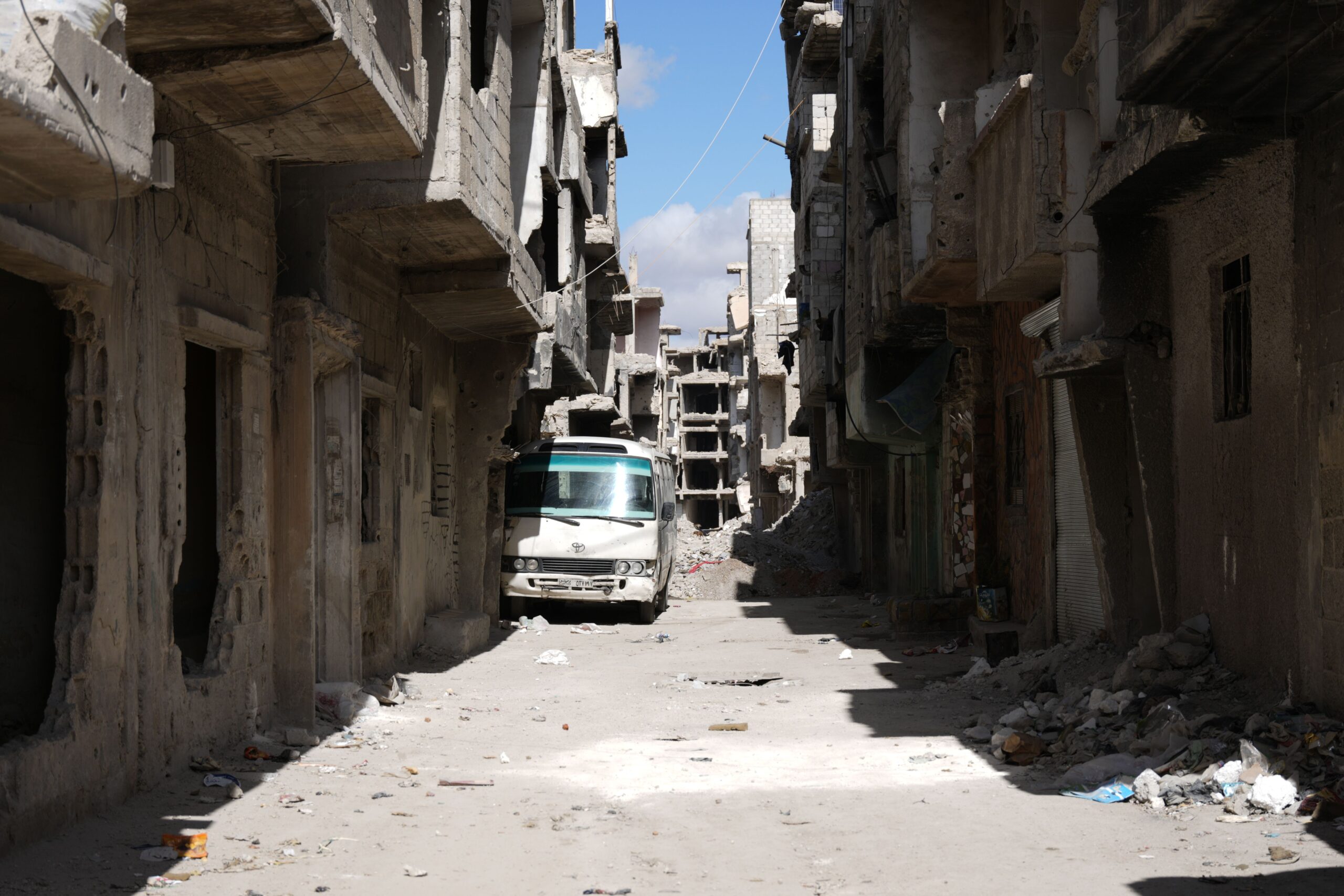
Domestic developments in Iran suggest a hardening of positions. Tehran’s Hamshahri newspaper reported that Iran had updated its target bank to include US bases and infrastructure in Europe, a significant expansion of potential retaliation targets if the conflict escalates. Parliament Speaker Mohammad Bagher Ghalibaf, who serves as Iran’s lead negotiator, placed the responsibility squarely on Washington, stating, “The ball is in America’s court to prevent war.”
For now, the focus remains on the next move from either side. The US must decide whether to adhere strictly to its pre-election restraint or respond to the IRGC’s drone claims with further force. Iran, meanwhile, must decide if its five-point roadmap is a genuine offer or a maximalist demand designed to signal strength. As Qatari mediators continue their shuttle diplomacy, the window for de-escalation appears to be narrowing, with each side trapped between the desire for diplomatic validation and the pressure to demonstrate military resolve.