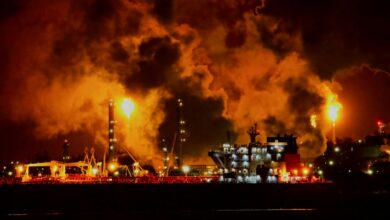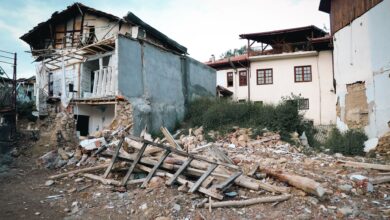
The timing of the strikes was delicate, occurring just hours after U.S. President Donald Trump signaled that a deal with Iran “could happen.” This development arrived as U.S. voters prepared to cast their ballots in midterm elections, a political context dominated by public dissatisfaction with the war and the inflation it has exacerbated. The conflict, which began with a massive wave of joint U.S. and Israeli strikes in late February, has since upended global markets and created a persistent flashpoint in the Middle East. While U.S. Central Command did not immediately respond to requests for comment, an Israeli military spokesperson explicitly denied involvement in the latest reported strikes, stating, “No.” This distinction is significant, as Israel had previously participated in the initial large-scale operations alongside the United States.
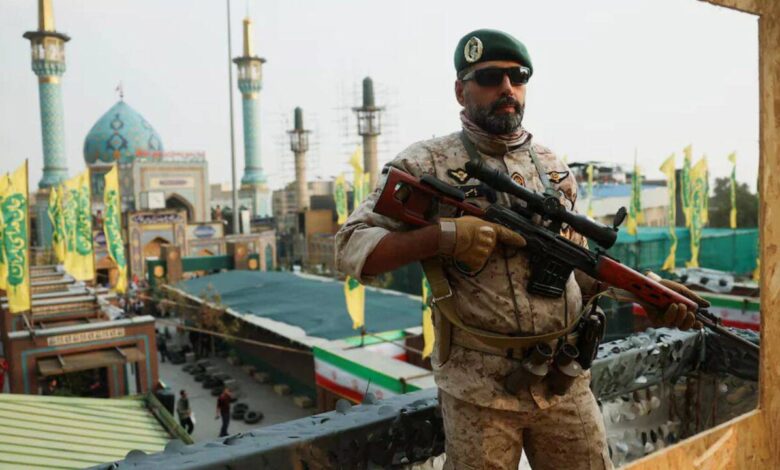
Iran’s reaction to the strikes was immediate but calibrated. Mohammad Bagher Ghalibaf, Iran’s chief negotiator in talks with the U.S., stated that the Islamic Republic was “ready for battle with its finger on the trigger,” while adding that “the ball is now in America’s court to prevent war.” Later on Tuesday, Deputy Foreign Minister Kazem Gharibabadi asserted that Iran retained the right to “legitimate self-defence” in response to the attacks. These statements underscore the dual-track nature of the current situation: a continued military posture of readiness coupled with a diplomatic effort to avoid a broader resumption of hostilities.
Amidst the military tension, diplomatic channels remain active. Qatar, which has played a pivotal mediating role for the past eight days, expressed continued hope for a resolution. Majed Al Ansari, the Qatari foreign ministry spokesperson, addressed a weekly briefing in Doha, noting that regional neighbors and international partners are working to facilitate a settlement. “If there were no hope, there would be no negotiations,” Al Ansari said. He detailed that a Qatari delegation had met with Iranian officials in Tehran for more than three hours on Monday before returning to Doha that evening. Following these meetings, Washington and Tehran are currently reviewing proposals exchanged in real time.
The strategic objective of the current diplomatic effort is an interim agreement intended to build trust between the two sides. Al Ansari emphasized that “confidence is built through the process, not specific actions,” suggesting that an interim deal could serve as a foundational step toward a more lasting resolution. This approach aims to demonstrate that both parties are willing to carry out commitments, thereby reducing the risk of miscalculation that has characterized the stalemate since February. The mediators are working to address Tehran’s conditions for de-escalation, recognizing that Washington’s fulfillment of these demands is viewed as essential by Iranian officials.
The operational and strategic landscape is further complicated by the political realities in both the United States and the region. In the U.S., the midterm elections present a challenge to President Trump’s grip on power, with the war and its economic consequences serving as central themes in the campaign. In Israel, last week’s elections saw Prime Minister Benjamin Netanyahu’s party emerge as the top vote-getter, though it fell short of a majority, creating a fragmented political environment that may influence long-term foreign policy decisions. The Strait of Hormuz, where the strikes took place, remains a critical chokepoint for global energy supplies. The recent undeclared strikes highlight the limitations of conventional deterrence in this environment, where low-intensity conflicts can escalate rapidly without formal declarations of war.
What remains uncertain is whether the defensive strikes on Qeshm island will derail the ongoing negotiations or serve as a pressure tactic to enforce diplomatic leverage. The U.S. characterization of the strikes as defensive suggests an intent to protect specific interests without provoking a full-scale Iranian retaliation that would compromise the interim deal framework. However, the Iranian assertion of the right to self-defense indicates that Tehran may view the strikes as a violation of sovereignty, potentially complicating the trust-building process advocated by Qatari mediators. The next confirmed development will hinge on whether the proposals currently under review in Washington and Tehran yield a tangible interim agreement, or if the military posturing escalates into a broader exchange of fire, further destabilizing the region and global markets.