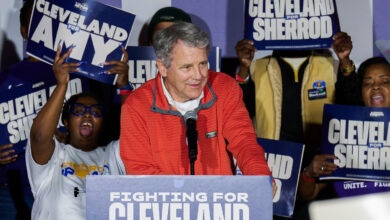
The vote is the culmination of a year-long political and legal struggle over one of the state’s two Democratic-held districts. In 2023, Republican lawmakers in Missouri passed a new congressional map in response to the president’s mid-decade redistricting initiative. The primary objective of the new lines was to target longtime Democratic Representative Emanuel Cleaver, who represents a Kansas City district. The redrawn map would have placed Cleaver in a heavily Republican-leaning district, effectively attempting to oust him from office in the next election cycle and secure an additional House seat for the GOP.
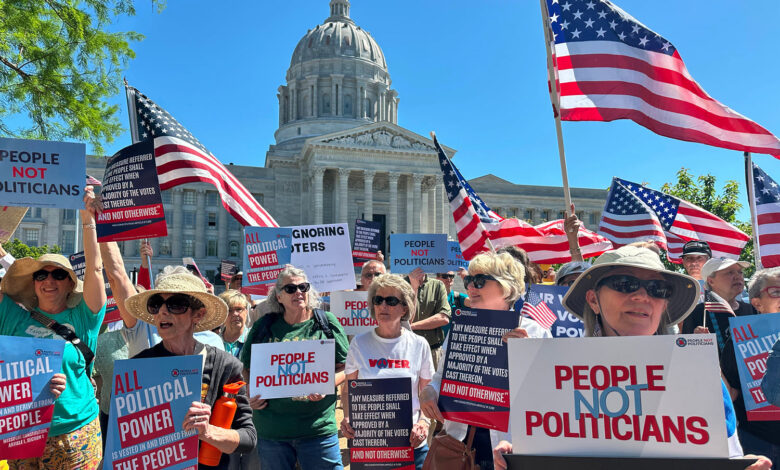
Opposition to the map was organized by a coalition known as People Not Politicians Missouri. The group reported gathering more than 300,000 signatures to place a referendum on the ballot, a figure significantly exceeding the 106,000 required to trigger a statewide vote. Following the gathering of these signatures, the legislation was typically placed on hold until voters could weigh in. However, Missouri Republicans argued that the map should be implemented immediately for the 2024 midterm elections, bypassing the referendum process.
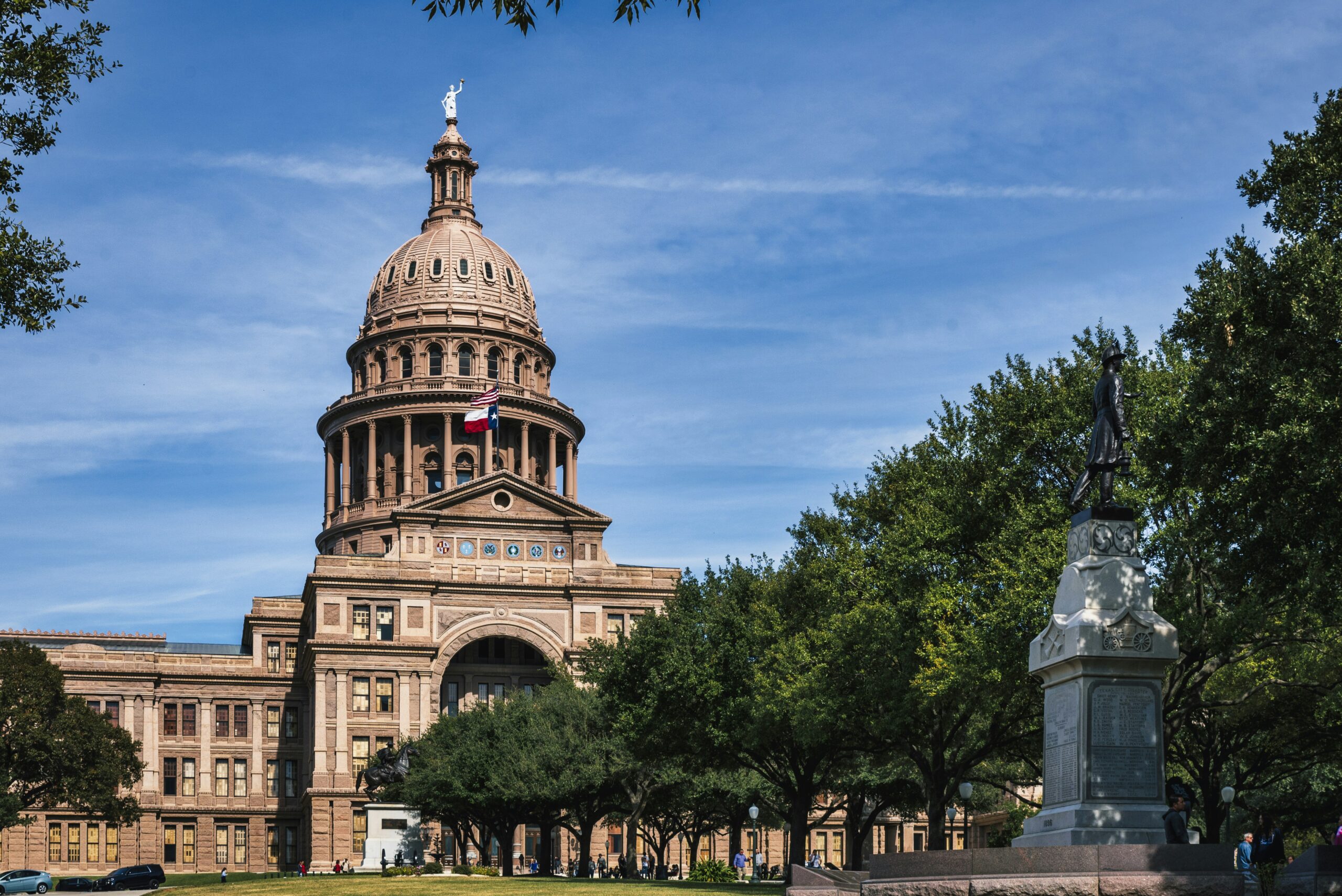
The conflict moved swiftly into the judicial system. Denny Hoskins, the Republican Secretary of State, waited until the statutory deadline in August to announce that he would not certify the referendum for the November ballot, declaring it unconstitutional. This decision triggered a series of legal challenges that ricocheted through both state and federal courts, at times producing conflicting rulings. The Missouri Supreme Court ultimately ruled that the Republican-backed map could not be in effect for the midterms, mandating that voters decide on the measure. The U.S. Supreme Court subsequently upheld this state court ruling, rejecting Missouri Republicans’ attempts to use the redrawn map for the 2024 elections on three separate occasions.
Despite the legal hurdles and the ongoing national push for mid-decade redistricting, the electorate sided with the preservation of the existing lines. Representative Cleaver, whose reelection was directly threatened by the proposed map, was easily reelected Tuesday according to the Associated Press. His victory underscores the immediate political consequence of the ballot measure: the defensive strategy to weaken his district failed.
Missouri’s decision is part of a broader national trend. Nine states enacted new congressional maps ahead of the 2026 midterms, a move that departs from the traditional process that occurs only every ten years following the new census. This mid-decade battle is expected to extend into the next election cycle. Democratic-led states have continued to attempt to counteract the initial push from the White House, while Republican-led states have responded to a major Supreme Court ruling this year that opened the door to dismantling majority-Black districts represented by Democrats.

Other states also addressed redistricting rules in the same election cycle. Maryland voters approved a constitutional amendment that changes the rules for congressional redistricting, allowing Democratic state leaders to redraw districts ahead of the 2028 election. Meanwhile, Colorado voters considered a constitutional amendment that would ban congressional maps that purposefully favor one political party. These concurrent developments highlight the intensifying polarization and legal complexity surrounding electoral boundaries in the United States.
For now, the political landscape in Missouri remains unchanged regarding congressional districts, with the existing lines staying in place. The next major electoral event will be the 2026 midterm elections, where the outcome of this redistricting fight will have no impact, as the rejected map was not in effect. The legal and political fallout from the mid-decade redistricting initiative, however, remains unresolved, with both parties continuing to maneuver for advantages in future cycles.