
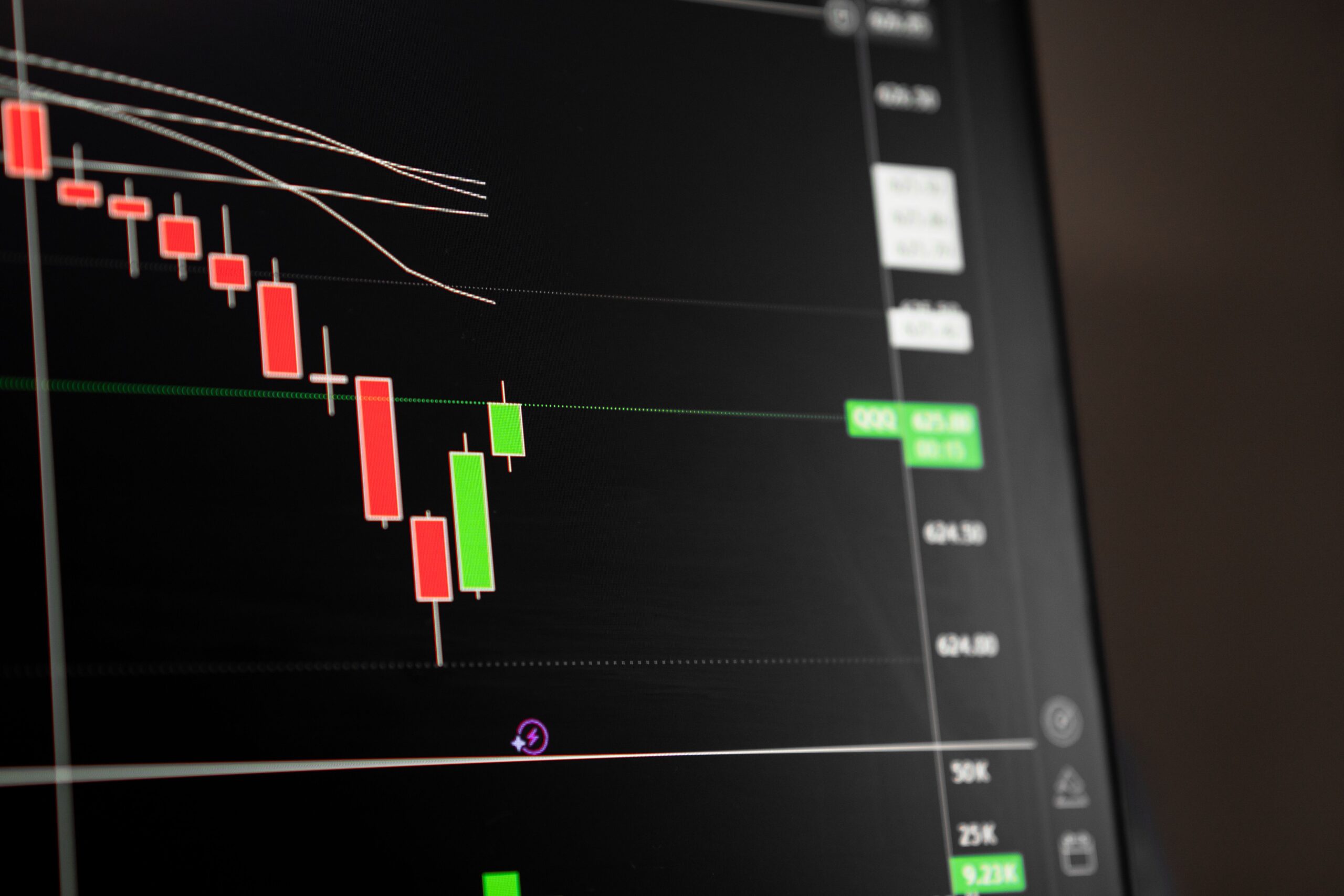
The immediate financial impact of such a drop is substantial for individuals in the drawdown phase of their financial lives. However, historical market data provides context for the long-term trajectory following similar corrections. According to data cited in recent financial analyses, Thursday’s move was the 46th instance since late 1999 where the S&P 500 index fund lost 4% or more in a single session. In 39 of those 45 prior occurrences, the index was higher one year later, with a typical gain of 25%. Conversely, in only six instances was the index lower after a year, with the worst outcome being a 16% loss following the first trading day after the September 11 attacks.
Short-term projections are less definitive. One month after a 4% or greater decline, the S&P 500 was higher in 29 of 45 cases and lower in 16. Six months out, the index was higher in 33 of 45 cases. Analysts note that while bad days often cluster, with 16 of the 45 significant drops occurring in the fall of 2008 and nine in the first half of 2020, the specific outcome of the first major drop in a selloff varies. When isolating only the first 4% drop of each historical selloff, the market was higher a year later in seven of 11 episodes. All four instances where the market was lower a year later occurred between 2000 and 2008, while all seven episodes since 2011 resulted in positive returns.
Warren Buffett’s 2008 investment decision offers a case study in contrasting short-term pain with long-term gain. On October 16, 2008, one month after the failure of Lehman Brothers, Buffett announced in The New York Times that he was purchasing American stocks. At the time, the S&P 500 index fund closed at $93.77. Over the subsequent five months, the fund declined another 27% to $68.11 on March 9, 2009. However, one year after his announcement, the fund was 16% higher than his entry point, and five years later, it had risen 86%. As of the recent market close, the fund stands 682% higher than Buffett’s 2008 purchase price, excluding dividends.
For retirees, the critical distinction lies in the necessity of liquidity. Unlike institutional investors or long-term holders who can ride out volatility, retirees often rely on portfolio withdrawals to fund living expenses. Buffett’s 2013 letter to shareholders outlined a strategy for his own estate: 90% in a low-cost S&P 500 index fund and 10% in short-term government bonds. The bond allocation serves as a cash buffer, ensuring that expenses can be met without selling equities during market downturns.
Applying this logic to the $800,000 retiree scenario, a 60/40 portfolio allocation results in $480,000 in stocks and $320,000 in bonds and cash. If the retiree adheres to a 4% annual withdrawal rate, they would draw $32,000 per year. Combined with potential Social Security benefits of $2,800 per month ($33,600 annually), the retiree’s total annual expenses would be covered by the bond/cash portion alone for approximately ten years, assuming no market growth on that segment. With short-term Treasuries currently yielding approximately 4.2%, this liquidity buffer provides both income and principal preservation during equity turbulence.

Following Thursday’s decline, the equity portion of the hypothetical portfolio is now valued at approximately $458,800, reducing the overall portfolio value to $778,800. This shift changes the asset allocation to approximately 58.9% stocks. To return to a target 60/40 split, the retiree would need to purchase an additional $8,500 in equities, a counter-intuitive move relative to the immediate sentiment of the market. Financial advisors suggest that retirees should ensure their monthly withdrawals are sourced from the bond and cash allocations while equities are depressed, rather than selling stocks in a proportional manner. This strategy mitigates the risk of locking in losses and ensures that long-term growth assets remain intact for future recovery.
The data suggests that while single-day losses of this magnitude are painful, they are historically followed by recovery in the majority of cases. The primary risk for retirees is not the volatility itself, but a portfolio structure that forces the sale of equities to meet immediate cash needs. By maintaining a sufficient cash and bond buffer, investors can decouple their living expenses from market performance, allowing the equity portion of the portfolio to participate in the long-term upward trend without the distortion of forced selling.





One Comment