

The legislation was crafted by an unusual coalition of four senators: Shelley Moore Capito (R-W.Va.), Sheldon Whitehouse (D-R.I.), Mike Lee (R-Utah), and Martin Heinrich (D-N.M.). The bill proposes significant changes to federal permitting processes, including new limits on the duration of lawsuits and tighter deadlines for environmental reviews under the Clean Water Act and the National Environmental Policy Act (NEPA). It also includes language making it more difficult for federal agencies to revoke permits once they are issued, a provision prioritized by renewables groups and Democrats who have expressed frustration with recent administration barriers.
For conservatives, the bill represents a move to cut government bureaucracy. Senator Capito stated that for far too long, critical investments in infrastructure, energy production, and the economy have been forced to sit on the sidelines due to endless red tape, duplicative reviews, and regulatory uncertainty. Conversely, for liberals, the bill is framed as an opportunity to lower energy costs, reduce emissions, and address what they describe as a “free ride” by data centers. Senator Whitehouse noted that Democrats are focused on these goals and that Americans will start to get relief quickly if the bill passes.
A central component of the legislation addresses the growing footprint of data centers. To alleviate concerns about these facilities shifting costs to other consumers, the bill would require new data centers of 20 megawatts or more to pay the full incremental cost of the infrastructure built to serve them. Additionally, the measure expands federal authority over the siting and approval of certain interstate transmission projects, aiming to accelerate electricity transmission and reduce chokepoints for completing projects.
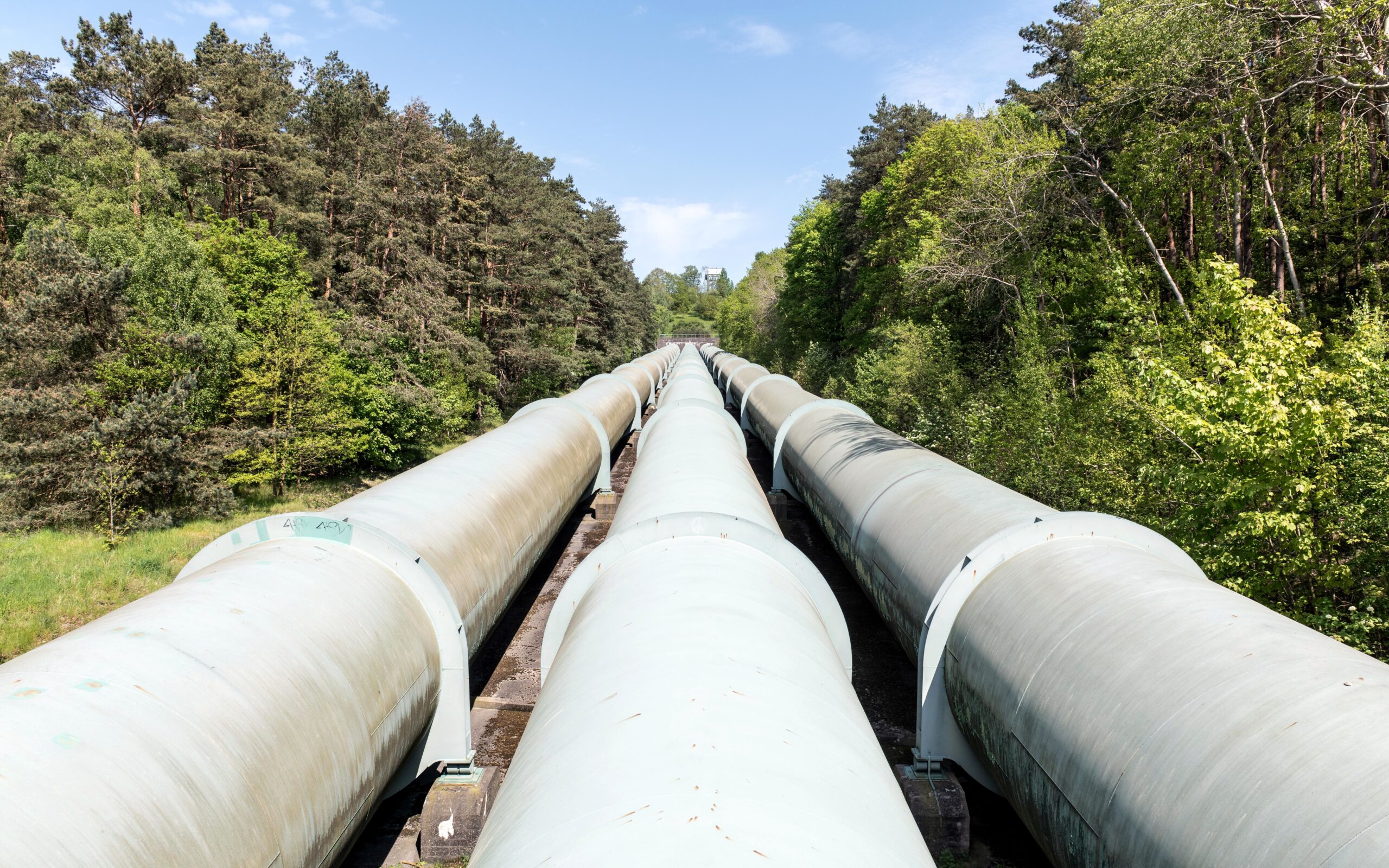
The political dynamics surrounding the bill reveal a complex alignment of interests. Energy and business groups, ranging from renewables developers to manufacturers and the oil and gas industry, are lobbying for the measure. The AFL-CIO and many individual unions also back the bill. However, the legislation has sparked opposition from environmental advocates and Native American tribal organizations. Critics argue that the plan, which has White House support, would dangerously erode safeguards in the NEPA and other laws. Multiple tribal groups continue to oppose the bill, despite changes aimed at easing concerns about consultation on historic preservation.
In the Senate, the bulk of the opposition came from Democrats, though the willingness to support the simplification of permitting rules represents a philosophical shift for those who endorsed it. Liberal policy experts have recognized that existing laws often hinder their own goals. Adam Jentleson, a former Senate Democratic aide and founder of the research group Searchlight Institute, noted that the bill removes many of the obstacles that hamstrung previous climate investments. He cited the Inflation Reduction Act, stating that a big part of those projects could not break ground due to regulatory red tape.
With the Senate vote concluded, the measure now heads to the House. The bill must pass the House before the end of the year, and any differences between the two chambers must be resolved before President Trump can sign it into law. Speaker Mike Johnson (R-La.) told Bloomberg last week that he expects to have the votes to pass the plan. Majority Leader Steve Scalise (R-La.) expressed optimism, stating, “We want to see a bill pass both chambers… Obviously, the details matter. … Hopefully, they pass a good bill back, and if not, we’ll work out those differences. But we want to get a bill to the president’s desk, and that’s still got a great chance to happen.”
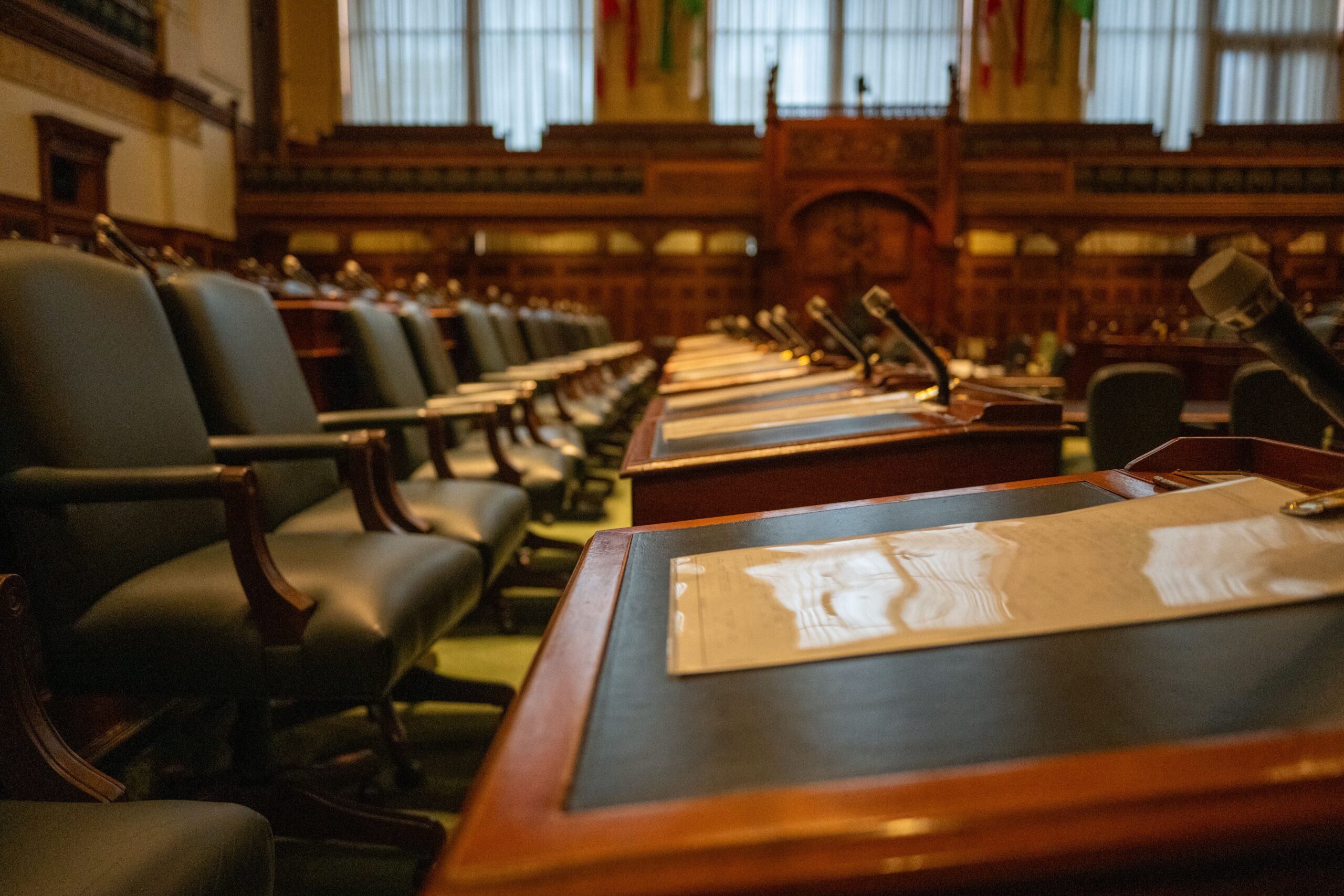
Senate Majority Leader John Thune (R-S.D.) emphasized the procedural advantages of the Senate version, noting that it has been through extensive debate. “It has been litigated now for months,” Thune told reporters. “Everything gets more complicated over here procedurally, and if it were to go over there and then come back over here, I can’t predict what happens. So hopefully there’ll be the critical mass there to move it. … It’s been through the full monty when it comes to the legislating process.”
Despite the momentum, uncertainty remains regarding the final outcome. Some Democrats have called for hitting the brakes, arguing that they can write a better package when they control Congress next year. However, multiple backers within the wider Democratic coalition argue that there is no political space for an altered bill that President Trump would sign. The focus now shifts to the House, where the specifics of the permitting overhaul will be scrutinized, and where the final shape of this infrastructure legislation will be determined.