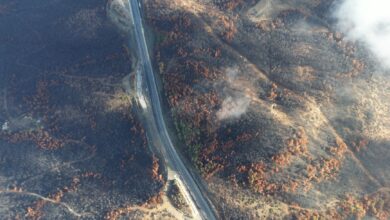
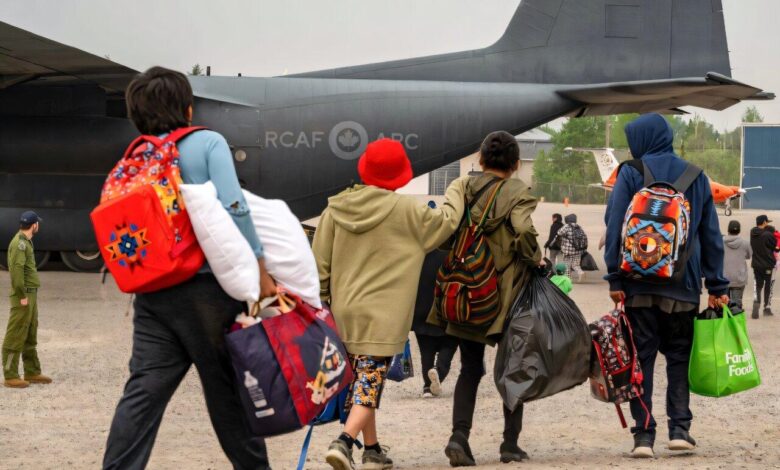
First Nations communities are bearing a disproportionate burden of the crisis. Ontario officials estimate that more than 1,600 First Nations residents have been displaced by wildfires this season. In northwestern Ontario, the Namaygoosisagagun (Collins) First Nation was overwhelmed by a fast-moving fire that destroyed much of the community in less than an hour after flames jumped natural fire breaks. Residents were evacuated by boat as the fire advanced, leaving them with little time to gather belongings. Earlier this month, the Boothroyd Indian Band in British Columbia also issued mandatory evacuation orders for multiple reserve lands as the Brunswick Creek wildfire threatened homes and essential infrastructure.
In response to the escalating situation, the federal government has announced new investments to expand Indigenous-led wildfire management programs. Public Safety Canada stated in a July update that it is coordinating with provincial governments, Indigenous leaders, and emergency management agencies to facilitate evacuations and provide emergency assistance. The new funding specifically supports training for Indigenous wildland firefighters through the Délı̨nę Got’ı̨nę Government in the Northwest Territories. Additional resources are being directed toward wildfire response capacity-building with Chipewyan Prairie First Nation in Alberta, as well as emergency planning initiatives with Métis organizations in British Columbia, Alberta, Saskatchewan, and Ontario.

These investments reflect a growing recognition of the role Indigenous knowledge plays in wildfire management. For generations, many Indigenous Nations have utilized cultural burning and other traditional land stewardship practices to reduce fuel loads and maintain healthier forest ecosystems. In recent years, governments across Canada have increasingly incorporated these Indigenous fire stewardship methods into broader wildfire management strategies. Indigenous leaders have emphasized that emergency response alone is insufficient, calling for greater investment in year-round community resilience and the expansion of traditional fire stewardship practices.
Health officials are warning that wildfire smoke poses serious risks, particularly for elders, children, pregnant women, and individuals with heart or respiratory conditions. Environment and Climate Change Canada and Health Canada advise residents in affected areas to remain indoors when smoke levels are high. Authorities recommend using HEPA air filtration when possible, limiting strenuous outdoor activity, and wearing a properly fitted N95 respirator if outdoor exposure cannot be avoided.
With weeks of peak wildfire season still ahead, firefighting crews continue to battle hundreds of active fires. First Nations communities remain on the front lines of this crisis, testing both emergency response systems and the government’s commitment to supporting Indigenous communities before, during, and after disasters. The situation highlights the urgent need for sustained investment in resilience and the integration of Indigenous-led solutions in long-term environmental policy.