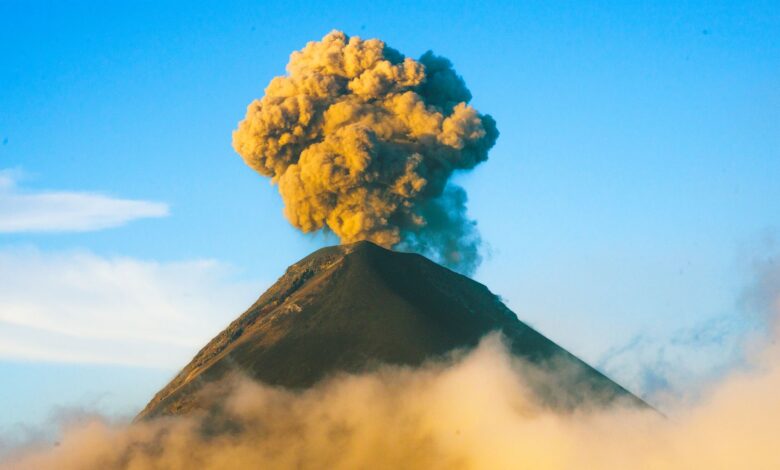
Phivolcs, the Philippine Institute of Volcanology and Seismology, is bracing for renewed eruptive activity. The agency has intensified its monitoring efforts to track changes in seismicity, ground deformation, and gas emissions. While the alert level has been reduced, officials emphasize that the volcano remains active. The shift to Alert Level 2 does not imply that the hazard has disappeared; rather, it indicates a transition from a state of imminent major eruption to one where smaller eruptions or continued unrest are expected. Authorities are advising the public to remain vigilant and adhere to established safety guidelines.
Alert Level 2 in the Philippine volcanic alert system typically requires the evacuation of areas within the designated danger zones if signs of immediate eruption become more pronounced. Local government units have been instructed to keep evacuation centers ready and to monitor the situation closely. The primary concern remains the potential for ashfall, pyroclastic flows, and lava flows, which can pose significant risks to communities located in the lower flanks of the volcano. The reduction in the alert level allows for a slight relaxation of emergency measures compared to Alert Level 3 or 4, where evacuation is mandatory, but it does not lift the restrictions on entry into the hazard zones.

Monitoring and Scientific Context
Volcanic alert levels are dynamic and are adjusted based on real-time data from continuous monitoring networks. For Mayon Volcano, this includes seismographs that detect tremors, GPS stations that measure ground inflation or deflation, and thermal cameras that identify hot spots indicative of lava movement. The recent data reviewed by scientists showed a trend that justified the downgrade. However, volcanic systems can change rapidly, and the agency has stated that the alert level could be raised again if monitoring parameters exceed certain thresholds.
The scientific community emphasizes the importance of clear communication during such events. Misinterpretation of alert levels can lead to either dangerous complacency or unnecessary panic. By lowering the alert to Level 2, authorities aim to balance the need for continued caution with the practical realities of life for residents in the surrounding areas. The focus now shifts from emergency response to preparedness and ongoing observation. Residents are encouraged to stay informed through official channels and to avoid spreading unverified rumors regarding the volcano’s status.

Mayon Volcano is one of the most active in the Philippines, known for its near-perfect cone shape and frequent eruptions. Its activity is driven by the subduction of the Philippine Sea Plate beneath the Eurasian Plate. Historical records show that the volcano has erupted multiple times in the last century, with varying intensities. The current episode of unrest is part of this broader geological context. While the immediate threat has been assessed as lower than previously, the underlying mechanisms driving the volcanic activity remain in place.
In the coming weeks, the priority for monitoring agencies will be to detect any signs of escalation. This includes looking for increases in the frequency of volcanic earthquakes, rapid changes in ground height, or new fumarole activity. If such signs appear, the alert level may be adjusted accordingly. The next assessment will be based on the latest data from the monitoring network. Authorities are committed to providing timely updates to the public and local officials to ensure that any necessary actions can be taken promptly. The situation remains under close watch, with the primary goal of safeguarding the lives of those living in the shadow of the volcano.