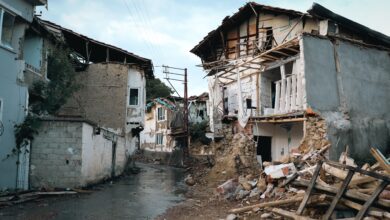

Guerrero is a state of profound contrasts. On one hand, it is classified under a U.S. “Do Not Travel” advisory due to high rates of violence, with Acapulco posting a homicide rate of approximately 70 per 100,000 residents. On the other, the state’s 500-kilometer Pacific shoreline is home to a burgeoning movement of community-led resilience. In the wake of Hurricanes Otis and John, artists, cultural managers, and educators in Acapulco and Coyuca de Benítez launched community workshops aimed at supporting the emotional recovery of children and adolescents. These efforts, supported by UNESCO’s Heritage Emergency Fund and coordinated by Mexico’s Ministry of Culture, view culture not merely as entertainment, but as a essential tool for rebuilding the social fabric.
This philosophy is embodied in the upcoming documentary Horizontes de Resiliencia, set to premiere in Acapulco in November 2026. Directed by Héctor López Taboada, a member of the Acapulco-based collective Trashumantes, the 74-minute film explores the question of what society must rebuild toward after catastrophe. It documents the work of local creators in the period between the hurricanes, highlighting a collective story of resistance. The film’s production, supported by the National Fund for Tourism Development (FONATUR), represents a distinct approach to post-disaster recovery: one that prioritizes the psychological and cultural reintegration of communities rather than focusing solely on physical infrastructure.
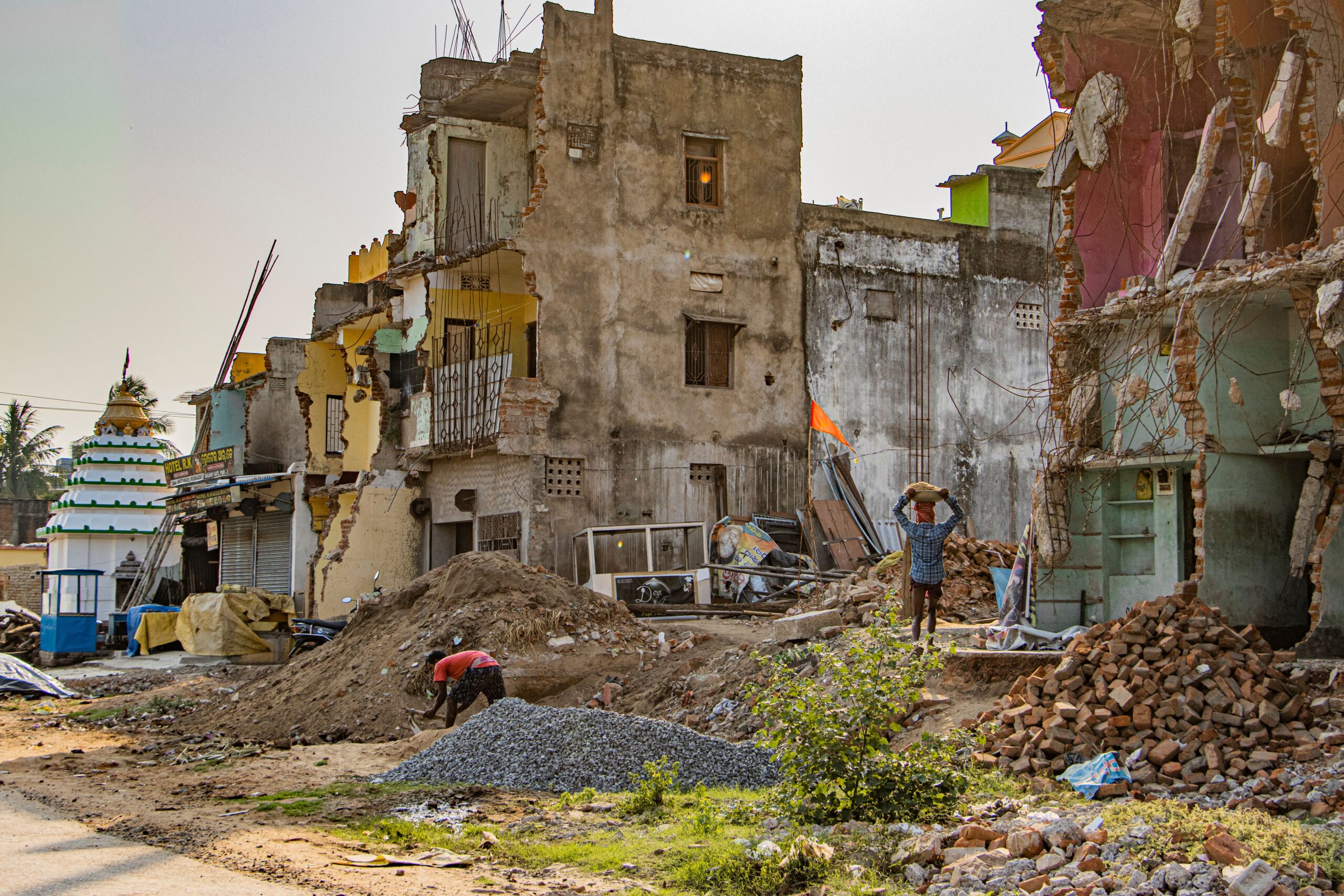
Parallel to these cultural initiatives is a quiet, persistent push for ecological regeneration in the state’s northern coast, known as Costa Grande. Here, the narrative of danger is complicated by the existence of sustainable enclaves like Playa Viva, a community of roughly 700 residents that has flourished since 2008. The site has incubated ReSiMar, a nonprofit dedicated to regenerating the landscape from the mountains to the sea. Through work in water management, fisheries, permaculture, and ecosystem restoration within the Juluchuca micro-watershed, the organization seeks to restore what founder David Leventhal describes as the “abundance that used to exist.” This includes the recovery of dense forests and lagoons, providing local communities with economic alternatives to resource extraction.
Further south in Barra de Potosí, a fishing village of 500 residents, the environmental stakes are equally high. The local 800-hectare mangrove lagoon supports over 200 bird species and serves as a nesting ground for sea turtles and a winter habitat for humpback whales. Local cooperatives manage boat tours and a turtle camp on Playa Blanca, where visitors participate in dawn hatchling releases. These efforts suggest that while the state faces significant security and seismic challenges, specific coastal communities are successfully integrating ecological preservation with local livelihoods.

However, the recent earthquake underscores the fragility of these systems. In the immediate aftermath, communications were cut off along the Costa Chica, and a hospital in Chilpancingo suffered major structural damage, forcing the evacuation of patients. For residents like José Raymundo Díaz Taboada, a doctor living on the peaks ringing Acapulco, the quake was a test of preparedness; he was ready with a backpack of essentials, though the shaking was less intense than previous seismic events. The coexistence of these risks and resilience efforts illustrates a region in transition. As Guerrero continues to navigate the dual pressures of natural hazards and social instability, the path forward appears to be paved by a combination of ecological stewardship, cultural preservation, and a deep, communal commitment to rebuilding.