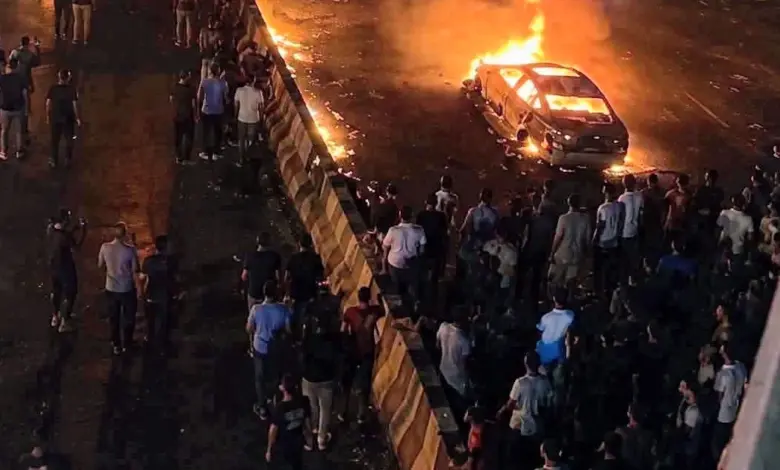
The scale of the loss of life has drawn immediate attention from across the region. Within 24 hours of the accident, high-level condolences were dispatched to the Egyptian government, reflecting the geopolitical weight of Egypt in the Arab world. The Turkish Ministry of Foreign Affairs issued a written statement expressing “deep sorrow” over the casualties, offering prayers for mercy to the victims and rapid recovery for the injured. Similarly, Palestinian President Mahmoud Abbas sent a cable of condolences to Egyptian President Abdel Fattah el-Sisi, affirming “Palestine’s solidarity with and support for Egypt during this difficult time.” Abbas, speaking on behalf of the State of Palestine and its people, extended heartfelt sympathy to the families of the victims and prayed for protection for the Egyptian people.
From Doha, the Prime Minister and Minister of Foreign Affairs of Qatar, Sheikh Mohammed bin Abdulrahman bin Jassim Al Thani, also extended his condolences via social media. His message, posted on Thursday, November 26, addressed the families of the victims in Giza Governorate and offered prayers for the protection of the Arab Republic of Egypt. These diplomatic gestures underscore the interconnectedness of regional leadership; while the incident is a domestic tragedy, the swift and unified response from neighboring states and regional powers serves to reinforce diplomatic ties and mutual respect during a moment of national grief.
Domestically, the Egyptian government has moved to address the immediate economic and social fallout of the disaster. Cabinet Spokesperson Mohamed Adel announced that the government had received several initiatives from representatives of the business community to support state efforts in assisting those affected. Specifically, three prominent businessmen—Hisham Talaat Moustafa, Ahmed Ezz, and Yassin Mansour—each pledged EGP 10 million, totaling EGP 30 million, to support the families of those killed or injured. This private-sector contribution is intended to ease the impact of the tragic incident on the bereaved families and the injured.
Prime Minister Mostafa Madbouly publicly thanked the three businessmen for their “generous initiative,” highlighting a collaborative model of crisis response where state authority coordinates with civil society resources. To ensure transparency and efficiency in the distribution of these funds, the Prime Minister instructed the Ministry of Social Solidarity to oversee the disbursement of the donations to the beneficiaries. This administrative step is crucial in a context where large-scale accidents can strain public resources; by leveraging private wealth under state supervision, the government aims to provide targeted relief while maintaining control over the aid distribution process.
There is a slight discrepancy in the reported number of injured individuals across the available sources. The Turkish Foreign Ministry statement, citing the event in Giza, noted that 21 people were injured. In contrast, the Qatari Prime Minister’s statement, released the following day, reported that 26 people were wounded. The Egyptian Gazette, reporting on the government’s response, did not specify a revised injury count but focused on the financial support measures. This variance is not uncommon in the immediate aftermath of major accidents, as initial emergency reports are often updated as survivors are treated and triaged in hospitals. The death toll, however, remains consistent across all sources at 31 victims.
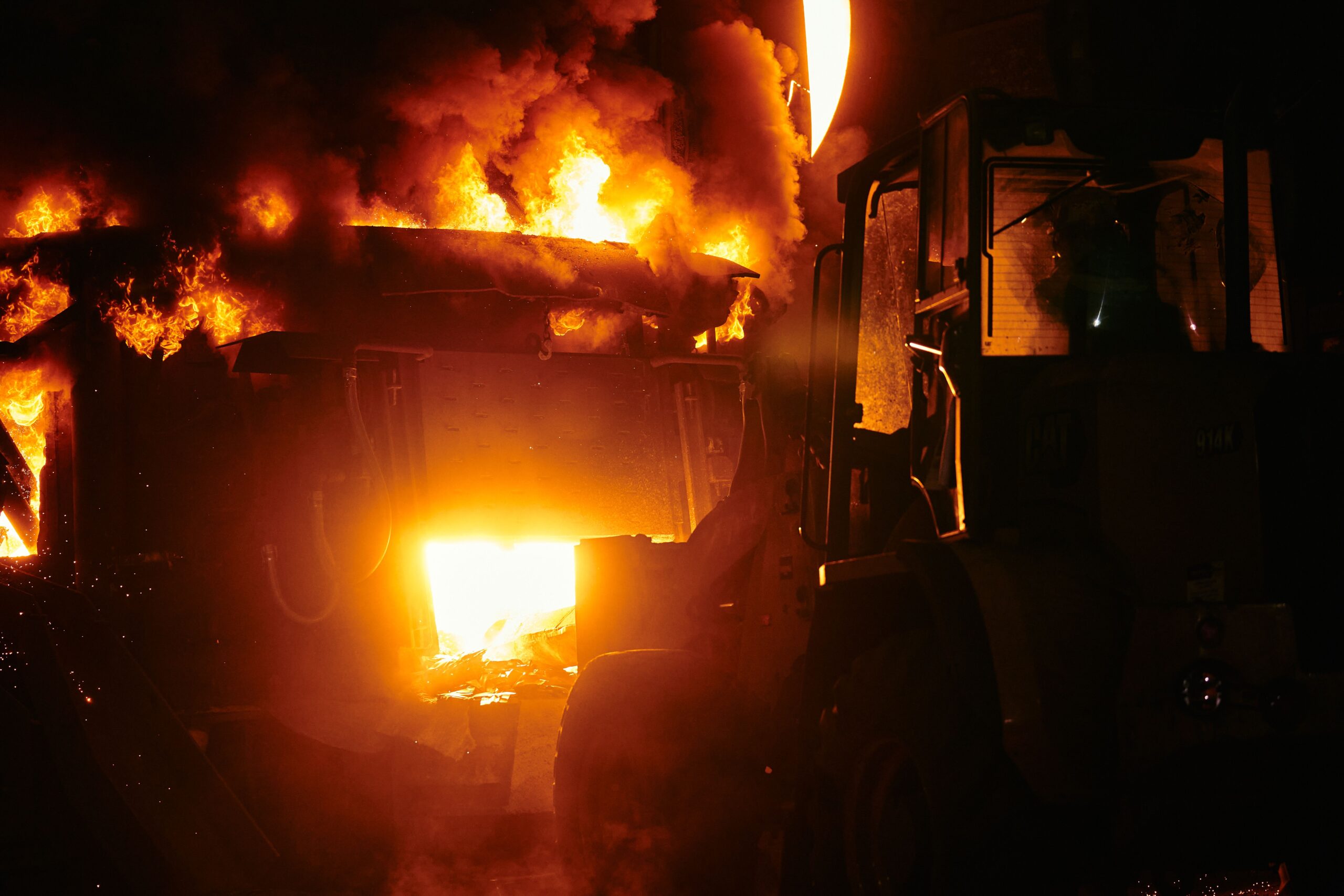
The accident occurred in the Warraq area, a significant node in the Giza Governorate’s infrastructure. The Ring Road is a critical artery for traffic between Cairo and Giza, making such incidents not only personal tragedies but also disruptions to the logistical flow of one of the region’s most populous metropolitan areas. The involvement of a fuel tanker suggests a potential failure in road safety protocols or vehicle maintenance, though no official investigation findings have been released in the provided materials. The focus of the current narrative remains on the human cost and the institutional response rather than the technical causes of the crash.
The diplomatic and governmental responses illustrate the mechanisms through which modern states manage geopolitical and domestic crises. For Egypt, the swift acknowledgment from figures like President Abbas and the Qatari Prime Minister reinforces its standing as a central actor in the region. The domestic response, characterized by the coordination between the Cabinet, the Ministry of Social Solidarity, and major business figures, demonstrates a structured approach to mitigating the social impact of industrial disasters. The EGP 30 million fund, while a substantial sum, represents a fraction of the long-term economic burden such accidents place on families, particularly in the absence of comprehensive commercial insurance coverage for all victims.
As the investigation into the fuel truck crash proceeds, the attention of the public and international observers will likely shift from the initial shock and condolences to the accountability and safety reforms that may follow. The Ministry of Social Solidarity’s role in distributing the pledged funds will be a key indicator of the government’s commitment to supporting the affected families. The tragedy in Warraq serves as a stark reminder of the vulnerabilities inherent in high-density urban infrastructure and the critical importance of rigorous safety standards for hazardous material transport. The region’s diplomatic leaders have united in mourning, but the lasting significance of the event will be determined by how effectively the state and civil society address the needs of the survivors and prevent future occurrences.
The Ring Road in Giza remains a focal point of national attention, a place where the immediate horror of the explosion meets the structured, albeit somber, machinery of state and diplomatic response. The 31 lives lost have prompted a unified regional voice of condolence, while the EGP 30 million in private donations, overseen by the state, represents a tangible, if partial, effort to alleviate the suffering of the bereaved. The next phase of this development will hinge on the completion of the aid distribution and the official findings regarding the cause of the crash, which will ultimately shape the broader discourse on transportation safety in Egypt.