The central focus of the Washington initiative is the local ceasefire in Oleshky, a city in the Kherson region currently occupied by Russian forces. According to the White House, Mrs. Trump brokered this truce, which lasted six days and concluded on Monday. The administration described the upcoming summit, scheduled for Thursday, November 5, as “an extraordinary moment in American history.” However, the statement did not specify which representatives from Moscow or Kyiv would attend, nor did it provide a detailed agenda beyond the discussion of the local ceasefire.
The humanitarian context for this meeting is stark. On November 1, Mrs. Trump stated that nearly 800 people were evacuated from Oleshky during the ceasefire pause. Local reporting from the besieged city has documented severe conditions, including residents eating grass and bodies being stored in hospital basements due to the lack of evacuation infrastructure. Despite the reported evacuations, Ukraine accused Russia on Monday of using the ceasefire period to reinforce its military positions within the city, a claim that complicates the diplomatic narrative of a purely humanitarian pause.

While the White House focuses on the Oleshky ceasefire, the broader diplomatic landscape is being shaped by negotiations in Abu Dhabi. Kremlin spokesman Dmitry Peskov told reporters that Vladimir Medinsky, a Putin aide, will serve as Moscow’s chief negotiator for talks scheduled for November 10 and 11. These discussions, mediated by U.S. special envoy Steve Witkoff, will focus on security arrangements, de-escalation, and humanitarian issues. Witkoff also indicated that U.S. negotiators would meet with European and NATO officials in Brussels later this week to discuss post-war security guarantees and reconstruction efforts.
A more controversial development emerged from Tuesday’s announcements: the Kremlin’s signal that a trilateral meeting between Presidents Vladimir Putin, Donald Trump, and Xi Jinping is under consideration to end the conflict. Peskov stated that the Kremlin hopes to finalize plans for this meeting in the coming days. This proposal has raised immediate objections from Kyiv. President Volodymyr Zelenskyy has consistently maintained that any negotiations regarding Ukraine’s future must include Ukraine. Speaking on October 20, Zelenskyy said, “It can be acceptable only when we are at the table of negotiations,” and reiterated the principle that “nothing about Ukraine without Ukraine.”
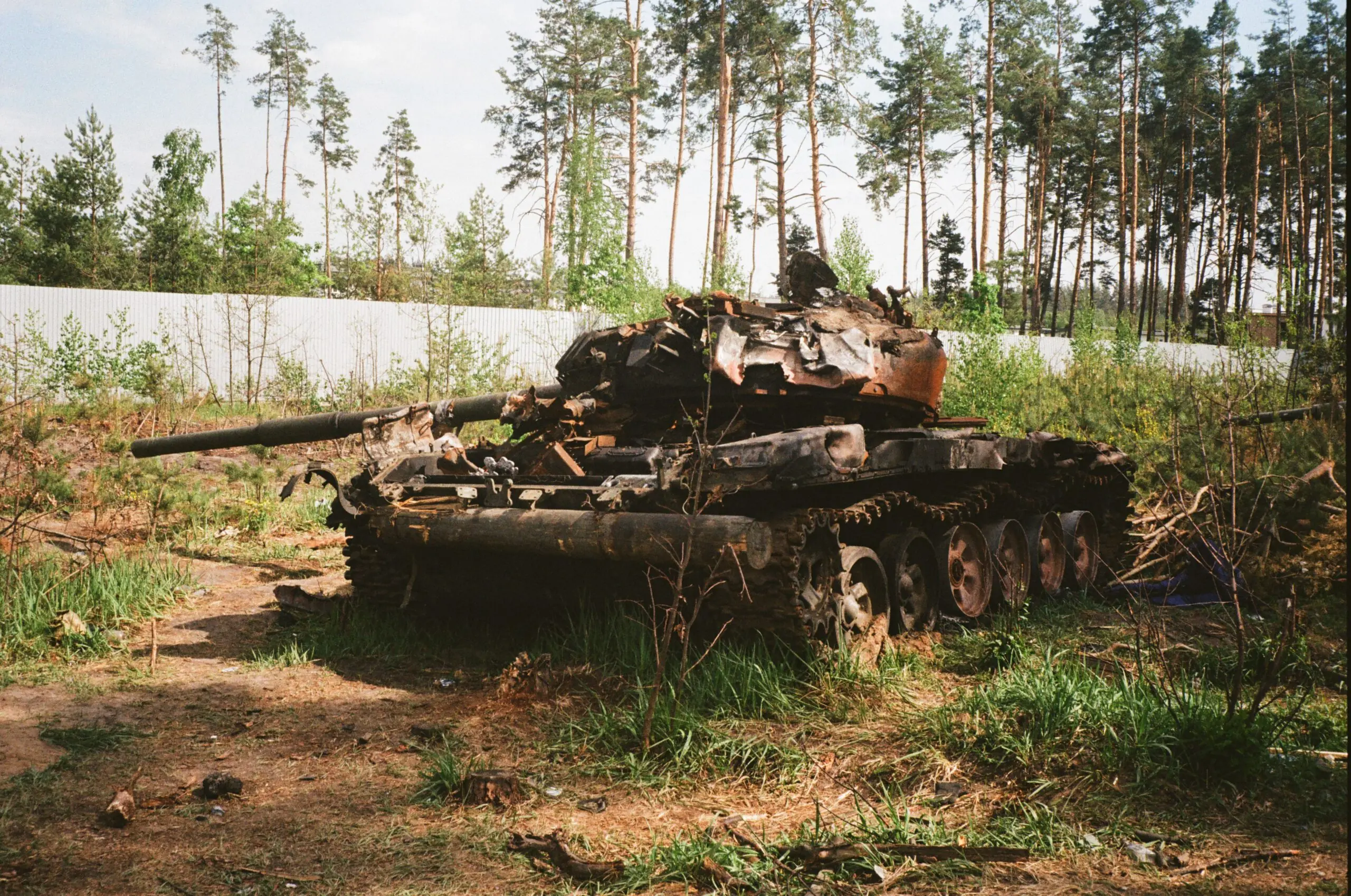
The push for these high-level talks occurs against a backdrop of mounting tensions between the U.S. and Ukraine. Over recent weeks, continued strikes by Moscow on Kyiv’s civilian and energy targets have strained the relationship. A series of moves by the Trump administration in October further raised questions in Kyiv regarding Washington’s reliability as its most important military partner. The juxtaposition of the First Lady’s direct involvement in a local ceasefire and the potential exclusion of Ukraine from a trilateral summit highlights the complex and often conflicting diplomatic strategies currently in play.
For now, the immediate next step is the Thursday gathering at the White House, where Mrs. Trump is scheduled to deliver remarks on the Oleshky ceasefire at 11 a.m. ET. This event will serve as a public test of the local truce’s viability and the willingness of both sides to engage in direct dialogue, even as the larger framework for peace remains contested and the November 10 talks in Abu Dhabi approach.