
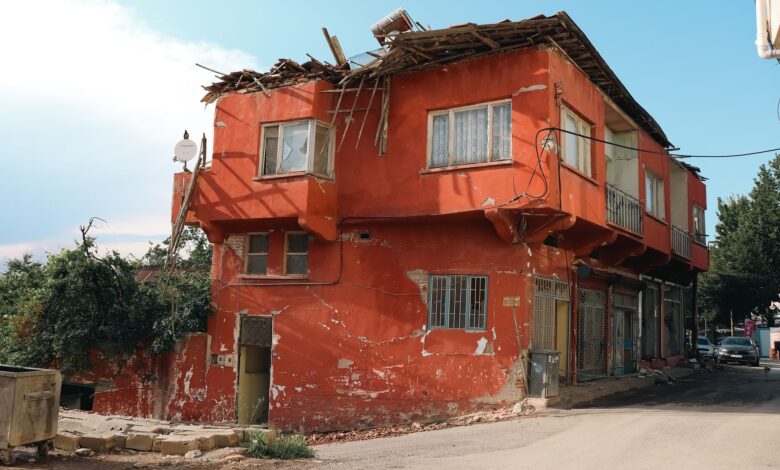
It is critical to distinguish this event from climate-related developments, such as floods, heatwaves, or shifts in biodiversity, which form the core of contemporary environmental journalism. Earthquakes are tectonic in origin, driven by the movement of the Earth’s lithospheric plates, and are not causally linked to anthropogenic climate change. Therefore, while this incident is a significant environmental and safety event, it does not fit the narrative framework of climate attribution or ecological degradation typically associated with warming trends.
The immediate impact of the quake was felt by individuals in the affected area, with health services attending to the 22 reported casualties. In the context of environmental risk management, such seismic events highlight the vulnerability of infrastructure and human settlements to natural geological forces. However, without further data on building collapses, soil liquefaction, or secondary hazards such as landslides or tsunamis, the broader ecological or infrastructural significance remains limited to the immediate human toll and local structural assessment.
From a scientific perspective, a magnitude 5.5 earthquake is considered moderate. It is strong enough to cause noticeable shaking and potential damage to poorly constructed buildings, yet it is generally not powerful enough to cause widespread catastrophic destruction across large populated areas, unless local geological conditions exacerbate the effects. The lack of detailed seismological data in the provided source prevents a deeper analysis of the fault mechanics or the depth of the hypocenter, which are crucial for understanding the energy release and local impact variations.
In the broader context of environmental reporting, this event serves as a reminder that “environmental” risks encompass both climatic and geological dimensions. While the world focuses heavily on carbon emissions and temperature rise, the stability of the ground beneath human settlements remains a persistent challenge, particularly in seismically active zones like Japan. The response to this specific earthquake will likely involve local emergency services and structural engineers assessing safety, rather than international climate policy interventions.
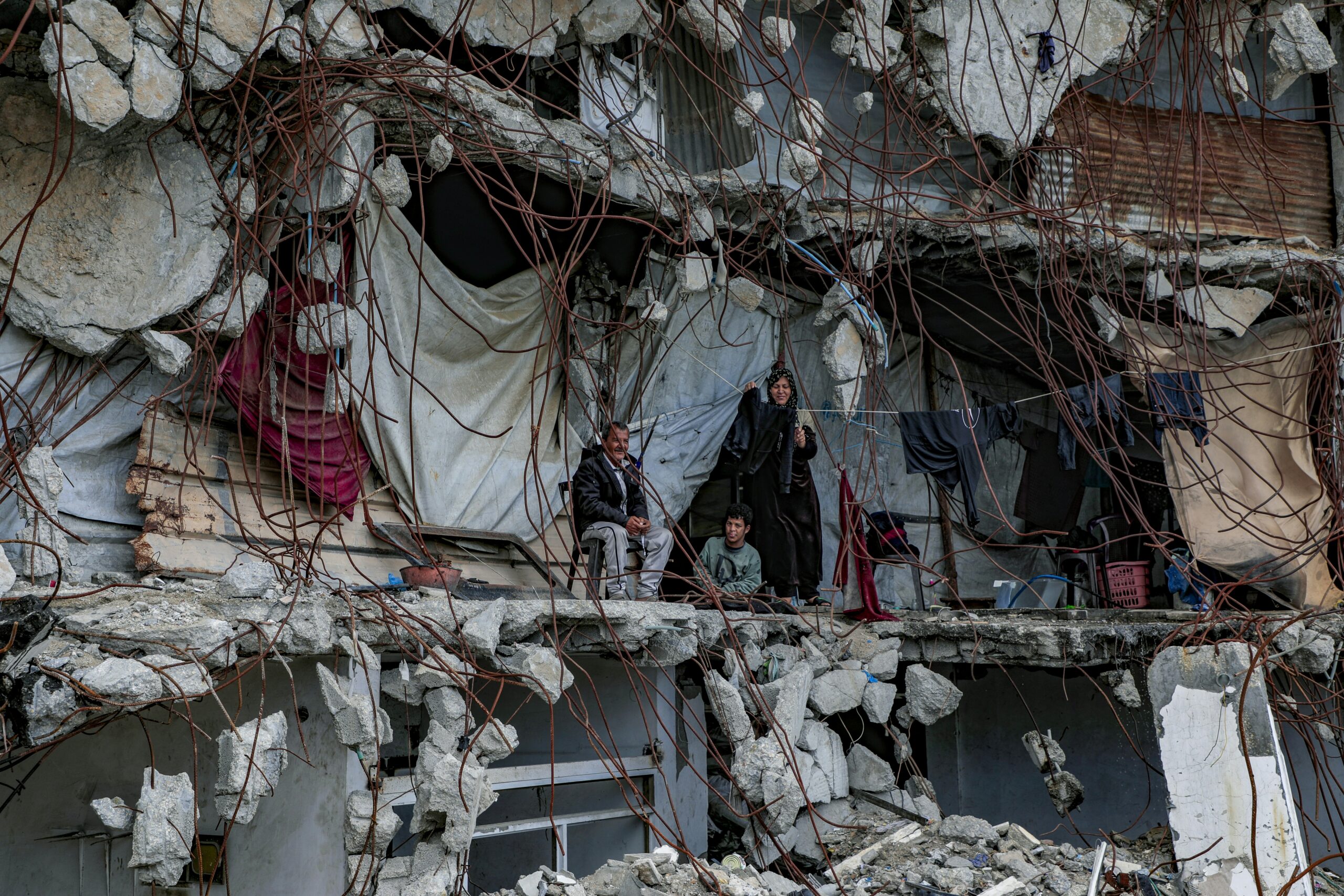
As the immediate shock subsides, attention will turn to the recovery of the injured and the inspection of local infrastructure. The 22 individuals hurt in the event represent the direct human cost of this tectonic shift. Without evidence of environmental damage such as water main breaks, chemical spills, or ecosystem disruption, the story remains a localized emergency response rather than a systemic environmental crisis. The next verified development will depend on official seismological reports and local government assessments of structural integrity in the central region.