
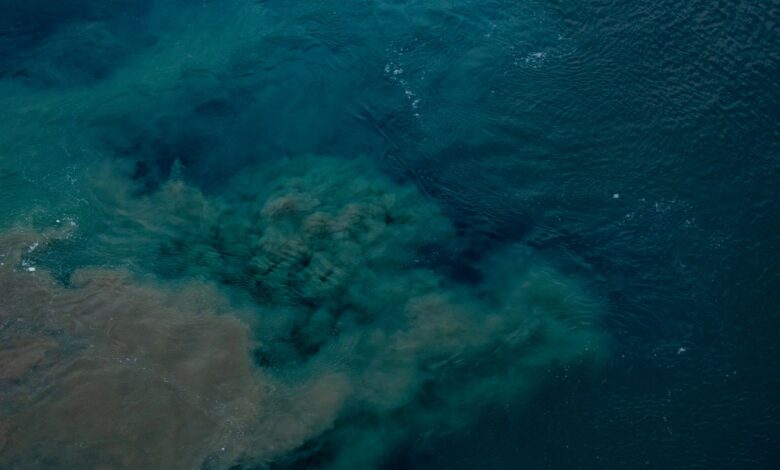
The primary objective of the experiment was to determine whether the Uninhabited Aerial Vehicle Synthetic Aperture Radar (UAVSAR) could distinguish between different types of oil on the water surface. While conventional radar has long been used to detect the presence of oil, it has generally been considered insufficient for determining the specific nature of the spill. Cathleen Jones, a researcher from NASA’s Jet Propulsion Laboratory (JPL) in Pasadena, California, noted that identifying the location of oil is critical, but “it’s not all that’s needed to direct the response.” The distinction between a thin sheen and a thick emulsion is crucial because thick emulsions—mixtures of oil and seawater—persist in the environment much longer than thin sheens. These dense layers are far more likely to reach shore, contaminating coastal and tidal zones and posing a severe threat to marine life.
The scientific basis for this detection relies on the interaction between radar waves and the physical and electrical properties of the sea surface. The phenomenon that allows radar to detect oil is rooted in a principle first described by the Greek philosopher Aristotle 2,500 years ago: oil poured on water smooths the surface. This smoothing reduces the small, bumpy waves that typically generate strong radar backscatter. Consequently, oily areas appear darker in radar imagery compared to the surrounding normal sea surface. However, the Norwegian experiment sought to go beyond mere detection. During observations of the 2010 BP Deepwater Horizon spill in the Gulf of Mexico, JPL scientists discovered that UAVSAR could also detect the electrical conductivity of the slick. Seawater is a good conductor of electricity and reflects radar waves well, whereas oil is a poor conductor. This difference means that the strength of the backscatter signal is related to the thickness of the oil emulsion, allowing for a potential classification of the spill’s severity.
The 2015 exercise provided a controlled environment to validate these findings, a capability that was limited during the Deepwater Horizon investigation. “When we observed the Gulf oil spill, we had only estimates of how much oil was released and of the rate of flow, so we could not fully check UAVSAR’s accuracy,” said Jones. In contrast, the Norwegian drill involved the controlled release of oil emulsions of known, differing thicknesses. This allowed scientists to calibrate the UAVSAR data against ground-truth measurements. The experiment also tested the instrument’s ability to differentiate between petroleum-based oil and plant-based oils, such as those found in algal blooms. Camilla Brekke, an associate professor in the Department of Physics and Technology at the University of Tromsø, highlighted the importance of this distinction, noting that Baltic Sea algal blooms can mimic oil slicks in satellite radar imagery, potentially leading to false alarms or misdirected resources.
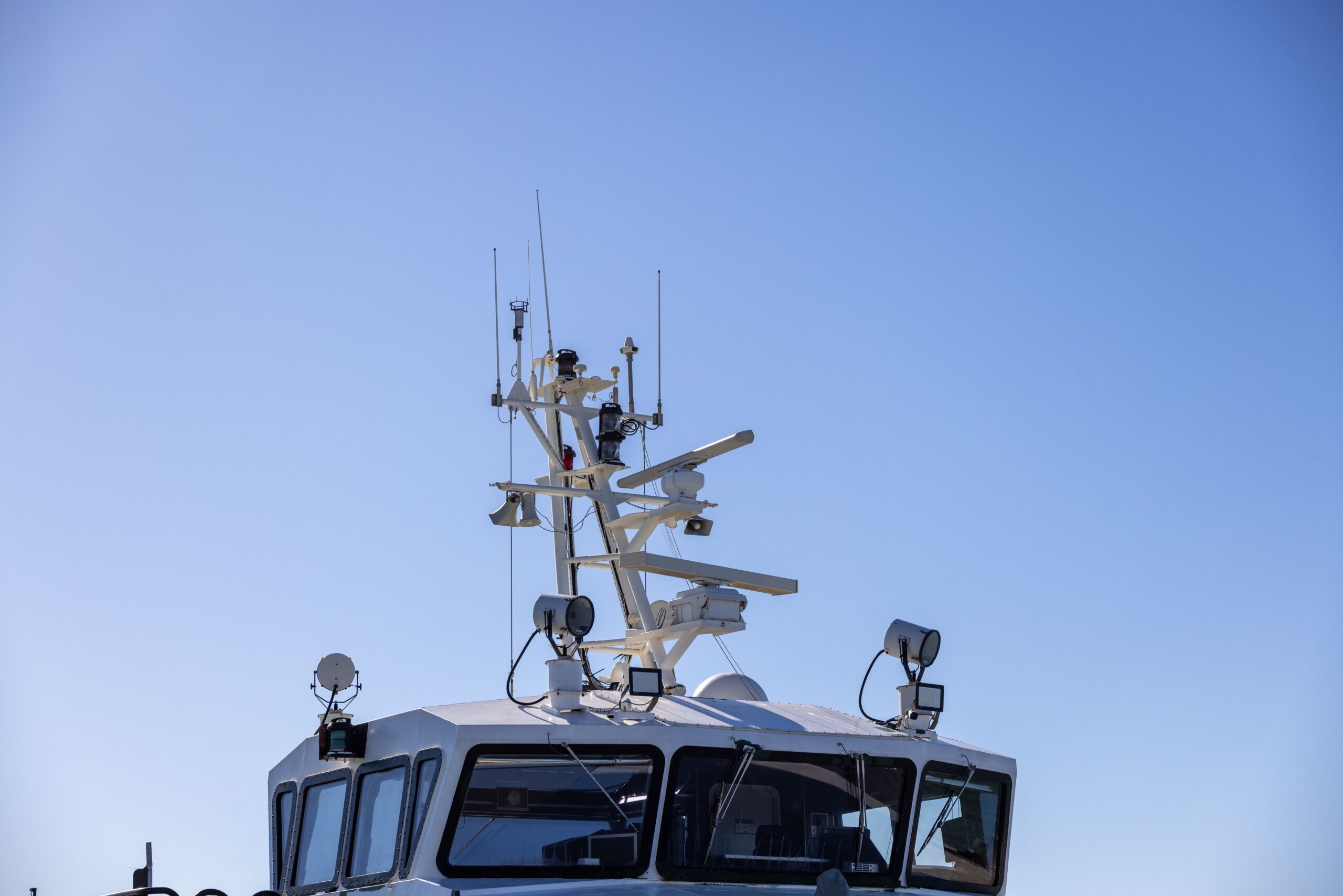
UAVSAR was originally designed to be mounted on uninhabited aerial vehicles (UAVs), though it currently operates in a pod mounted beneath a NASA C-20A piloted research aircraft, a variant of the Gulfstream III business jet based at NASA’s Armstrong Flight Research Center in Palmdale, California. The inclusion of NASA in the drill was facilitated by Brekke, who invited Jones, Ben Holt from JPL, and Brent Minchew from the California Institute of Technology (Caltech) to participate. “This year was special, because we had our own dedicated science experiment in the middle of the training exercise,” Brekke stated.
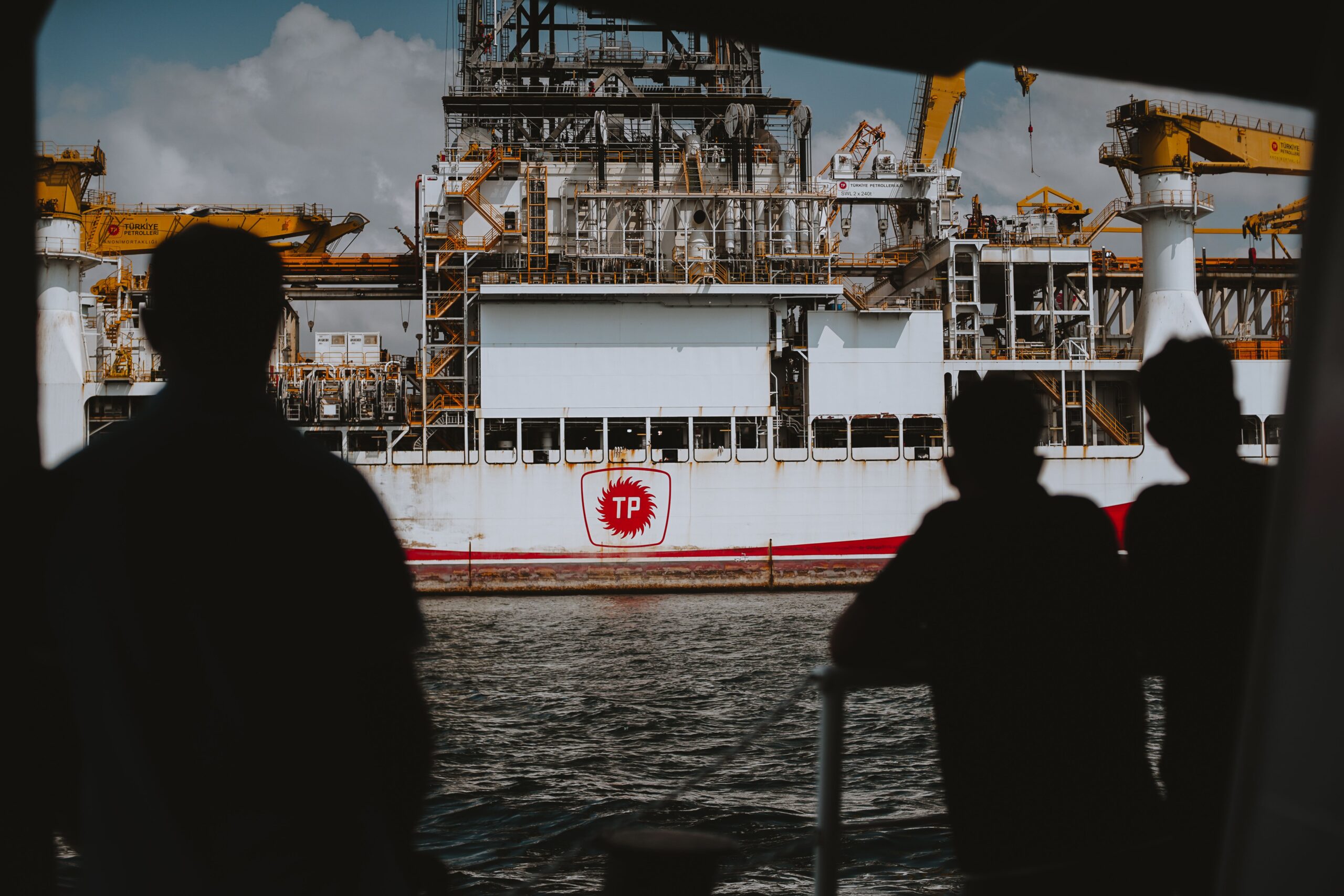
Norway is one of the few nations that permits the actual discharge of oil at sea for the purpose of testing new cleanup technologies and procedures. The “Oil on Water” exercise has been conducted annually since the 1980s, weather and wildlife conditions permitting. Organized by the Norwegian Clean Seas Association for Operating Companies, the drill serves a dual purpose: it provides responders with hands-on experience with existing cleanup techniques and equipment, and it offers a platform for testing innovative technologies. The association also conducts more than 100 other annual drills that do not involve the release of oil, ensuring that personnel and ships remain ready for emergencies.
The significance of this technological development lies in the optimization of cleanup resources. By identifying where high-environmental-impact oil is located, responders can prioritize their efforts, ensuring that limited time and personnel are directed toward the most dangerous areas of the spill. This precision could mitigate the long-term ecological damage associated with oil spills, particularly in sensitive Arctic and North Sea waters. The experiment represents a convergence of academic research, government agency capabilities, and operational readiness, aiming to transform oil spill response from a reactive search for contamination to a proactive management of environmental impact.