Despite the drop in supply costs, the distribution tariff increased by an average of 9.36 per cent, or approximately PLN 28/MWh, compared to 2025 levels. Mroczek stated this rise is driven by necessary capital investments in the expansion and modernisation of transmission and distribution networks, as well as inflation and the transmission tariff of Polskie Sieci Elektroenergetyczne. Consequently, the total household electricity bill, which includes surcharges for cogeneration, capacity, renewable energy sources, and quality, increased on average by approximately 7.6 per cent. For households in the G11 tariff group, which account for nearly 90 per cent of consumers with an average annual consumption of 1.8 MWh, the average monthly bill increase is estimated at around 3 per cent, in line with inflation.
In parallel with the tariff approvals, URE granted a “promise of concession” (*promesa koncesji*) for the Baltica 2 offshore wind farm on 25 February. The project, jointly developed by Polish utility PGE and Danish energy company Ørsted, has a capacity of 1,498 MW. The promise is valid until 12 December 2029 and guarantees the final generation concession once the developer fulfills all formal requirements, including construction completion, grid connection, and environmental compliance. This is the second such promise issued for an offshore wind project in Poland, following the Baltic Power project in April 2025.
Ørsted and PGE took the final investment decision for Baltica 2 in January 2025, moving the project into the construction phase. Located approximately 40 kilometres off the Polish coast near Ustka, the farm will feature 107 Siemens Gamesa 14 MW-222 turbines. Once commissioned in 2027, it is projected to become the largest offshore wind farm in Poland, capable of supplying approximately 2.5 million households. Currently, components are being delivered and seabed preparation is underway, with Boskalis preparing 150 kilometres of inter-array routes for cable installation.
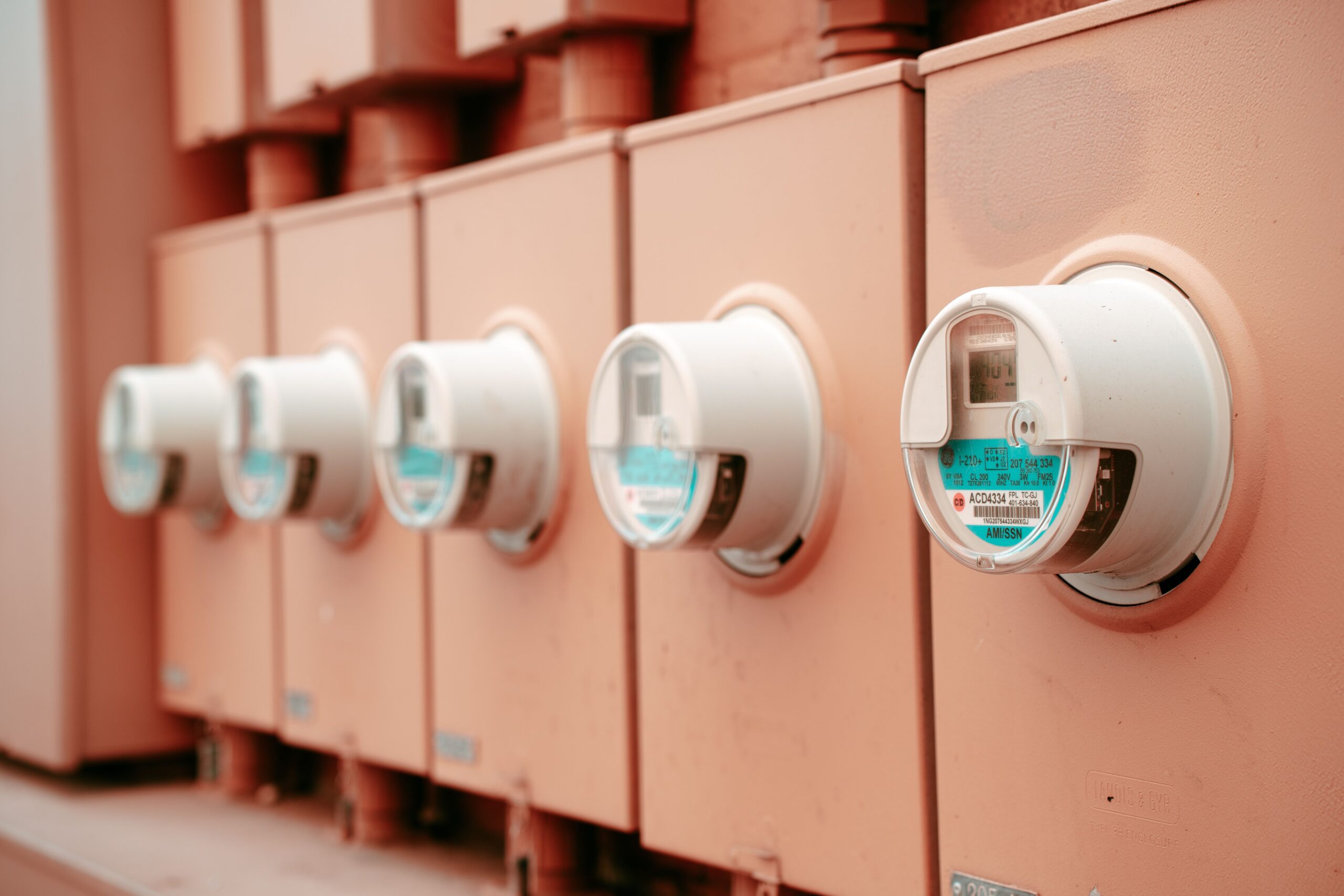
These regulatory actions occur against a backdrop of growing renewable energy integration in Poland. A URE report indicates that the number of renewable energy source (RES) micro-installations exceeded 1.6 million at the end of 2025, with a total installed capacity of almost 13.9 GW. These micro-installations, predominantly solar photovoltaic (99.9 per cent), supplied more than 8.95 TWh of electricity to the grid in 2025. Additionally, the first virtual renewable energy prosumers were registered in 2025, reaching a total of 272 installations with a capacity of 1.734 MW.
The regulatory landscape has also expanded to include support mechanisms for large-scale offshore generation. On 17 December 2025, URE concluded the first auction for the right to cover the negative balance for offshore wind electricity. Three winners were selected from four participants, securing support for a total installed capacity of 3.435 GW. The winners are obligated to feed electricity into the grid for the first time within seven years of the auction’s closure, after which a 25-year support period will commence. The total estimated volume of electricity planned for generation to obtain this support exceeds 330 TWh.
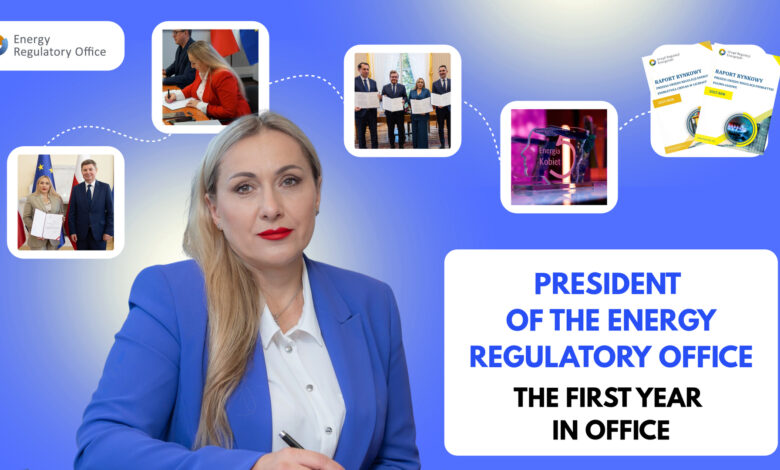
URE’s activities in 2025 and early 2026 also included the launch of the first Regulatory Sandbox, a controlled environment for testing new energy sector initiatives, and the publication of 11 major reports. The regulator continues to engage in expert cooperation with other EU bodies, including the Council of European Energy Regulators, to shape the EU’s single energy market.