The case originated after the IPL 2009 tournament was relocated to South Africa at short notice due to the general elections in India, which rendered domestic hosting impossible. The Enforcement Directorate (ED) subsequently pursued allegations of foreign exchange violations against Modi and other officials. In its recent ruling, the tribunal rejected the central premise of the ED’s argument, determining that the principal foreign remittances associated with staging the tournament constituted current account transactions rather than capital account transactions. This classification effectively overturned the foundational findings of the earlier Enforcement Directorate court rulings from 2009.
Furthermore, the tribunal addressed the issue of individual liability regarding regulatory obligations. The judgment found that Lalit Modi, in his capacity at the time, was neither solely responsible for the BCCI’s statutory compliance with the Foreign Exchange Management Act (FEMA) nor vested with the specific financial authority alleged by the ED. Consequently, the penalties imposed on the appellants in the principal proceedings were set aside.
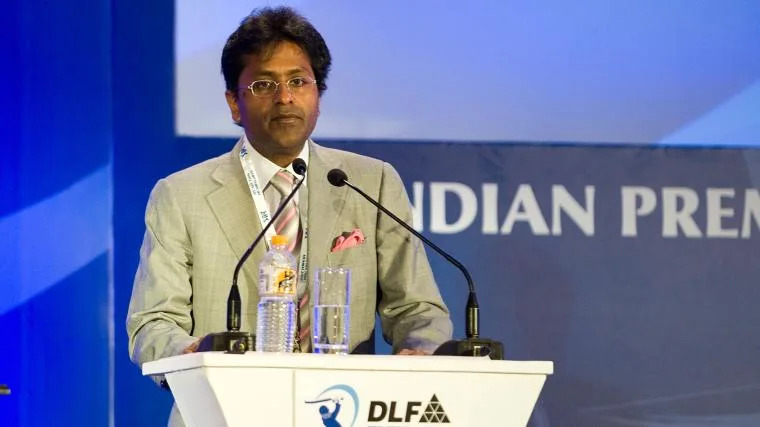
Lalit Modi, who has resided in London since 2010 following his ouster from the BCCI, described the verdict as a decisive victory. In a statement issued from London and shared via video with the news agency ANI, Modi stated that the tribunal had “rejected the central premise on which the Enforcement Directorate’s case against me had been built.” He noted that the ruling confirmed his position that he was concerned solely with the well-being of the IPL. “Sixteen years, I have fought, and whatever I have been saying to the media and to everybody has finally emerged as the truth,” Modi said. “I’m really happy that the tribunal has ruled in my favour.”
The decision allows for a distinction between the initial investigative findings by the ED and the final adjudication by the appellate tribunal. While the ED had alleged breaches and imposed penalties based on the interpretation of the transactions as capital account violations and attributed direct financial authority to Modi, the tribunal’s findings contradict both points. The ruling clarifies the legal characterization of the payments and the scope of the individual’s responsibility within the BCCI’s corporate structure.
Following the judgment, Modi indicated plans to visit India, stating that “that chapter is behind me.” He mentioned an intention to return to India toward the end of this year or early next year, coinciding with the expected birth of his grandson in October. However, Modi clarified that he will continue to reside in London and will visit India periodically. He expressed a desire to see his son established in the family business. “For clarity, I will continue to live in London and visit India as it’s my country from time to time,” he posted on social media.
The legal proceedings involved multiple stages, from the initial ED investigation and principal court rulings to the final appellate tribunal decision. The current procedural stage is post-judgment, with the penalties formally set aside. The ruling serves as a specific legal determination on the facts of the 2009 IPL hosting, potentially closing the FEMA-related legal exposure for the named appellants in this particular matter. No further appeals or immediate formal steps were detailed in the available reports, though the decision stands as a binding adjudication by the SAFEMA tribunal on the specific issues of transaction classification and liability.