The central dispute revolves around whether a diplomatic off-ramp exists for a conflict now in its ninth month. On Tuesday, Mohsen Rezaei, Iran’s security chief, told Lebanon’s Al Mayadeen TV that claims regarding continuing negotiations or a meeting in Qatar were “a pure lie.” Rezaei asserted that Tehran is not engaging in talks but is instead waiting for a response from the United States to a list of seven conditions for peace. According to Rezaei, the US initial response was “insufficient and deceptive,” and the Strait of Hormuz will not reopen until these demands are explicitly met. This stance directly challenges the narrative emerging from Washington, where President Donald Trump indicated he sees “positive momentum” toward ending the conflict.
The divergence in messaging creates a complex diplomatic landscape. Rezaei suggested that Washington is talking up the prospect of negotiations primarily to ease economic pressure and drive down oil prices, rather than to genuinely resolve the hostilities. In contrast, US Secretary of State Marco Rubio, speaking in Paris during a Group of 7 foreign ministers’ meeting, stated that the US is “open to diplomacy.” However, Rubio emphasized that further strikes were unnecessary if the same objectives were being achieved through economic means. “The economic campaign is so devastating that right now there is no need for major combat operations,” Rubio told reporters, a stance he reiterated to allies in the French capital.
Iran’s Foreign Minister Abbas Araghchi reinforced the hardline position, stating that the conflict could not be resolved through military means or intensified sanctions. “The only solution is to adopt a language of respect, engage in diplomacy, and address Iran’s demands and conditions,” Araghchi told the state news agency IRNA. While the full list of seven conditions has not been released, Rezaei and Araghchi have indicated it includes the lifting of sanctions, the end of the US naval blockade, and a cessation of fighting on all fronts, specifically highlighting Israel’s attacks on Lebanon. Araghchi added that the Strait of Hormuz could be reopened within two days if these demands were met, suggesting that the closure is a deliberate lever of negotiation rather than a permanent strategic shift, though its current enforcement remains absolute.
The economic ramifications of this standoff are already severe. The war has roiled global markets and disrupted oil and gas supplies, pushing prices up worldwide. In Paris, where mediators are attempting to coordinate a response, Qatar’s Prime Minister Sheikh Mohammed bin Abdulrahman bin Jassim Al Thani held talks with US President Trump at the White House on Monday, followed by meetings in France with the Saudi foreign minister and four top European diplomats. The French Foreign Ministry confirmed that these discussions would focus on the Iran crisis and its security and economic fallout. Qatar’s role as a key mediator is pivotal, yet Rezaei’s dismissal of any “meeting in Qatar” complicates the diplomatic track significantly, suggesting that Tehran views the current economic pressure as a tactic to force capitulation on price controls rather than a path to peace.
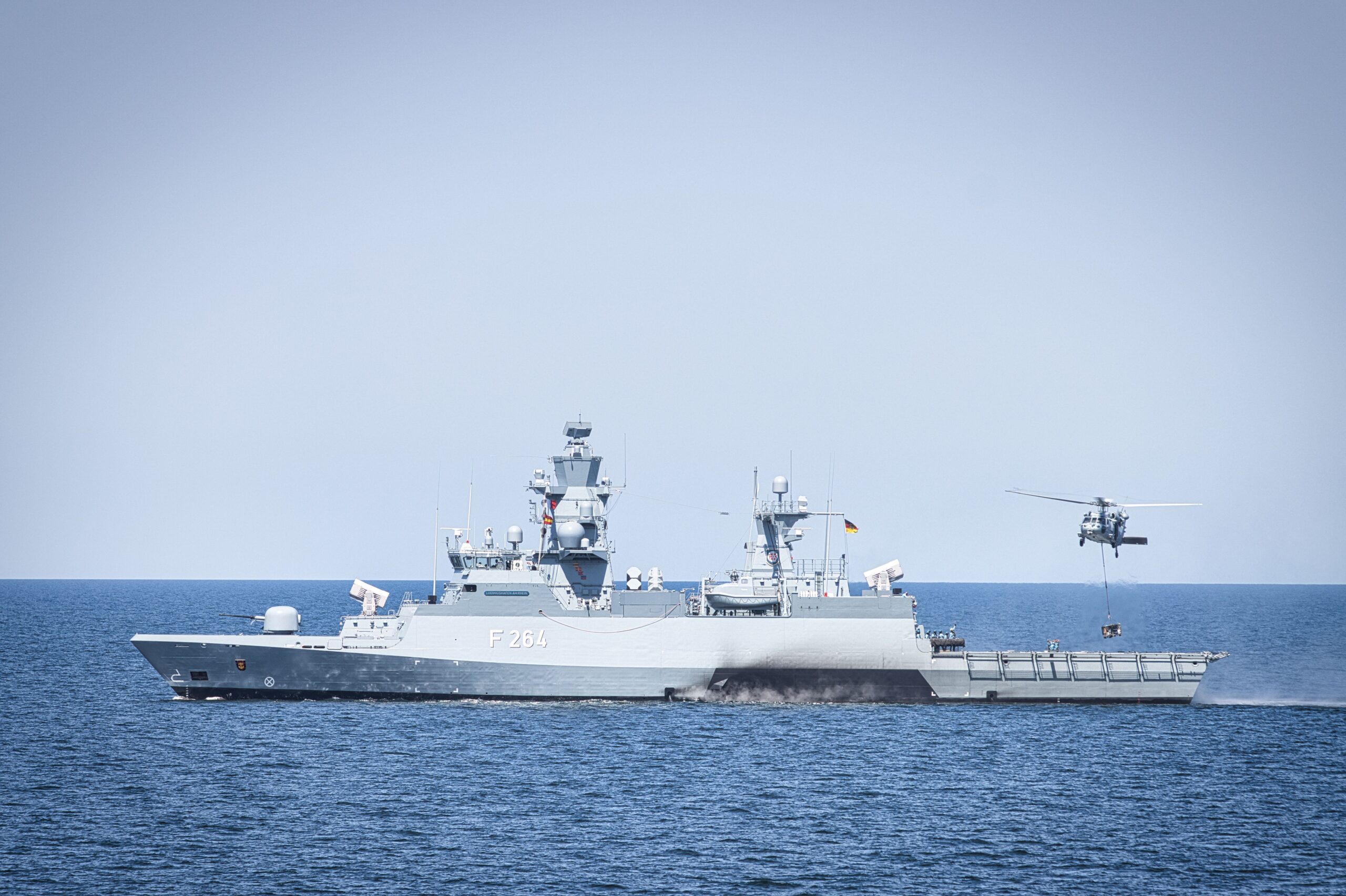
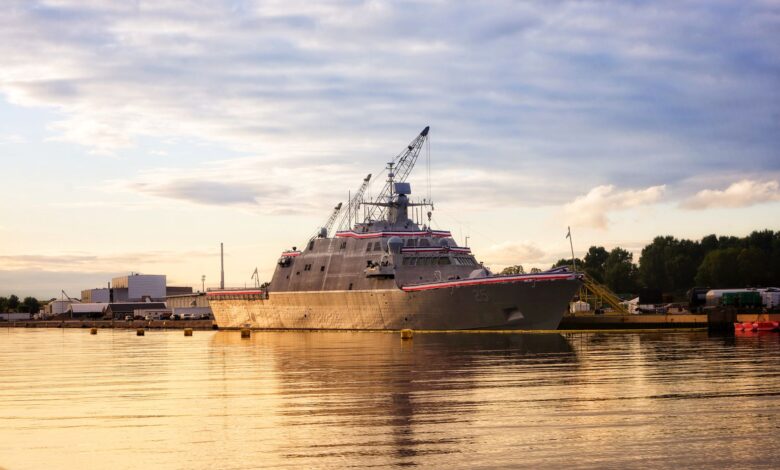
On the water, the risk to commercial shipping has heightened dramatically. The UK Maritime Trade Operations (UKMTO) agency reported receiving information on incidents involving two tankers in the region, with one struck by an unknown projectile northeast of Oman’s Lima village. These events follow a trend of increasing aggression; maritime monitoring firms have reported at least 37 attacks on ships in and near the Strait of Hormuz in November, the highest monthly total since the start of the war. The IRGC’s claim that the tankers hit mines on an “unauthorised route” adds a layer of operational complexity, implying that safe passage is now contingent on strict adherence to Iran’s designated corridors, further tightening Iran’s control over this vital artery.
The situation presents a stark choice for the international community. The US believes that economic devastation is forcing Iran to the table, a view supported by Rubio’s comments in Paris. Iran, however, maintains that the US is stalling with rhetoric while failing to meet the specific, non-negotiable demands required for a peace deal. With the strait effectively closed and ship attacks reaching record levels, the gap between these two assessments—economic coercion versus diplomatic rejection—remains unresolved. The next move will likely depend on whether Washington issues the “explicit and clear response” Rezaei says it is awaiting, or if the economic pressure continues to escalate without a corresponding shift in policy.
In the end, the focus returns to the burning tankers in the Strait and the silence from Tehran regarding formal talks. As long as the seven conditions remain unmet and the strait remains shut, the global energy market will continue to absorb the shock of this prolonged standoff, with no immediate indication that the “positive momentum” cited by US leaders will translate into a de-escalation on the water.