
However, the immediate crisis facing the archipelago stems from Tropical Storm Penha, which slammed ashore onto the southeastern province of Surigao del Sur from the Pacific late Thursday. The storm’s impact was severe and immediate, leaving at least eight people dead and displacing more than 28,000 residents. According to the Office of Civil Defense, the storm set off catastrophic flooding and a landslide in the southern Philippines, trapping residents in isolated villages and disrupting life across multiple provinces.
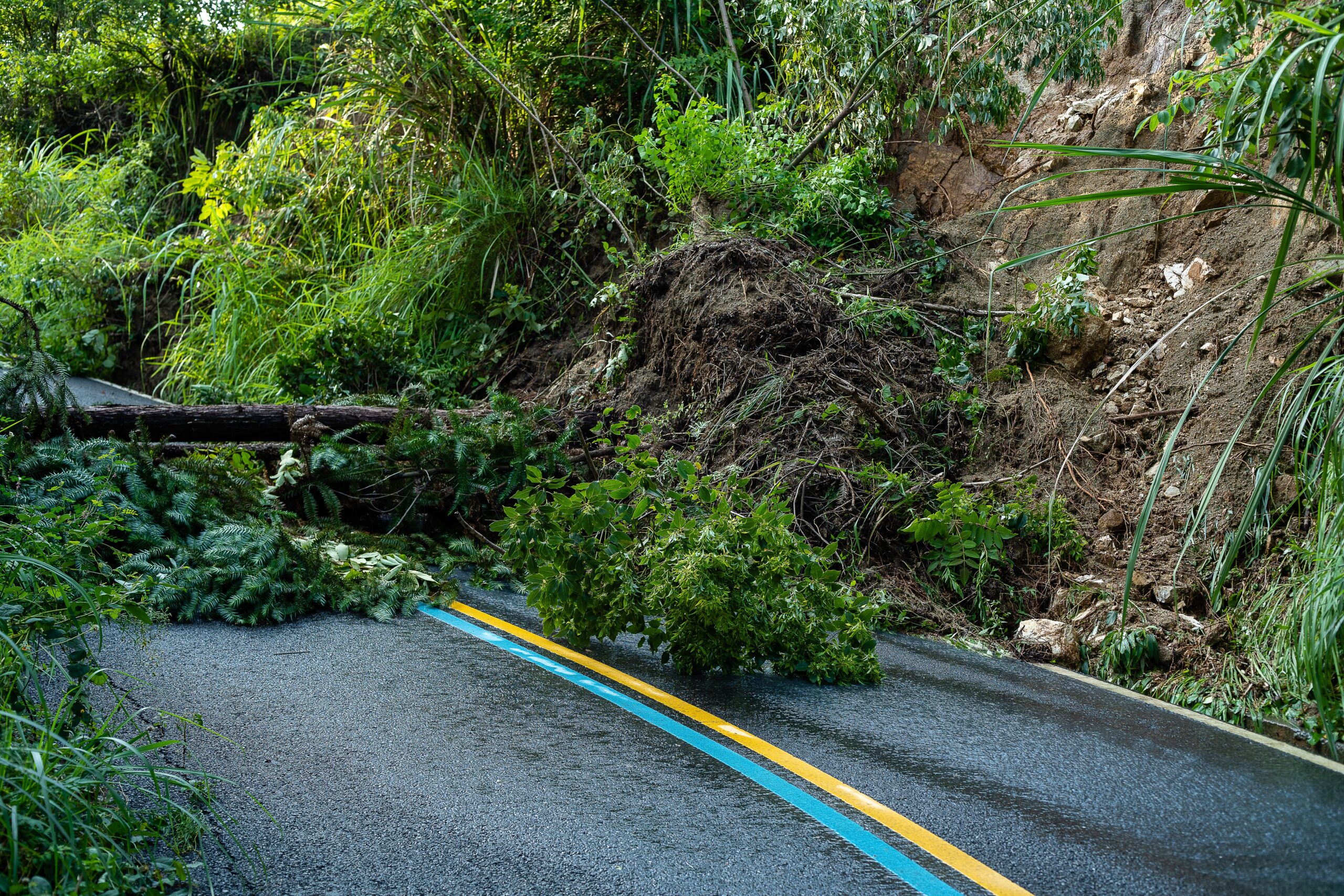
The human toll began with a tragedy in southern Cagayan de Oro city, where torrential rains triggered a landslide in a quarry area. Office of Civil Defense regional director Antonio Sugarol confirmed that a couple and their two children died Thursday night when their shanty was struck by the debris. The storm’s reach extended further south and west, claiming three additional lives through drowning in the floodwaters of southern Iligan city and one in Carmen town, Agusan del Norte province. These deaths illustrate the dual threat posed by the storm: the mechanical force of landslides in hilly terrain and the overwhelming volume of water in low-lying areas.
As of Friday, the storm had weakened into a tropical depression, last tracked off the central province of Cebu with sustained winds of up to 55 kilometers (34 miles) per hour and gusts reaching 75 kph (47 mph). Despite its weakening status, Penha, locally named Basyang, maintained a massive 660-kilometer- (410-mile-) wide rain and wind band. Government forecaster Robert Badrina noted that the storm hit ahead of summer, a period when the least number of storms typically lash the Philippine archipelago, making the severity of the rainfall and its resulting damage particularly notable.
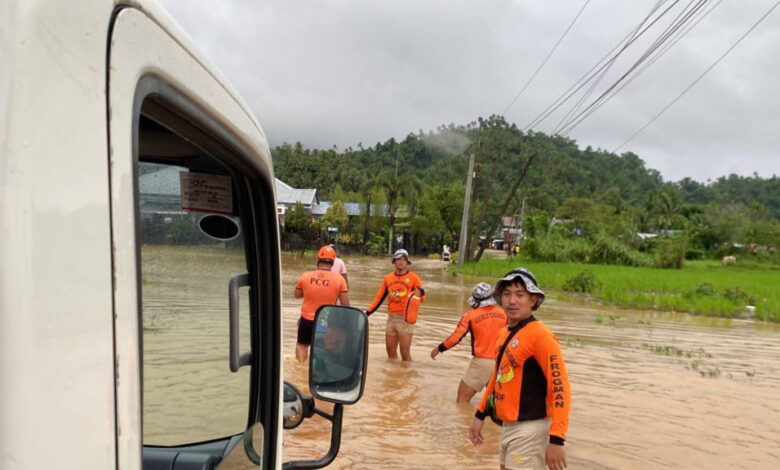
The displacement crisis has strained local infrastructure. More than 28,000 villagers were forced to evacuate to emergency shelters in southern and central provinces. In Iligan city, located more than 80 kilometers (48 miles) southwest of Cagayan de Oro, the flooding was so severe that residents were trapped in their homes. One resident contacted the DZMM radio network on Friday morning to plead for rescue, describing how floodwater had risen to trap her family and three others on the second floor of her house. Sugarol responded to the plea via the radio, assuring the resident that rescuers were en route and that other families were being evacuated from the villages of Mahayahay and Tubod in Iligan city. Philippine Coast Guard handouts showed rescuers wading along flooded streets in Surigao city, attempting to locate trapped residents in the aftermath of the storm’s initial impact.
The storm’s effects extended beyond land, significantly disrupting maritime logistics. The Philippine Coast Guard reported that more than 7,400 passengers and cargo workers were stranded in 78 seaports. Interisland passenger ferries and cargo ships were temporarily prohibited from venturing into the rough seas, isolating communities that rely on maritime transport for food, fuel, and communication. On land, the Office of Civil Defense announced that classes were suspended in many areas to ensure the safety of students and staff.
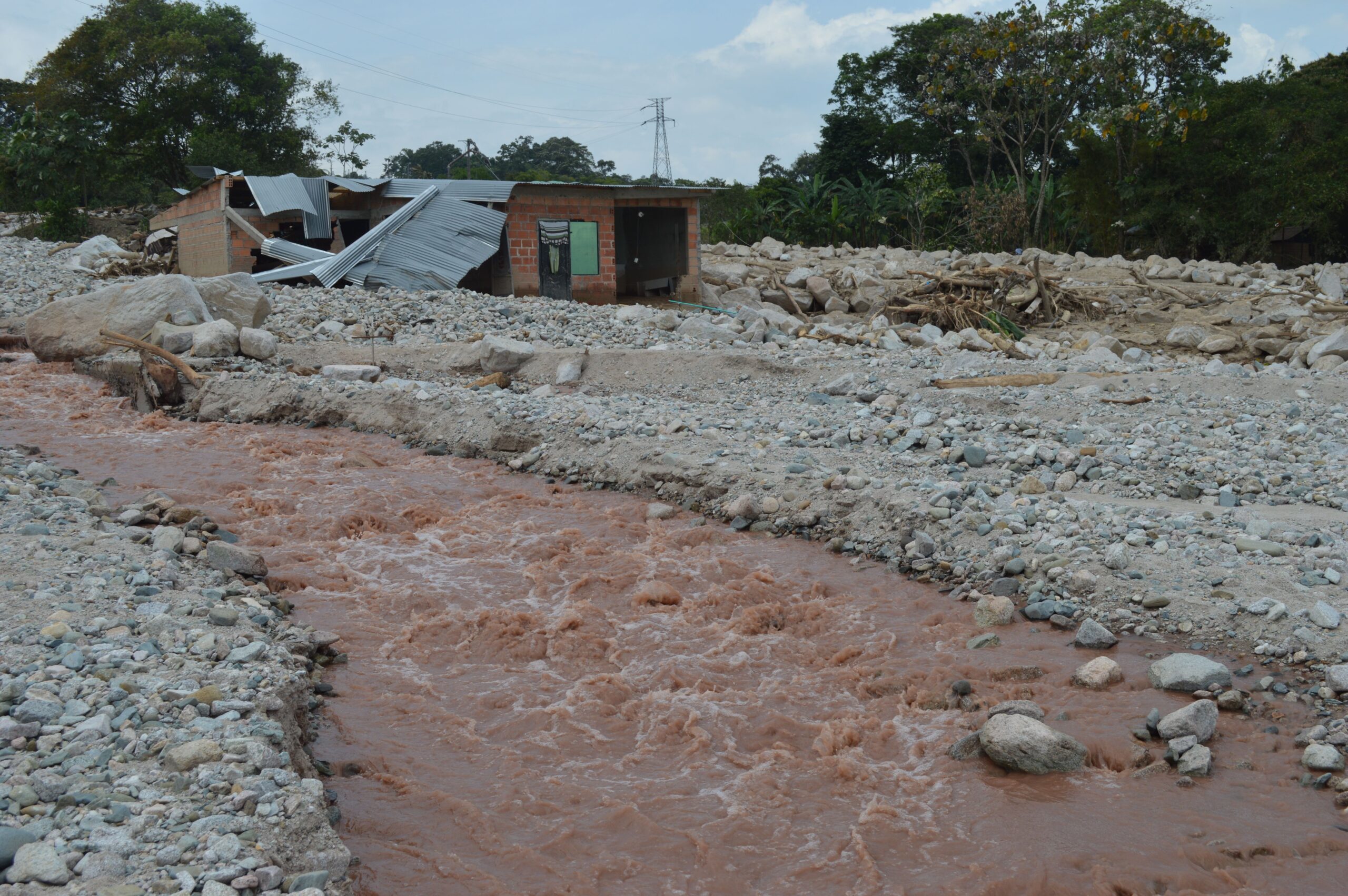
The Philippines’ vulnerability to such events is structural and geographic. With its archipelagic nature and position within the Pacific typhoon belt, the country faces a constant barrage of extreme weather. The current event, while occurring during a historically quieter season for storms, demonstrates that climatic variability can produce significant impact even outside peak periods. The combination of a wide rain band and the topography of the southern provinces created ideal conditions for both flash flooding and slope instability.
As Penha continued to blow northwestward across central island provinces, government forecasters predicted it would further weaken. However, the immediate challenge for authorities shifted from tracking the storm’s path to managing the aftermath. The focus remained on clearing debris, providing medical aid to the injured, and ensuring that the 28,000 displaced individuals had access to clean water, food, and safe shelter. The incident serves as a stark reminder of the resilience required of a nation that sits at the crossroads of some of the world’s most powerful natural forces.